


Airbus has issued fresh warnings to airline customers that delivery schedules for both the A350 widebody and the A320neo family will slip further, with delays now projected to extend well into 2030. The European manufacturer cited persistent supply chain pressures, engine availability shortfalls, and ongoing production ramp-up challenges as the primary drivers behind the revised timelines, compounding disruptions that have already plagued its order book for several years.
The A350 program has been particularly hard hit, with Airbus struggling to accelerate output toward its target production rate amid shortages of key components and systems. Airlines that had anticipated taking delivery of new A350 frames in the near term are being told to expect further pushbacks, a situation that forces carriers to make costly decisions around fleet planning, wet leases, and capacity management on long-haul routes.
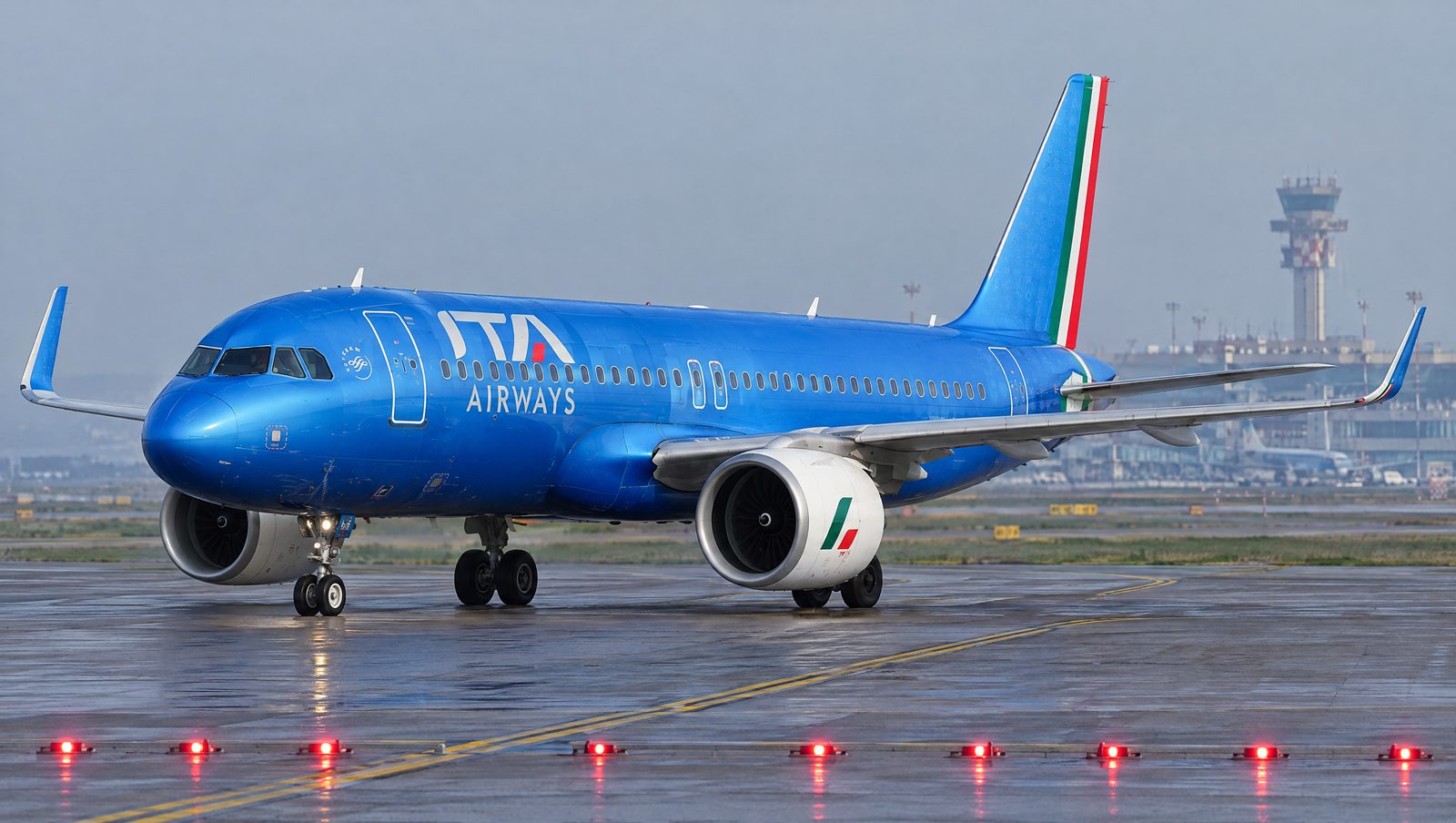
The A320neo family faces similar headwinds, largely tied to CFM International LEAP and Pratt & Whitney GTF engine supply constraints. The GTF engine program in particular has endured a prolonged saga of accelerated inspection requirements and shop visit backlogs that have pulled aircraft out of service and delayed green deliveries from Airbus's final assembly lines in Toulouse, Hamburg, Tianjin, and Mobile, Alabama.
For airlines, the cascading delays carry tangible financial consequences — deferred revenue, extended use of aging fleets, and in some cases contractual penalties. Lessors and investors are also watching closely, as prolonged delivery uncertainty affects asset valuations and lease placement strategies across the industry.
Airbus has maintained that it remains committed to its long-term production targets, but the latest guidance makes clear that the path to normalisation remains uneven and the pressure on the global aviation supply chain shows little sign of easing before the end of the decade.
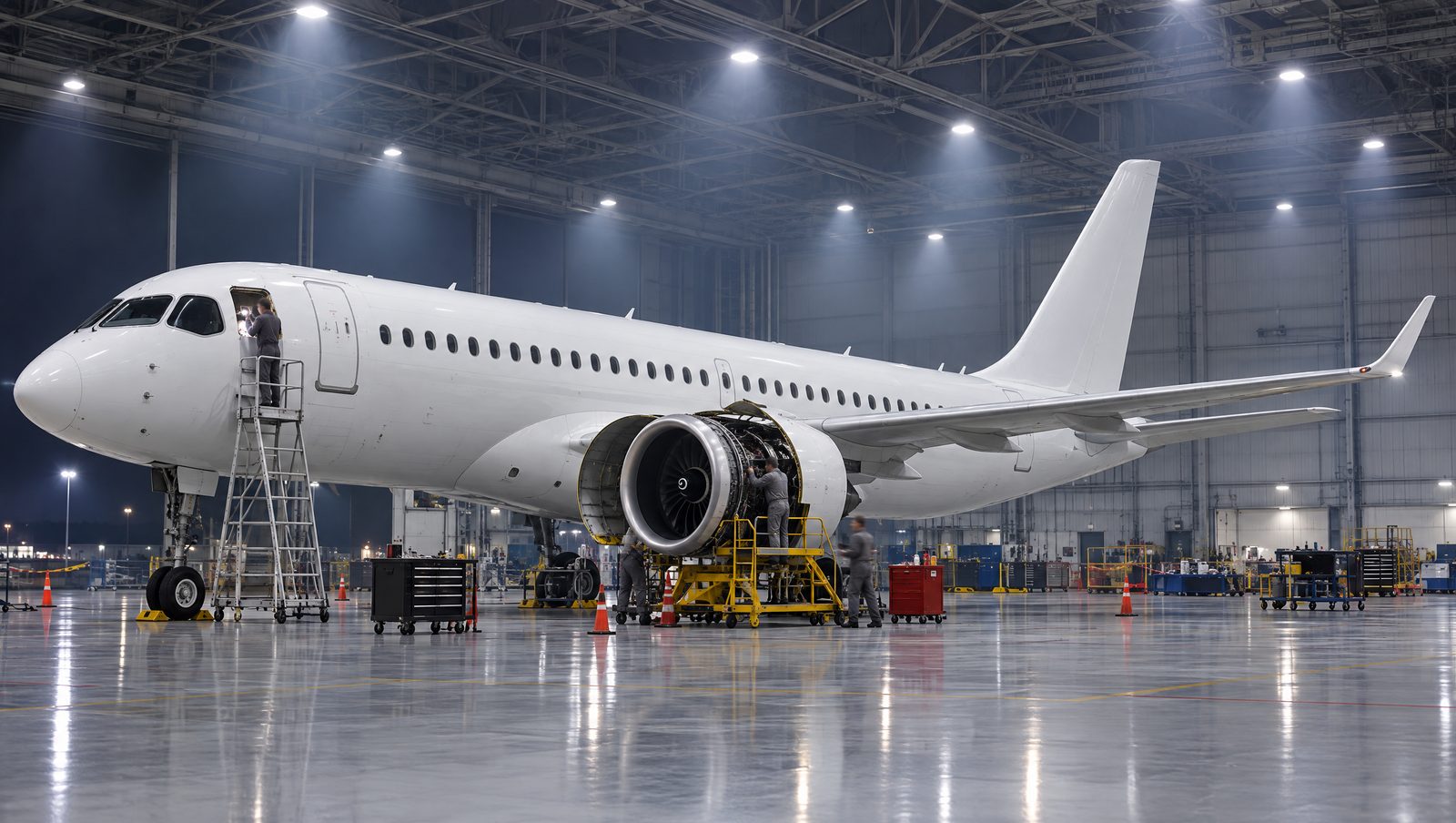
Compiled from publicly available aviation news sources. Featured image: AI-generated by AviationShop. This article is original editorial content; facts have been verified across multiple public sources.











Comments
Loading comments…