


Alaska Airlines has elevated Chief Financial Officer Shane Tackett to President, expanding his responsibilities to include oversight of the airline's commercial organization. The promotion marks a significant leadership shift as the carrier continues to accelerate its integration of Hawaiian Airlines, the carrier it acquired in a transformative merger that reshaped the competitive landscape of Pacific-region aviation.
Tackett's expanded role reflects Alaska Airlines' strategic focus on consolidating operational and commercial functions during a critical phase of the Hawaiian integration. As CFO, Tackett demonstrated financial acumen and operational oversight capabilities that the airline's leadership deemed essential as it manages the complexities of merging two substantial carriers with distinct brand identities, route networks, and organizational cultures. His transition to President underscores the airline's commitment to unified decision-making at the highest levels of the commercial and financial sides of the business.
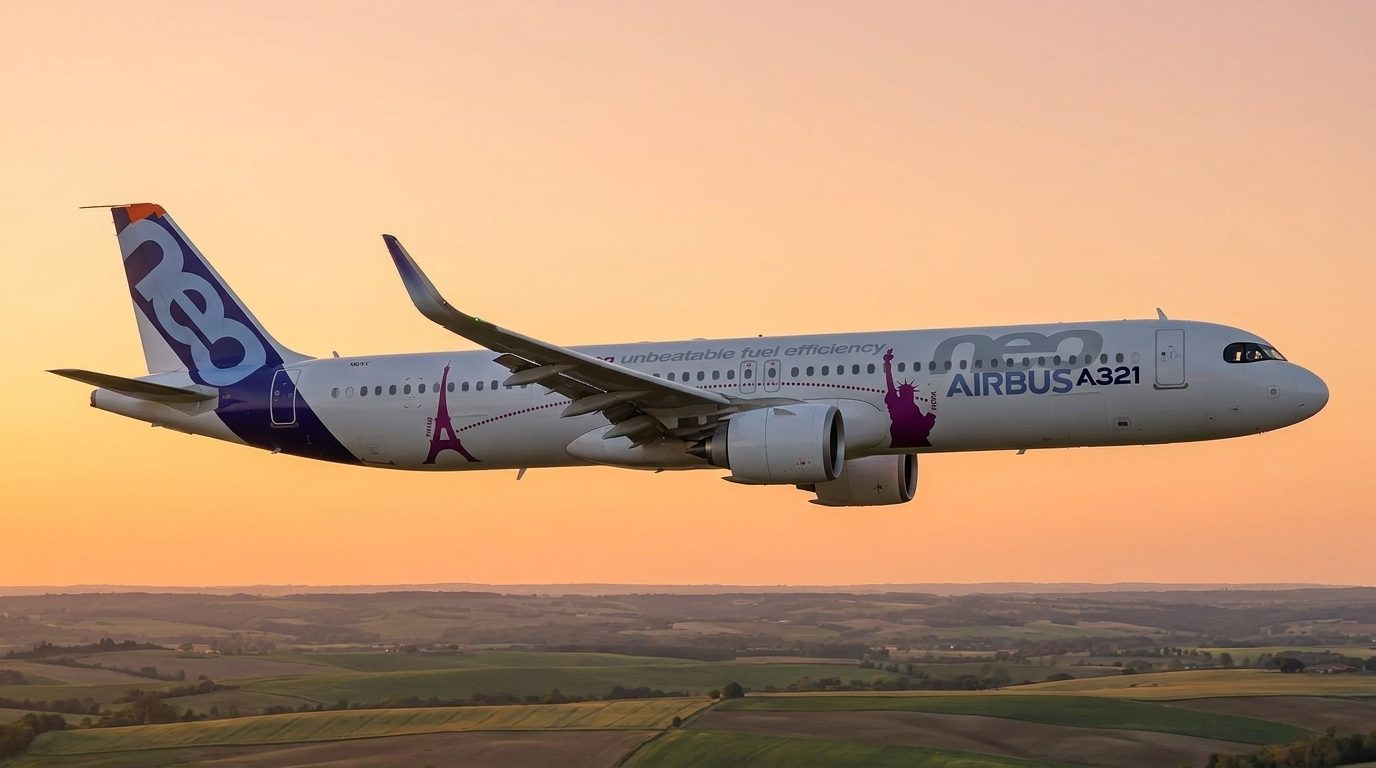
The timing of this promotion coincides with Alaska Airlines' broader integration roadmap for Hawaiian Airlines. The merger, announced previously, represents one of the industry's most significant recent consolidations, combining Alaska Airlines' West Coast strength with Hawaiian's dominant position in interisland and transpacific markets. The integration involves aligning fleet operations, route planning, loyalty programs, and customer-facing systems—a multifaceted undertaking that requires seamless coordination between financial planning and commercial strategy. Hawaiian Airlines' fleet, which includes Boeing 717 and Airbus A321neo aircraft, will be systematically integrated into Alaska's operational framework under a single operating certificate as part of the long-term consolidation plan.
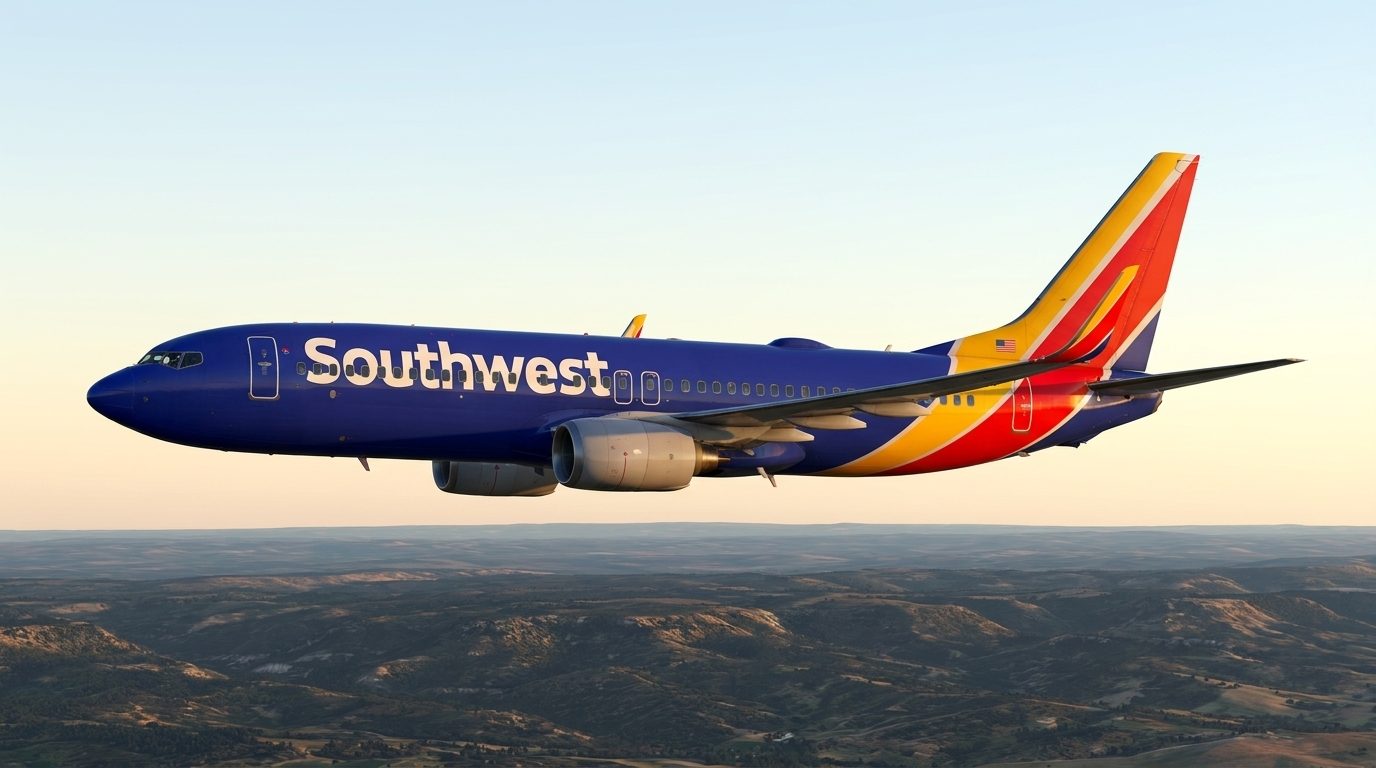
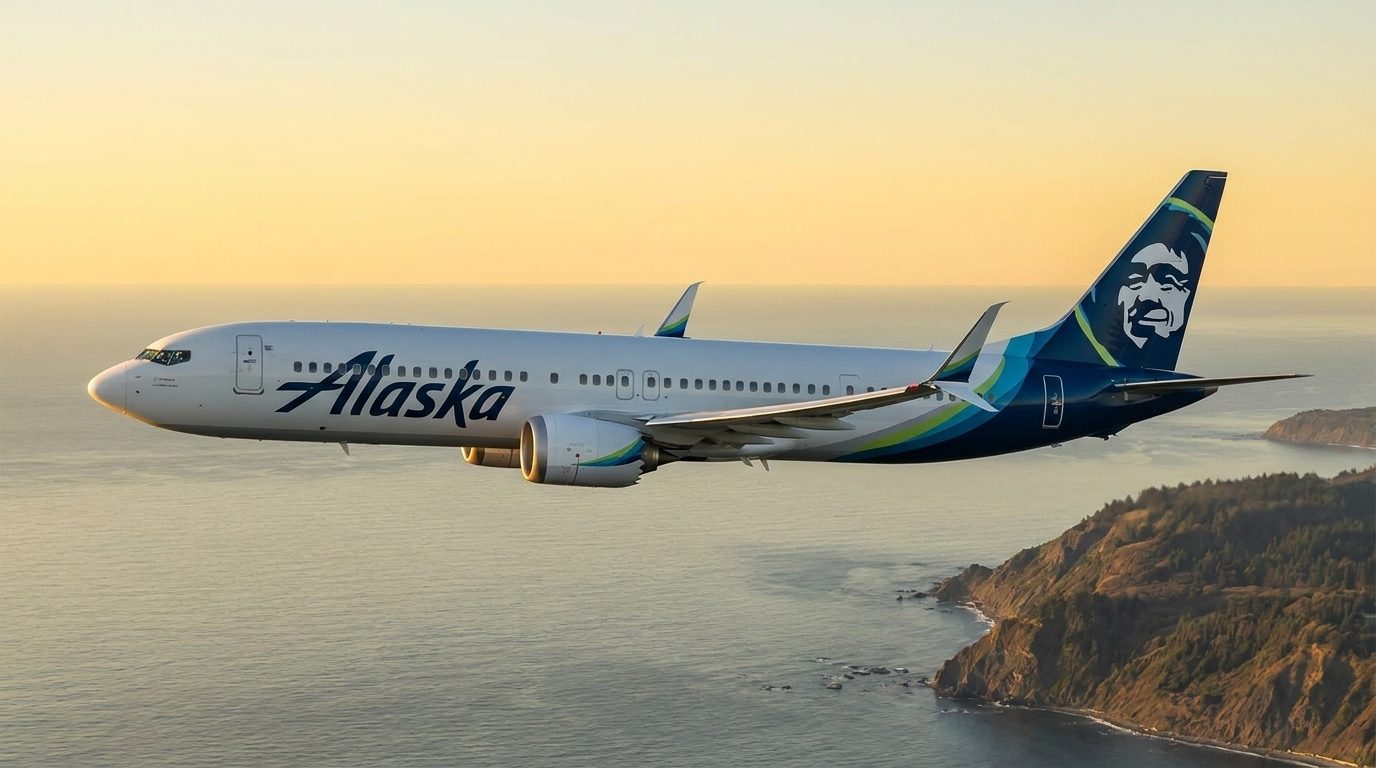
For Alaska Airlines, which operates a significant fleet of Boeing 737 aircraft across its route network, the integration presents both operational and commercial opportunities. The 737 fleet has been the workhorse of Alaska's domestic and regional service, and optimizing capacity and routing across the merged entity will be central to maximizing synergies and efficiency gains. The commercial organization Tackett now oversees will determine route profitability, pricing strategy, and competitive positioning as the airline integrates Hawaiian's network into its own, particularly in key markets like Honolulu, where Hawaiian held commanding market share.
The integration of Hawaiian Airlines also carries significant implications for the Pacific aviation ecosystem. Alaska Airlines becomes better positioned to compete with larger carriers on long-haul transpacific routes and strengthens its presence in leisure and interisland markets where Hawaiian had established brand loyalty and operational expertise. Tackett's dual expertise in financial management and now commercial operations positions him to evaluate which routes offer the highest yield potential, how to optimize fleet deployment across the expanded network, and how to generate shareholder value during a period of elevated integration costs and operational complexity.
Industry observers will be watching how the new leadership structure accelerates or impacts key integration milestones. The promotion suggests confidence in Tackett's ability to balance cost discipline—a CFO's traditional priority—with revenue maximization and competitive strategy, which fall under commercial purview. In the months ahead, decisions about brand unification, frequent flyer program integration, and fleet rationalization will test whether this consolidated leadership approach delivers the efficiency and growth the airline envisions from the Hawaiian merger.
Sources: AeroTime, Alaska Airlines. Featured image: AI-generated by AviationShop. By Marco Bianchi.





Comments
Loading comments…