


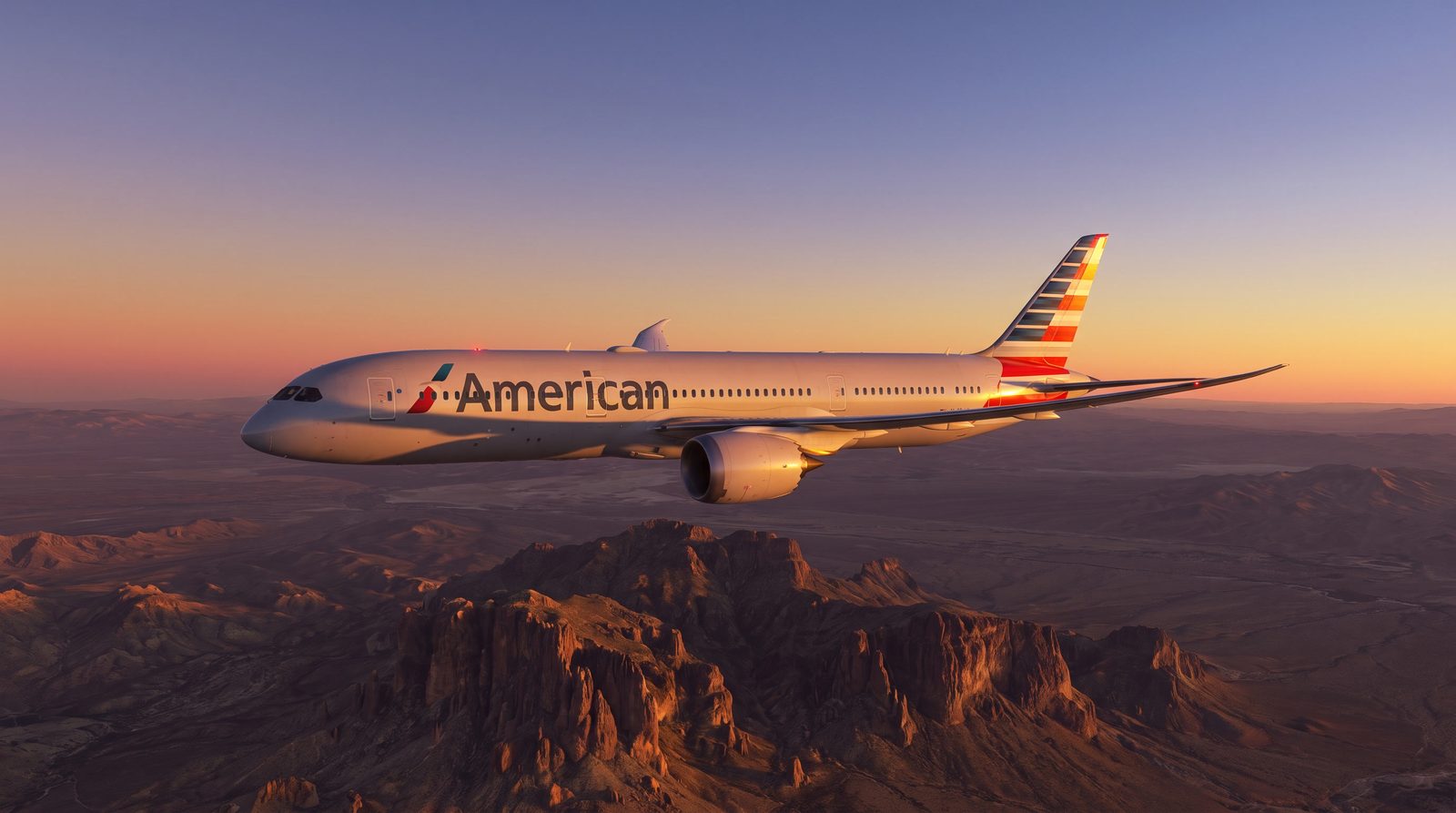
American Airlines will be the anchor carrier for Phoenix Sky Harbor’s planned West Terminal, the airport’s first all-new passenger terminal since Terminal 4 opened in 1990, Simple Flying reported on 21 September 2026 citing Phoenix Aviation Department briefings. The roughly $4.5 billion project is meant to add gates for domestic and international growth at an airport where Terminals 3 and 4 are already considered built out.
American already dominates Phoenix. The carrier holds more than 40% of Sky Harbor passengers, moves more than 20 million customers a year through the hub, and schedules more than 300 peak daily departures to more than 100 destinations. Selecting American as the primary airline for the West Terminal extends a city relationship that dates to 1930 predecessor service and to the region’s first scheduled jet flights on the Boeing 707 in 1963.
CEO Robert Isom framed the decision as continued network investment in Arizona, where American employs about 8,000 people. Phoenix officials said the choice followed months of analysis on operations, community needs, and financing. Full airline assignments inside the new building are not final, but American’s anchor role is intended to steer widebody-capable international gates and premium facilities toward the carrier’s growth plans.
Geography on the airfield matters. The West Terminal will sit on the western side of Sky Harbor between Terminal 3 and Taxiway U, on land formerly occupied by demolished Terminals 1 and 2. Parallel airfield work includes Taxiway U upgrades and a new six-gate north concourse on Terminal 3 designed to add capacity before the West Terminal opens.
Passengers should not expect a ribbon-cutting soon. Phoenix is in a 2026 collaborative planning phase, aims to procure a design team in 2027, and sees a possible construction start in late 2029 with a notional late-2033 opening. Gate counts and concourse modules will be sized to 2033 demand forecasts, with a modular layout that can add concourses later.
Funding is planned from passenger facility charges, bonds, and airport revenue rather than local tax dollars. Meanwhile Sky Harbor intends to keep pouring capital into Terminal 4, which still handles more than 75% of passengers, so the West Terminal is an expansion layer rather than a wholesale replacement of today’s American complex.
For the network, an American-led West Terminal is about room to grow international and premium flying that Terminal 4 cannot absorb indefinitely. Phoenix already connects Arizona with North America, Hawaii, and Europe; a purpose-built western facility with widebody-friendly gates gives American a long-dated path to denser long-haul banks without choking existing domestic turns.
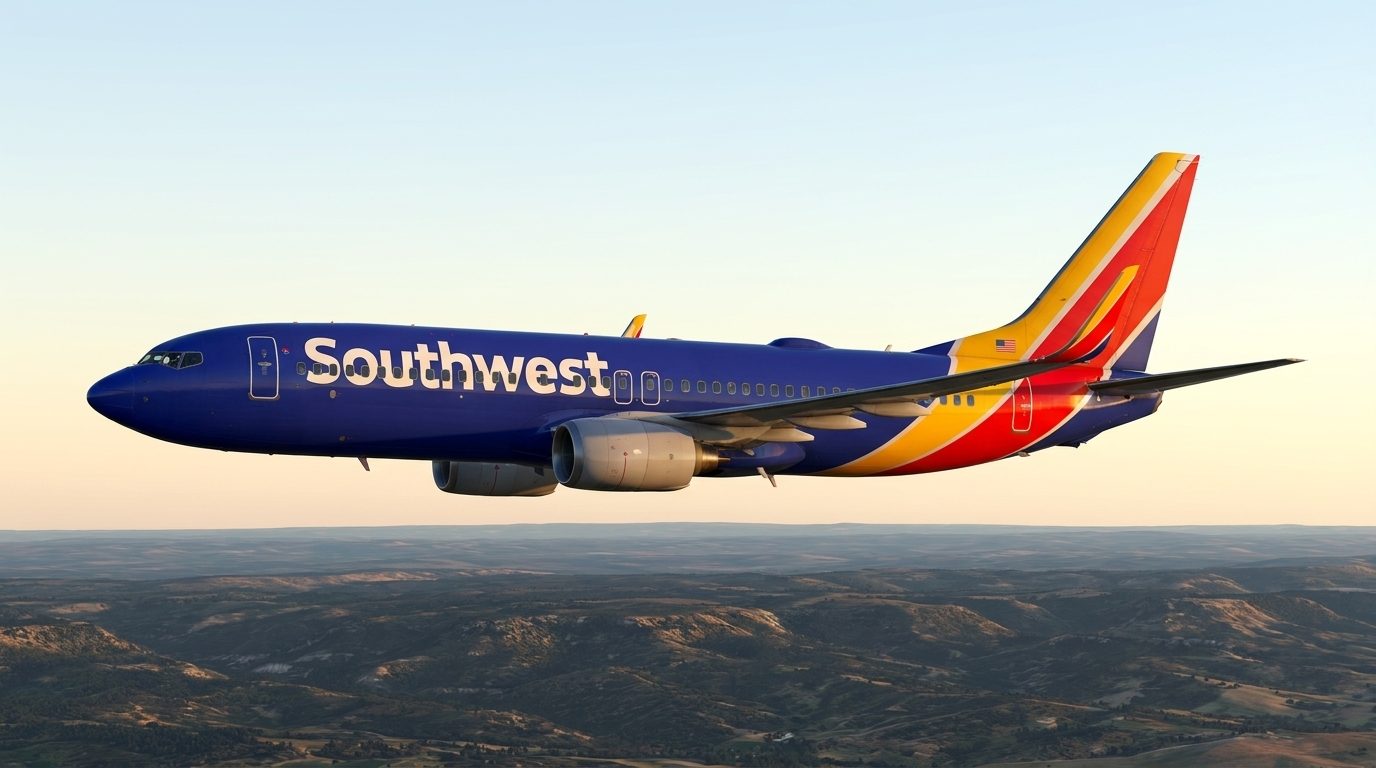
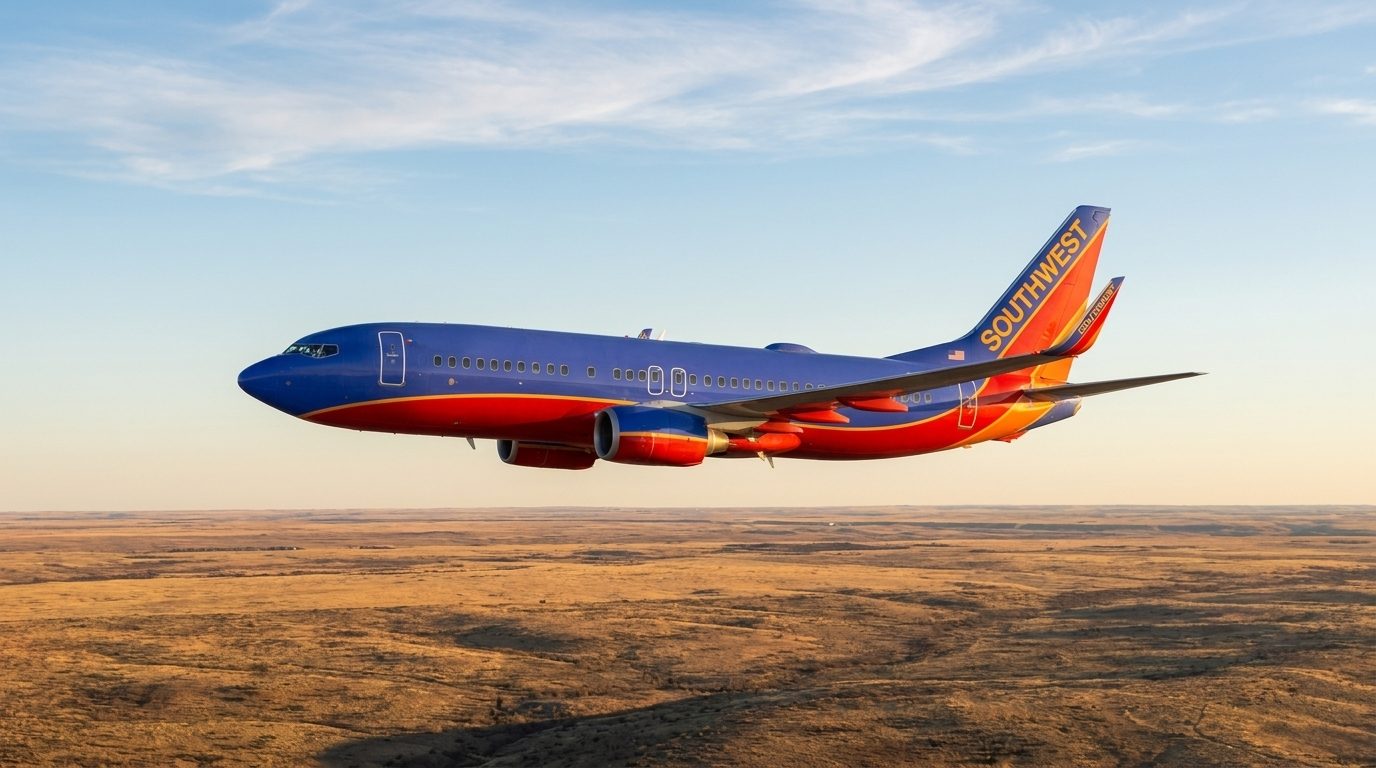
Competitors will watch gate allocations closely. Southwest and other Sky Harbor airlines remain important to Phoenix traffic, and the airport has said not every gate in the new building is pre-assigned. Even so, naming American as anchor locks the largest incumbent into the project’s financing and design assumptions—the usual pattern when a hub carrier underwrites a multi-billion-dollar terminal.
Until steel rises late this decade, travelers will keep using Terminals 3 and 4 while American’s 300-plus daily Phoenix departures continue from today’s footprint. The news on 21 September is a planning milestone: Phoenix has chosen its primary airline partner for the first new terminal in nearly forty years, and that partner is American.
Widebody-ready gates matter because American already uses Phoenix as a western gateway for Hawaii and seasonal international flying. A terminal designed from the start for larger aircraft reduces the juggling that happens when Terminal 4’s international swing gates fill on peak banks. Until 2033, though, that capacity remains a blueprint rather than a boarding pass change.
Comments
Loading comments…