


An unruly passenger incident aboard American Airlines Flight 3046 from Charlotte (CLT) to Philadelphia (PHL) has resulted in an assault that required law enforcement intervention upon landing. The incident, involving a passenger who allegedly bit another flyer during the flight, underscores the persistent challenge of disruptive behavior in the airline industry and raises questions about cabin safety protocols and crew training in de-escalation techniques.
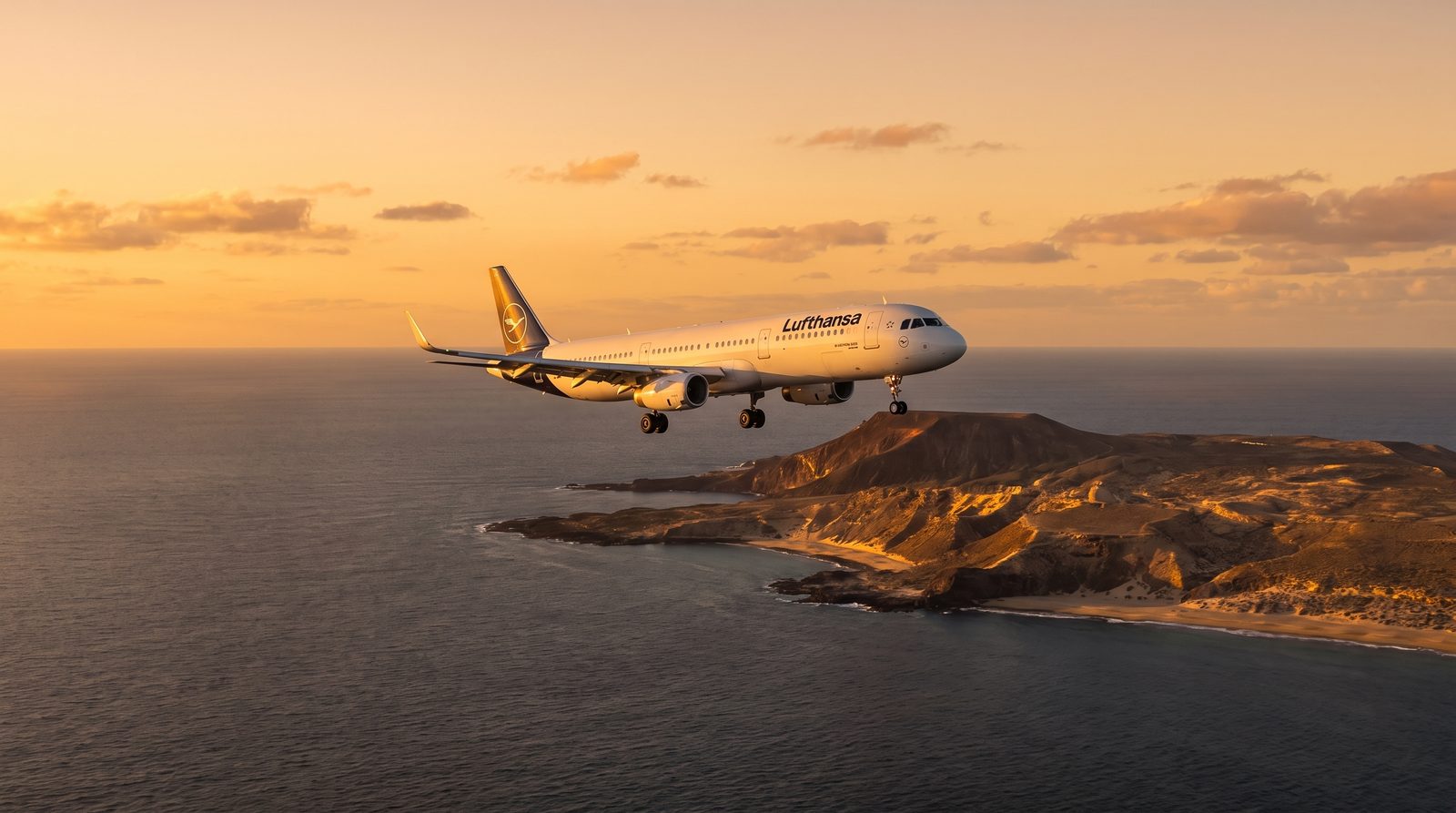
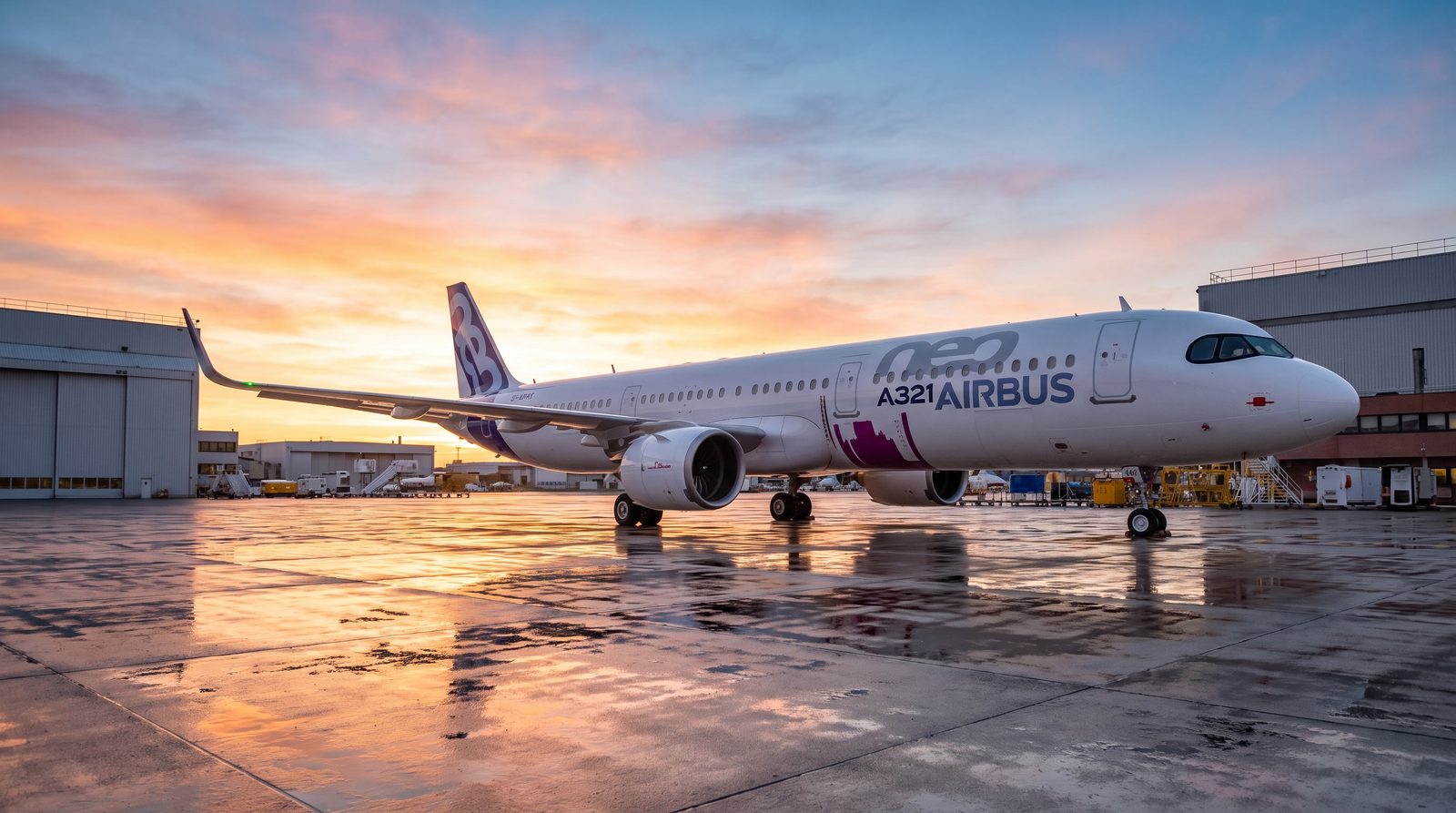
The flight operated on an Airbus A320, one of the most widely deployed narrowbody aircraft in commercial aviation globally. American Airlines operates a substantial fleet of A320 family aircraft across its domestic and short-haul international network, with the aircraft configured typically to carry between 150 and 180 passengers depending on cabin layout. The A320's prevalence in American's operations means incidents aboard this type receive particular attention, as the aircraft handles a significant portion of the carrier's daily passenger volume.
The CLT-PHL route represents a core east-coast corridor for American Airlines, linking Charlotte's hub operations with Philadelphia International Airport. This route typically operates multiple daily frequencies and serves as a key connector for both leisure and business passengers. The relatively short flight time—approximately 90 minutes—makes the proximity and confined nature of a cabin altercation particularly acute, as crew members have limited options for managing escalating passenger behavior before landing.
Passenger-on-passenger assault incidents, though statistically rare relative to overall flight operations, have drawn increased regulatory and industry scrutiny in recent years. The Federal Aviation Administration and the National Transportation Safety Board have documented rising trends in unruly passenger reports, with physical altercations representing a subset of broader disruptive conduct. Airlines have responded by implementing stricter enforcement policies, passenger conduct agreements, and crew training programs focused on early intervention and conflict de-escalation.
The incident highlights operational pressures that cabin crews face in managing confined spaces with limited backup resources. While flight attendants receive training in safety procedures and emergency response, de-escalation of interpersonal conflicts presents unique challenges. The crew's ability to contain the situation and notify ground authorities in advance of landing allows airport police and security personnel to respond immediately upon arrival, potentially preventing further escalation or injury.
American Airlines has established protocols for documenting and reporting unruly passenger incidents, with crew members required to file detailed reports that inform both carrier-level safety reviews and regulatory submissions to the FAA. These reports contribute to aggregate data on passenger behavior trends and help identify patterns or risk factors. Law enforcement response upon landing in Philadelphia ensured that proper documentation and potential prosecution could proceed according to jurisdiction-specific protocols.
The broader aviation industry continues to balance passenger rights with safety obligations, as incidents involving assault or battery aboard aircraft carry potential federal penalties for unruly or assaultive conduct. The consequences for passengers involved in such incidents can include FAA civil penalties, possible criminal prosecution, and bans from airline operations. Airlines have increasingly pursued aggressive prosecution policies to deter future misconduct and reinforce cabin safety culture.
This incident reinforces the importance of passenger responsibility in the shared aviation environment. While the vast majority of travelers conduct themselves appropriately, individual acts of misconduct create safety risks and operational disruptions affecting hundreds of other passengers. Ongoing dialogue between airlines, crew unions, aviation safety advocates, and regulators will continue to shape industry responses to unruly passenger behavior as a persistent operational challenge.
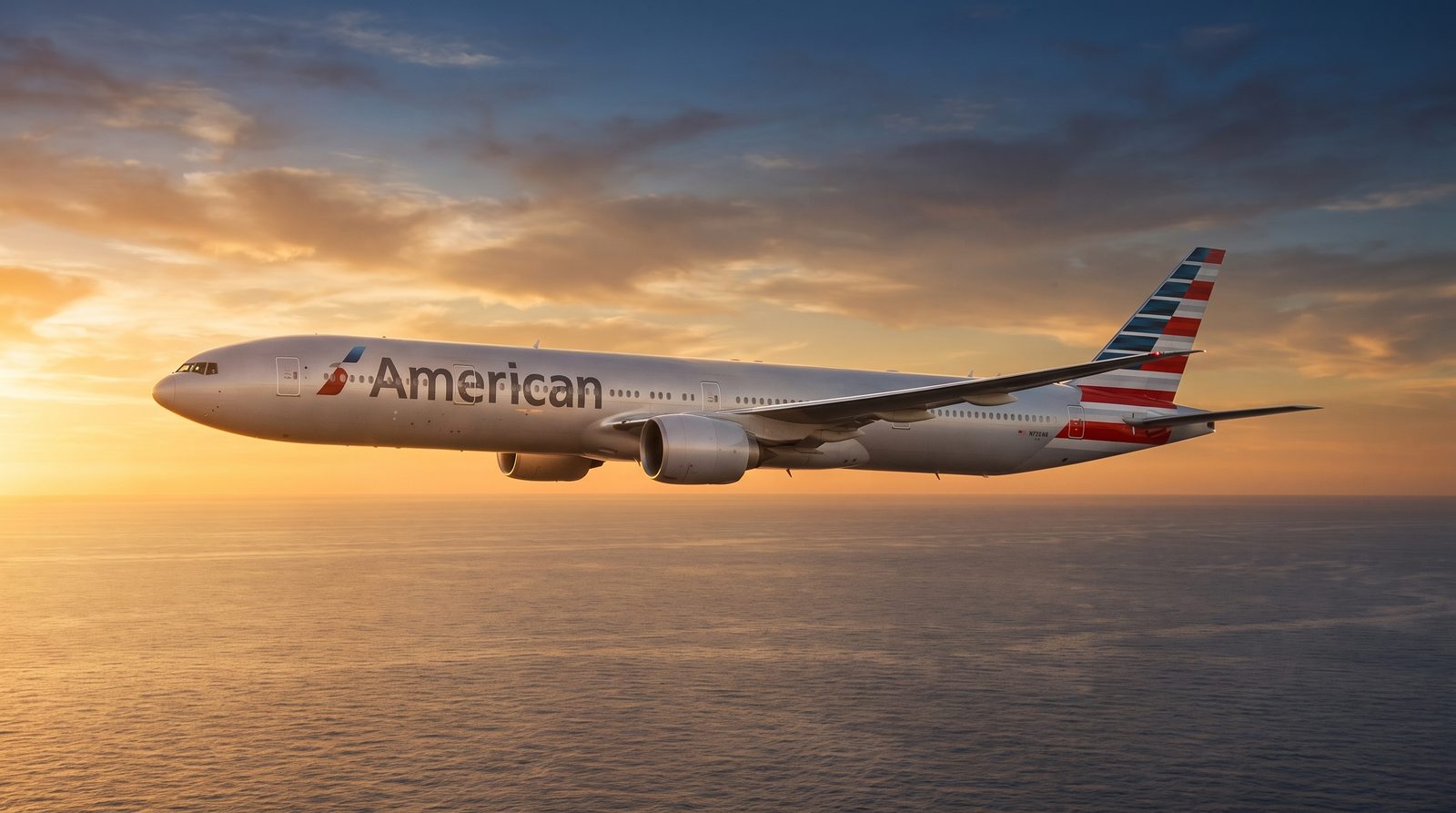
Sources: Simple Flying & CBS News. Featured image: AI-generated by AviationShop. By Daniel Okafor.


Comments
Loading comments…