


Tokyo Haneda Airport came uncomfortably close to another serious runway-safety event on Tuesday morning, when an All Nippon Airways (ANA) Boeing 767 arriving from Shanghai reportedly came within roughly 70 feet (about 20 meters) of a Japan Civil Aviation Bureau (JCAB) flight-inspection aircraft while on final approach.
According to Simple Flying, the widebody was on short final when the loss of separation occurred, bringing the two aircraft far closer than the wide margins that normally govern operations at one of the world's busiest airports. No collision took place and no injuries were reported, but a separation measured in tens of feet on approach is well inside the boundaries that air traffic control procedures are designed to guarantee.
The other aircraft involved was a JCAB flight-inspection aircraft. These specialised jets are operated by the civil aviation authority itself to calibrate and verify the navigation aids, instrument landing systems and approach procedures that airliners rely on every day. Their presence in the vicinity of active runways is routine and planned, which is precisely why the coordination of their movements with arriving commercial traffic is so tightly controlled.
Haneda has been under intense scrutiny on exactly this class of risk. On January 2, 2024, a Japan Airlines Airbus A350 collided on landing with a Japan Coast Guard turboprop that had entered the runway, an accident that destroyed both aircraft and killed five of the six crew aboard the Coast Guard aircraft, while all 379 occupants of the airliner evacuated. That accident triggered a wave of reviews into runway-incursion defences, controller workload and the alerting systems meant to warn of conflicting traffic.
Against that backdrop, any fresh loss of separation at Haneda draws immediate attention. Tuesday's event involved an aircraft on approach rather than a runway incursion by a vehicle or aircraft already on the ground, but the underlying concern is the same: keeping arriving jets and other airfield traffic reliably apart during the most demanding phases of flight.
The Boeing 767 remains a mainstay of ANA's medium-haul and regional international network, including services to and from mainland China, and the type is a familiar sight on the Shanghai-Tokyo corridor. ANA is Japan's largest carrier and operates one of the biggest 767 fleets in the world alongside its larger widebodies.
As of publication, the circumstances that allowed the two aircraft to close to such a short distance had not been fully detailed, and it will fall to Japanese authorities to establish exactly how the separation was lost and whether existing procedures or alerting systems performed as intended. For now, the takeaway is a stark one for an airport still living with the consequences of 2024: the margins held on Tuesday, but only just.
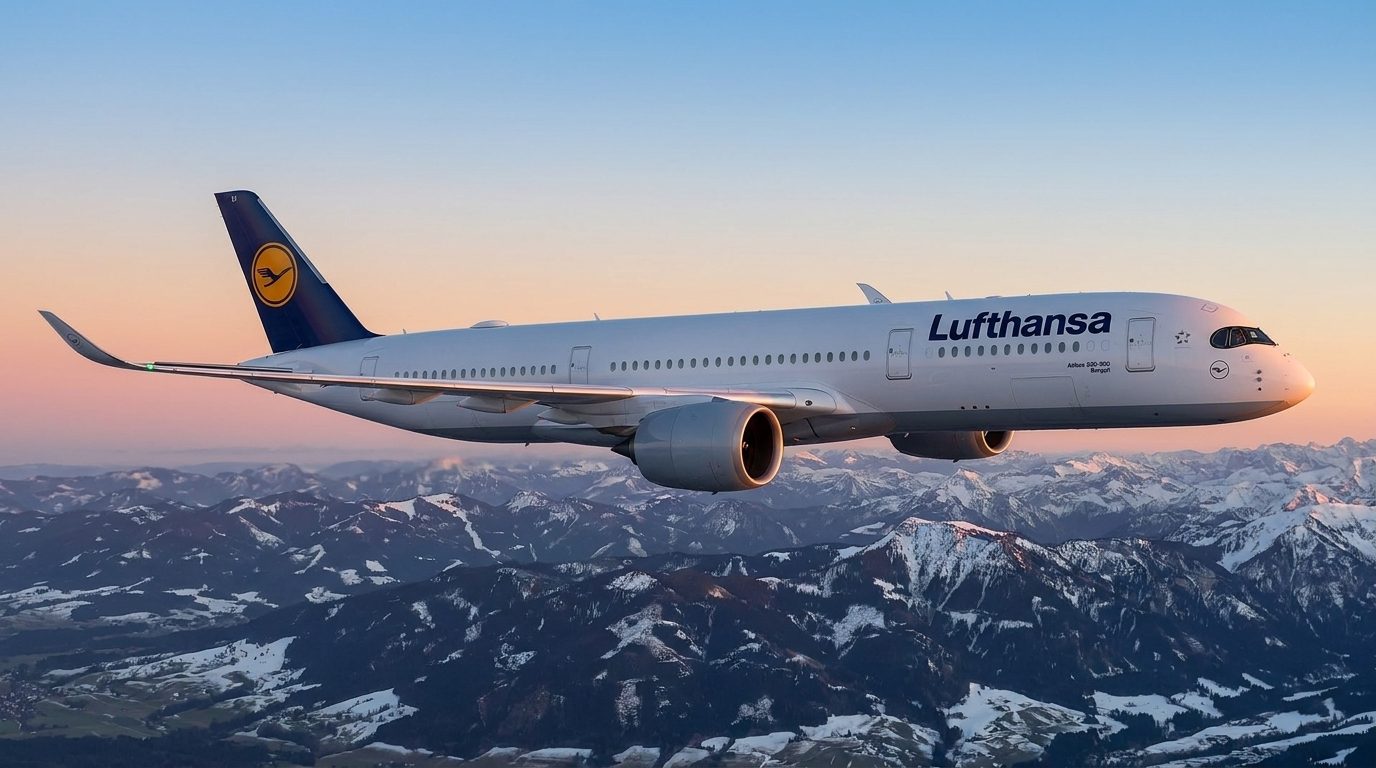
Sources: Simple Flying. Featured image: AI-generated by AviationShop. By Daniel Okafor.


Comments
Loading comments…