


Boeing expects airlines and cargo operators to need nearly 44,000 new commercial aircraft over the next 20 years, as passenger traffic grows, older fleets are replaced and air cargo continues to expand. The projection comes from the manufacturer's 2026 Commercial Market Outlook, released ahead of the Farnborough International Airshow.
The headline number is 43,625 new aircraft delivered between 2026 and 2045. Over the same period, Boeing forecasts that the global commercial fleet will expand by nearly 80% to exceed 50,000 aircraft. While geopolitical tensions, supply chain challenges and other short-term disruptions continue to affect the industry, Boeing believes these factors will not derail long-term aviation growth.
Underpinning the forecast is an expectation that passenger traffic will increase by around 4% annually, doubling global air travel by 2045. That growth rate is the single most important variable in any 20-year outlook: compounded across two decades, it is what turns today's fleet into tomorrow's 50,000-aircraft industry.
Replacement demand does half the work
Fleet renewal will drive a large share of that demand. Boeing expects around half of all new aircraft deliveries to replace older jets with more fuel-efficient models, helping airlines reduce operating costs and emissions. That split matters commercially, because replacement demand behaves differently from growth demand. Growth orders track economic cycles and can be deferred when traffic softens; replacement orders are driven by ageing airframes, maintenance economics and fuel burn, and tend to be more resilient when conditions tighten.
Single-aisle jets still dominate
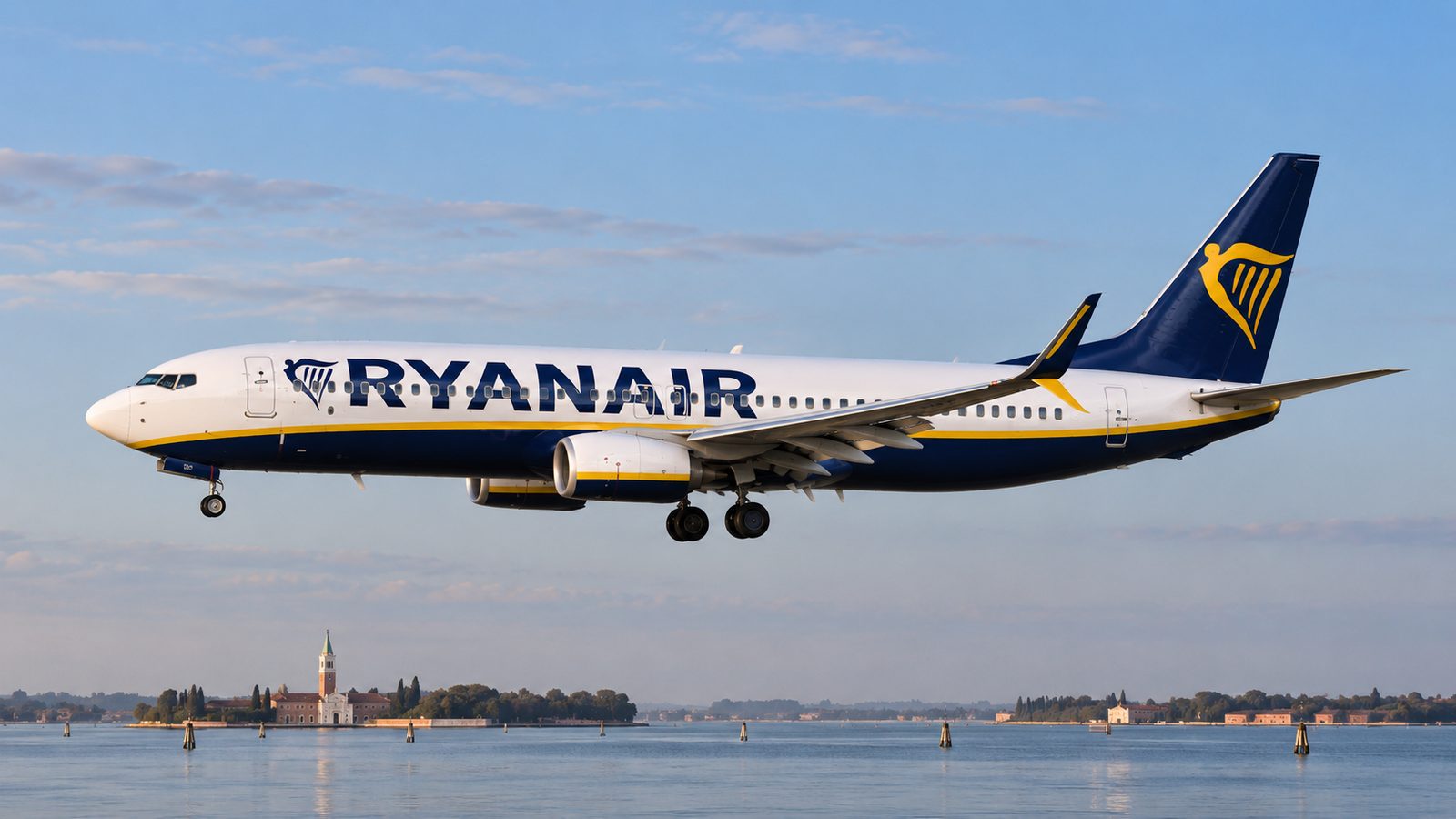
Single-aisle aircraft will continue to dominate the market, reflecting the ongoing expansion of domestic and regional travel. Boeing forecasts demand for more than 33,500 narrowbody jets over the next 20 years, representing roughly three-quarters of all projected deliveries. The global single-aisle fleet is expected to nearly double, surpassing 36,000 aircraft by 2045.
That concentration explains why narrowbody production rates have become the industry's central bottleneck. Three-quarters of a 43,625-aircraft forecast has to come off a small number of assembly lines, and every supply chain constraint in that segment compounds across the whole outlook.
Widebodies, regionals and freighters
Widebody aircraft will also remain an important segment as long-haul travel continues to recover and cargo demand grows. The company forecasts demand for more than 7,700 new widebody aircraft over the next 20 years.
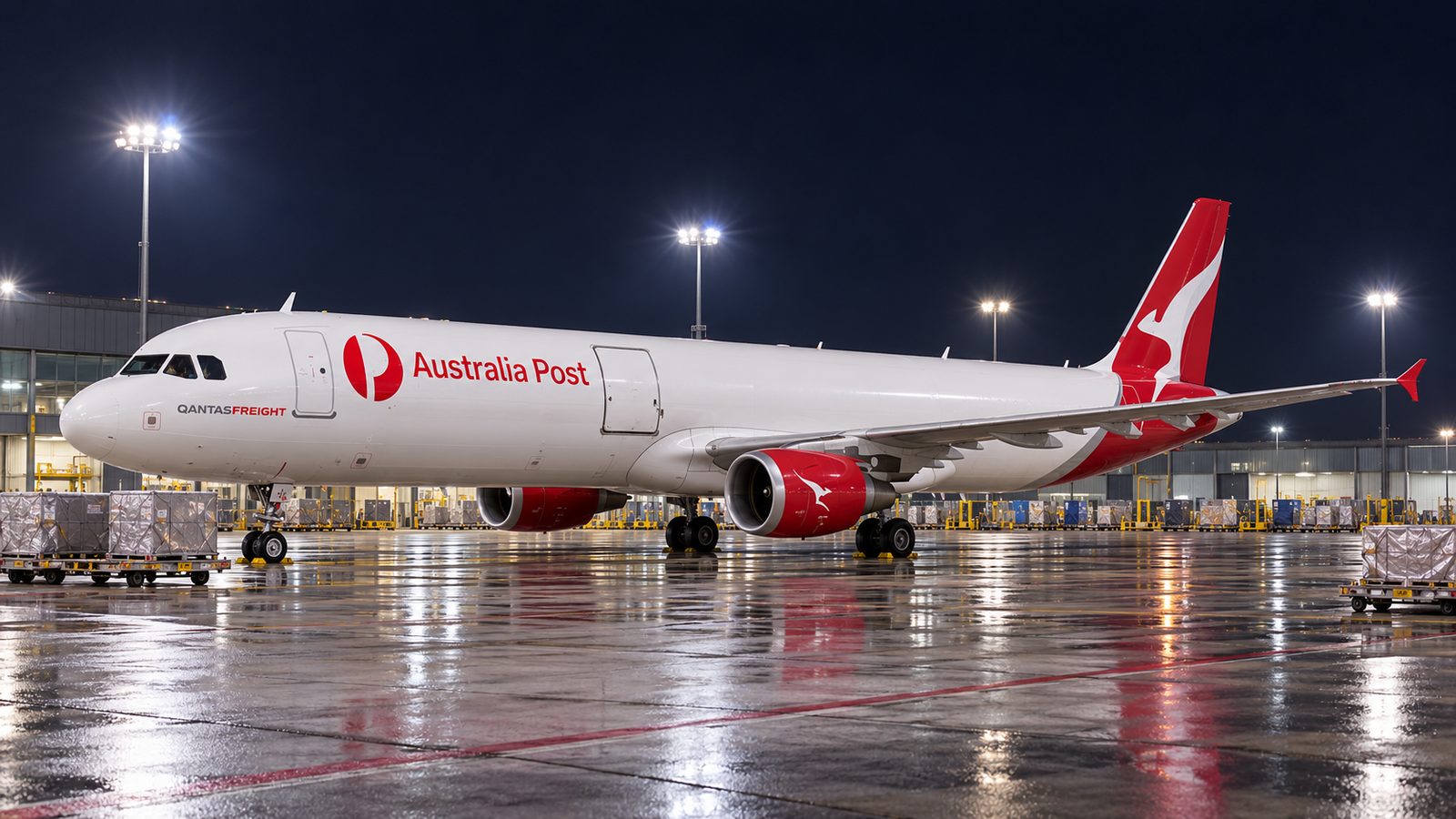
The outlook also includes around 1,400 regional aircraft deliveries and nearly 1,000 newly built freighters. Boeing projects additional freighter capacity from passenger-to-freighter conversions alongside those newbuild deliveries, reflecting an air cargo market that has settled into a structurally larger role than it held a decade ago.
Why the timing matters
Publishing the Commercial Market Outlook immediately before Farnborough is a long-standing industry convention. The airshow is traditionally where a significant share of the year's order announcements are made public, and both major airframers use their 20-year forecasts to frame the commercial case that surrounds those announcements.
For airlines, the practical read is narrower than the headline figure. A forecast of nearly 44,000 aircraft over 20 years is a statement about delivery capacity as much as about demand: it assumes the supply chain can be scaled to produce more than 2,000 aircraft a year on average, sustained across two decades, while simultaneously retiring and replacing a large share of the aircraft flying today.
Sources: AeroTime, Boeing. Featured image: AI-generated by AviationShop. By Marco Bianchi.



Comments
Loading comments…