


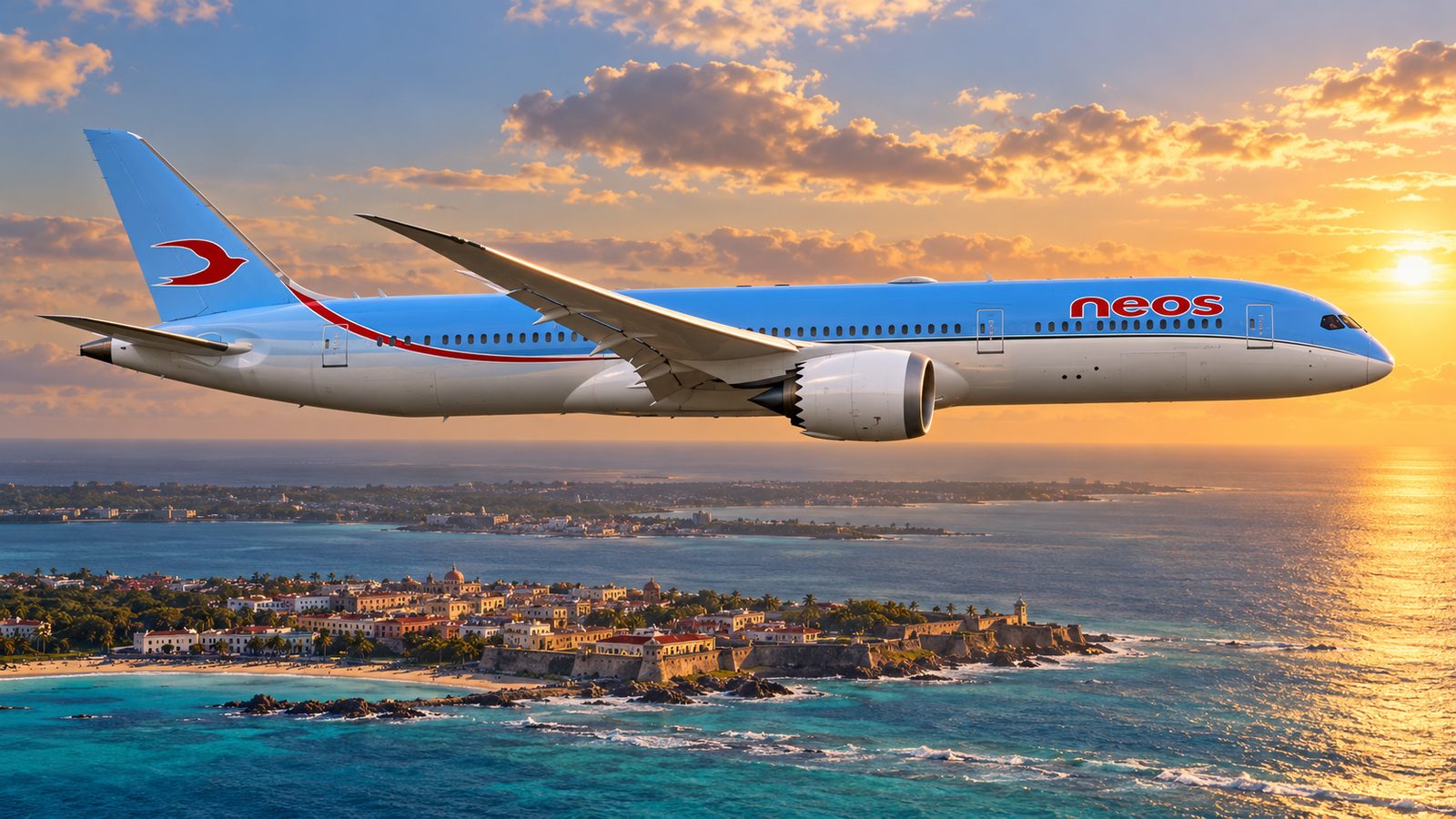
Boeing's 2026 ecoDemonstrator programme will fly on a Boeing 787-9 Dreamliner destined for Lufthansa, in a three-way flight test campaign with Rolls-Royce aimed at cutting both fuel burn and community noise. The three companies announced the venture on July 16, 2026.
The aircraft — designated the 2026 ecoDemonstrator Explorer — is a 787-9 powered by Rolls-Royce Trent 1000 engines and scheduled for delivery to Lufthansa at a future date. Lufthansa Group agreed to let the airframe be used for testing before it enters the airline's fleet. Flights operate from Boeing's site in Glasgow, Montana, which is equipped with a ground-based microphone array, and the experimental programme is expected to run through mid-August 2026.
A shorter inlet, and why that matters
The headline hardware is what Boeing and Rolls-Royce call the Next Generation Inlet: a reduced-length engine inlet demonstrator built as an advanced composite structure with expanded acoustic treatment. It is roughly 30% shorter than the production version — about 38cm, or 15 inches — with an acoustic liner that treats considerably more of the inlet surface than a standard nacelle does.
The engineering logic is that a shorter nacelle is a lighter nacelle with less drag, and the acoustic liner is what makes that trade possible without a noise penalty. "The inlet enables the integration of more fuel-efficient engines onto future platforms and reduces weight as well as drag while maintaining the acoustic performance," Rolls-Royce said. The company provided engineering support and oversight for operating the engine with the new inlet installed.
That combination points beyond this one airframe. Next-generation engine architectures tend toward larger fan diameters, which drives nacelle size, weight and drag in the wrong direction. An inlet that can be shortened without losing acoustic performance is one of the levers that keeps those engines viable on future aircraft.
Quieter arrivals and departures
The second strand of testing is procedural rather than structural. The 787-9 will fly modified departure and arrival procedures, including what the partners call Intelligent Operations flight paths, intended to reduce community noise around airports. These trajectories are algorithmically generated using multiple data sources to identify opportunities for fuel-efficiency and noise benefits — in other words, finding a better-shaped climb or descent rather than changing the aircraft at all.
Both strands sit within Phase III of the FAA's CLEEN programme — Continuous Lower Energy, Emissions and Noise — which supports development of technologies for future aircraft.
A decade of collaboration
"This programme is the culmination of a decade of collaboration with Boeing, built on a shared ambition to reduce noise, improve efficiency and unlock more sustainable flight," said Alan Newby, Rolls-Royce Director of Research and Technology. "With Boeing and Lufthansa, we are building on our extensive research to test technologies in real-world conditions and see how they perform where it matters most — in service."
Boeing Chief Technology Officer Lane Ballard described the inlet and the Intelligent Operations flight paths as "among the many promising concepts we're working on," adding that "these enhancements have the potential to make our airplanes even more valuable to our partners, including customers like Lufthansa and suppliers like Rolls-Royce."
The ecoDemonstrator programme has run for more than a decade, using in-production airframes as flying testbeds before they enter airline service. Using a customer aircraft rather than a dedicated test fleet keeps the cost down and puts the technology in a realistic configuration — and it means that once testing wraps up in August, this particular Dreamliner is expected to go on to fly ordinary Lufthansa services.
Sources: AeroTime, FlightGlobal. Featured image: AI-generated by AviationShop. By Marco Bianchi.


Comments
Loading comments…