


A British Airways Airbus A380-800 operating a transatlantic service from San Francisco to London Heathrow diverted to Birmingham Airport on June 27, 2026, after circling over Manchester. The incident marks a notable disruption for one of the world's largest passenger aircraft and raises questions about the operational challenges facing the airline's flagship widebody fleet on long-haul routes.
The A380-800 is the world's largest passenger airliner, capable of carrying up to 853 passengers in a high-density configuration, though most airlines configure them with fewer seats for added comfort on premium routes. British Airways operates a fleet of these aircraft primarily on long-haul international services, where their size and range make them economically efficient despite higher operating costs than smaller widebodies. The diversion to Birmingham rather than returning to a major hub suggests either fuel constraints or weather-related factors that necessitated landing at an alternative airport equipped to handle the massive aircraft.
Diversions of this magnitude are relatively uncommon in modern commercial aviation, though they remain a critical safety procedure. The A380, with its nearly 262-foot (80-metre) wingspan and complex systems, requires specific airport infrastructure including extended runways, robust ground handling equipment, and adequate maintenance facilities. Birmingham Airport, while capable of accommodating large aircraft, is not a primary hub for British Airways, meaning the diversion likely resulted in significant operational disruption, including passenger rebooking, ground services coordination, and potential cascading delays across the airline's network.
The San Francisco to London Heathrow route is one of the most competitive transatlantic services, with multiple carriers operating the corridor daily. British Airways' A380 deployment on this route reflects the airline's strategy to maximize capacity on premium long-haul lanes where demand supports the aircraft's higher seat count. The diversion underscores the operational complexity of managing such large aircraft across international networks, where weather systems, air traffic congestion, and mechanical issues can quickly necessitate alternate landing sites.
The circumstances leading to the diversion remain under investigation, with initial reports indicating the aircraft circled Manchester airspace before the decision to divert south to Birmingham. Circling patterns typically indicate either holding due to weather, air traffic delays, or an aircraft system issue requiring crew coordination with air traffic control and maintenance authorities. The decision to divert rather than proceed to the original destination suggests a situation that could not be resolved through normal holding procedures or delay tactics.
From a fleet management perspective, this incident highlights ongoing considerations for airlines operating the A380. While the aircraft remains an engineering marvel and a symbol of long-haul capacity, its operational dependencies—including airport compatibility, specialized maintenance, and fuel consumption on regional routes—continue to shape network planning decisions. British Airways' A380 fleet forms a core component of its long-haul strategy, particularly on high-demand routes where the aircraft's 14-hour-plus range permits nonstop service to distant markets.
The diversion also reflects broader air travel system resilience. Modern aviation safety protocols ensure that diversions, while inconvenient for passengers and operators, are executed efficiently and safely when conditions warrant. Ground services at secondary airports like Birmingham are increasingly equipped to handle large aircraft diversions, though the logistical complexity of accommodating an A380 full of passengers destined for London remains significant.
As investigations continue, this event serves as a reminder of the sophisticated decision-making and procedural systems that underpin transatlantic aviation, where safety margins and operational contingencies are built into every flight plan.
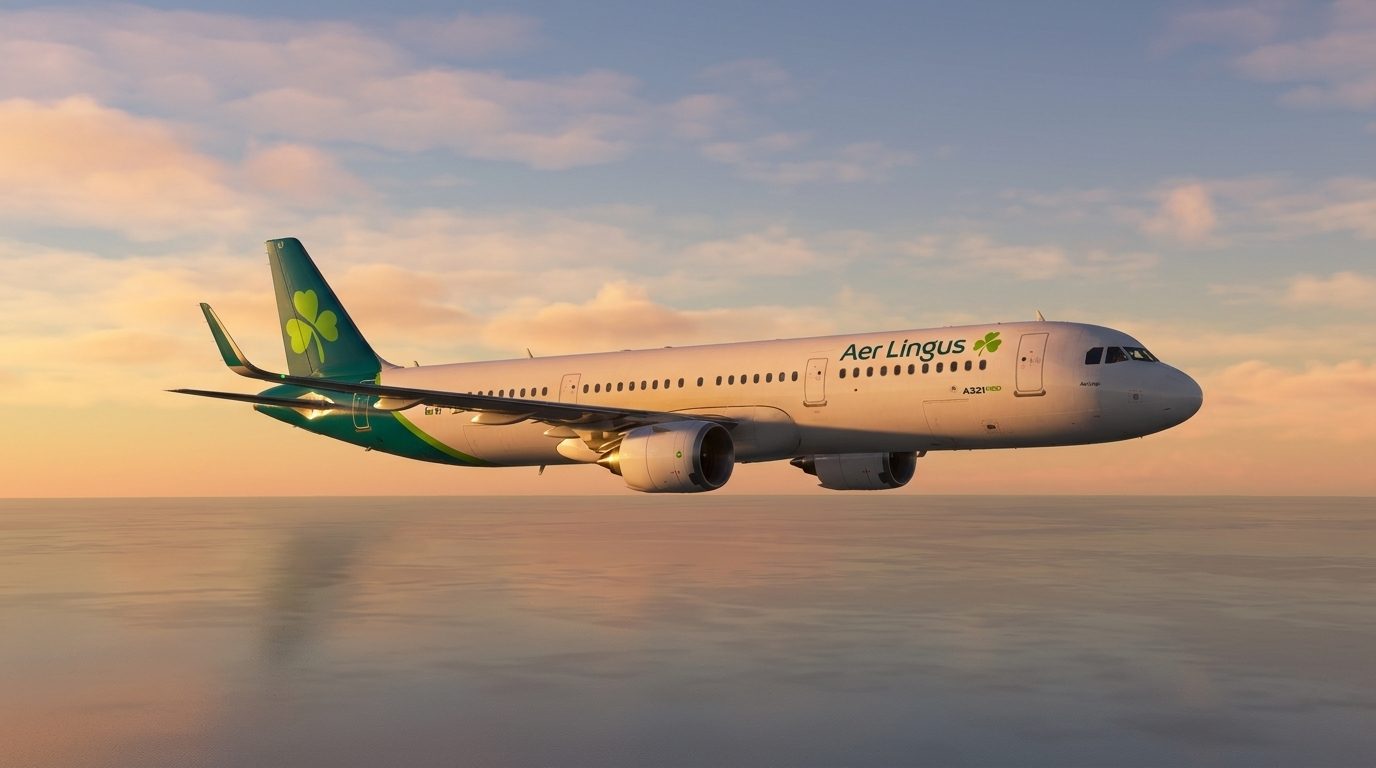
Sources: Simple Flying & AirLive. Featured image: AI-generated by AviationShop. By James Holloway.


Comments
Loading comments…