


Ethiopian Airlines is weighing one of the more consequential fleet decisions in its recent history, with Africa's largest carrier evaluating as many as 25 new narrowbody jets and a final selection expected within weeks. According to AeroTime, three manufacturers remain in contention, setting up a genuine three-way contest for a strategically important order.
The shortlist pits the Airbus A220-300, the Boeing 737 MAX 7 and the Embraer E195-E2 against one another, with a decision reported to be due by August. Each aircraft brings a distinct case, and the outcome will shape how Ethiopian serves its dense web of regional and medium-haul routes across Africa and beyond for years to come.
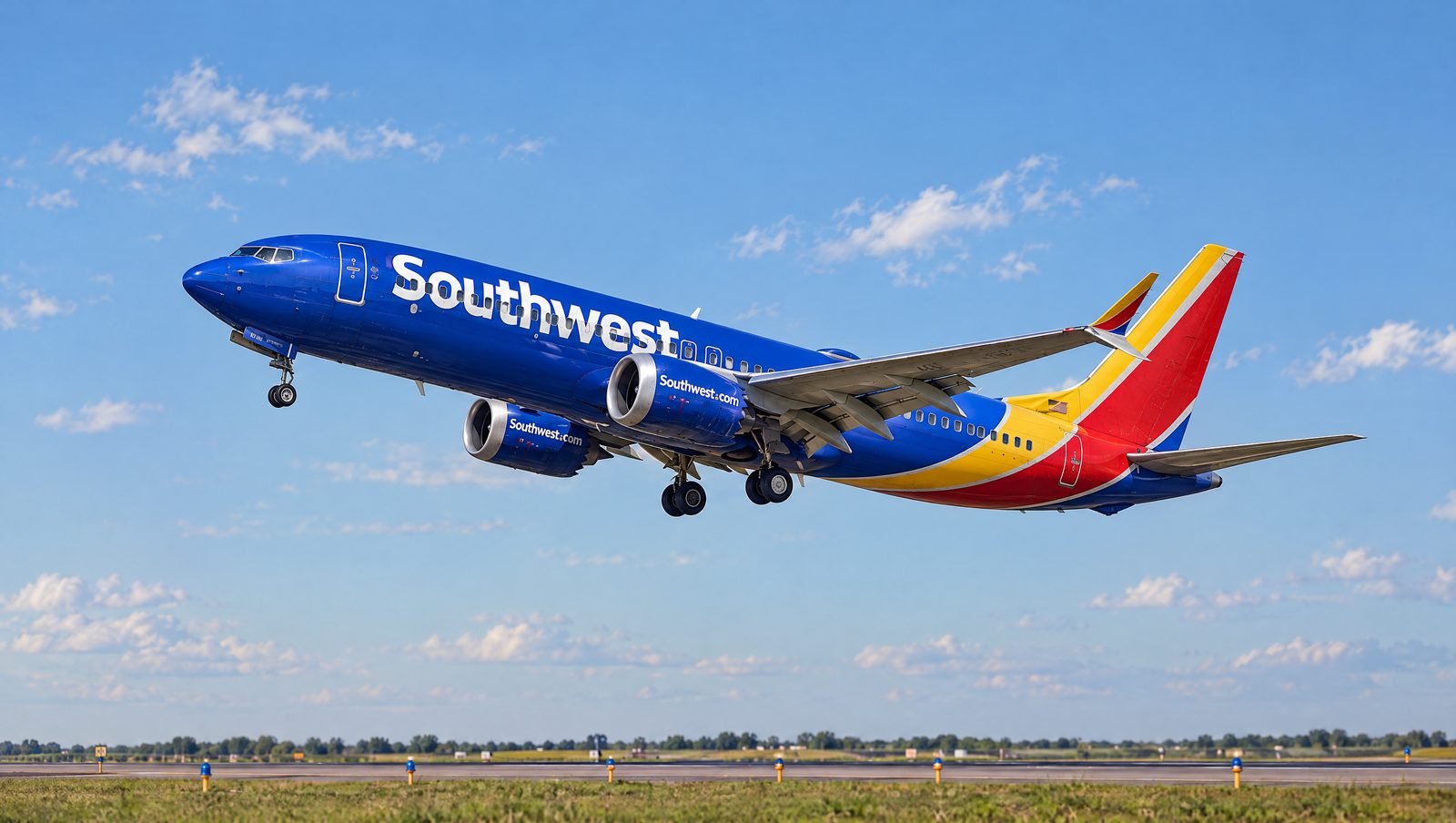
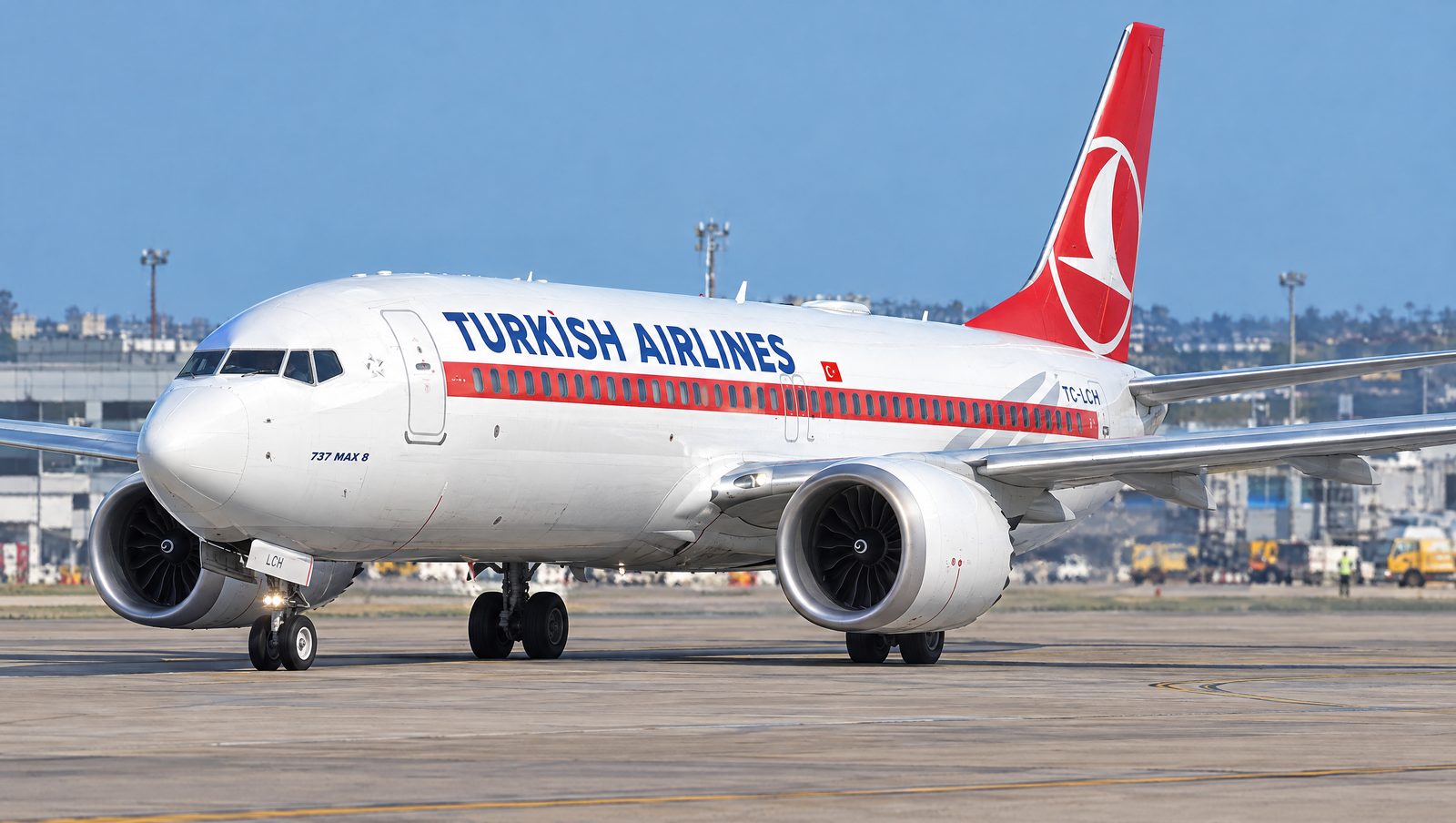
The Boeing 737 MAX 7 offers the greatest range of the three at roughly 7,130 kilometres, making it well suited to longer regional and medium-haul missions. Just as important for Ethiopian, the MAX 7 would slot in alongside the carrier's existing Boeing narrowbody fleet, simplifying maintenance, training and spares through commonality with aircraft the airline already operates.
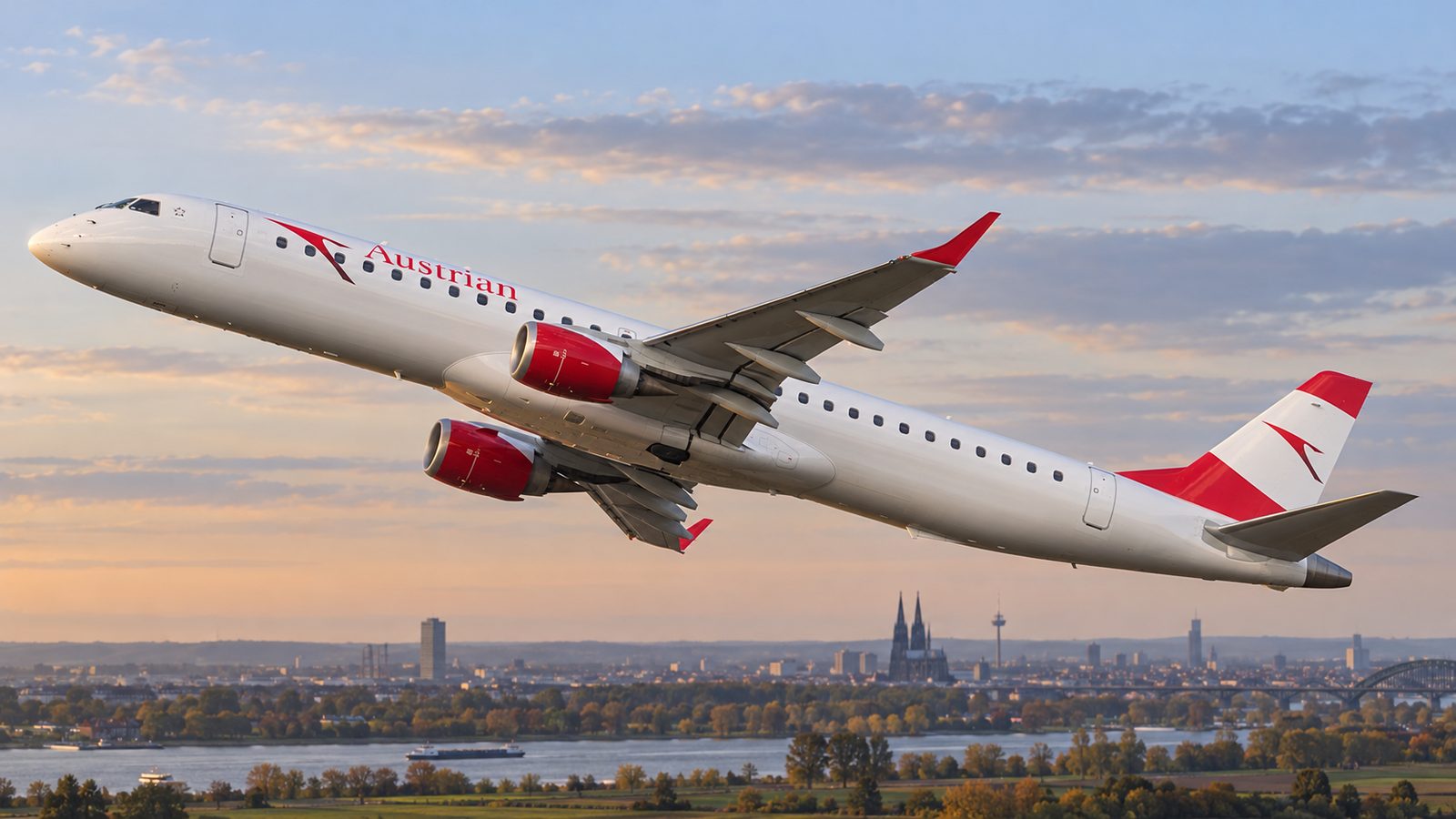
Embraer, for its part, has put forward the E195-E2, emphasising the type's fuel efficiency and its Pratt & Whitney geared turbofan engines. The manufacturer argues the jet is well matched to African operating conditions and to the continent's fragmented route structure, where many city pairs cannot reliably fill a larger single-aisle aircraft. A right-sized regional jet can open or sustain routes that a bigger narrowbody would struggle to make profitable.
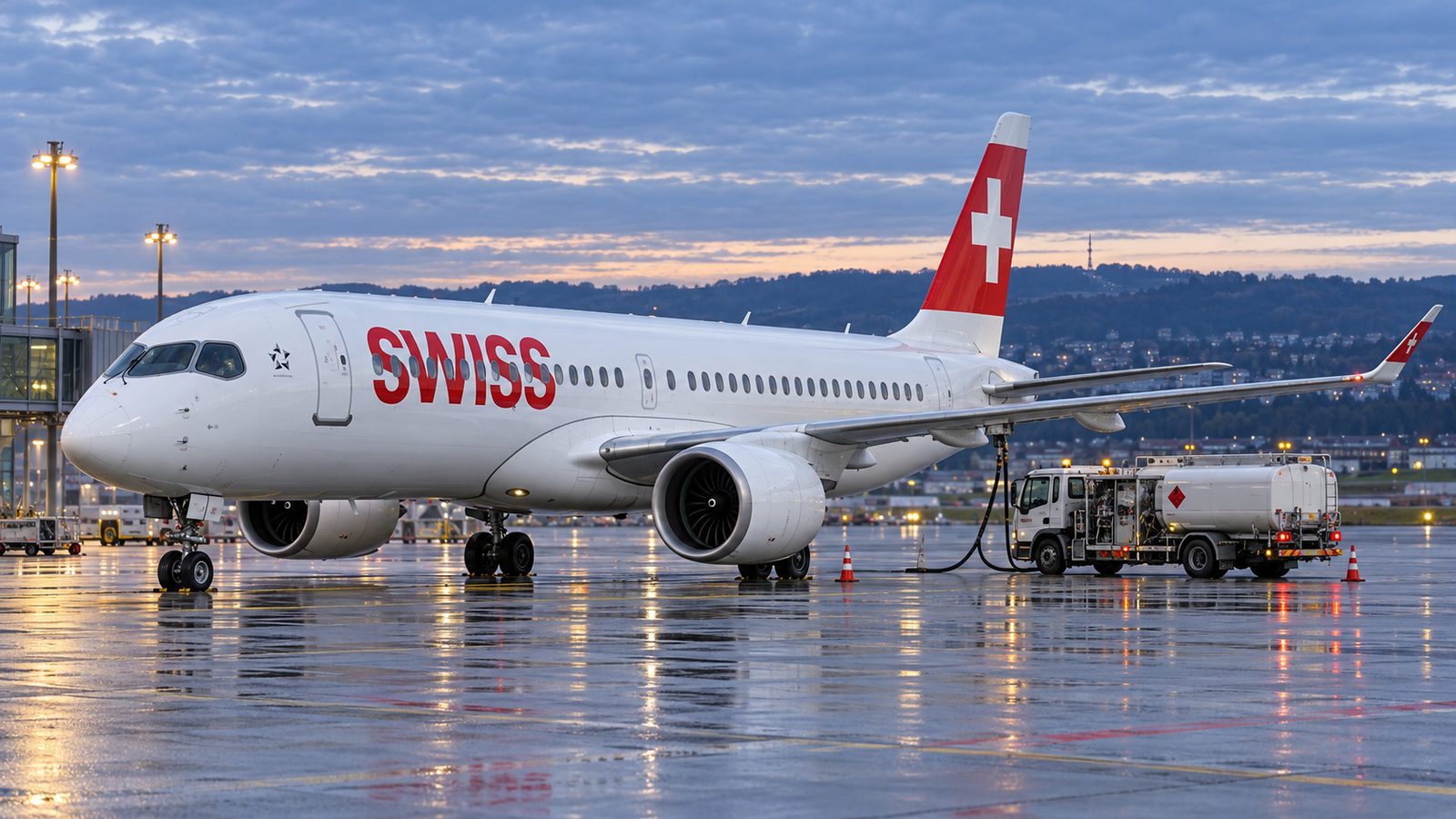
The Airbus A220-300 sits between the two, offering a balance of range and fuel economy along with a comfortable cabin. That combination makes it a strong candidate for thinner international routes with lighter passenger traffic, giving Ethiopian flexibility to grow markets gradually without committing to the capacity of a larger jet.
The stakes extend well beyond Ethiopian's own balance sheet. As one of Africa's most influential airline groups and the anchor of a fast-growing hub at Addis Ababa, the carrier's fleet choices are closely watched across the continent and often influence how other African operators approach their own purchasing decisions. A win here would give the chosen manufacturer valuable momentum in a region where all three are competing hard for future orders.
For now, no order has been signed, and Ethiopian has kept its options open as it works through the evaluation. The airline's history of large, ambitious fleet commitments — spanning both Airbus and Boeing widebodies as well as Boeing narrowbodies — means whichever way it leans, the decision will be read as a significant signal about the direction of narrowbody flying in Africa. With the reported timeline pointing to a resolution in the coming weeks, the industry will not have to wait long to see which manufacturer comes out ahead.
Sources: AeroTime. Featured image: AI-generated by AviationShop. By Elena Vargas.



Comments
Loading comments…