


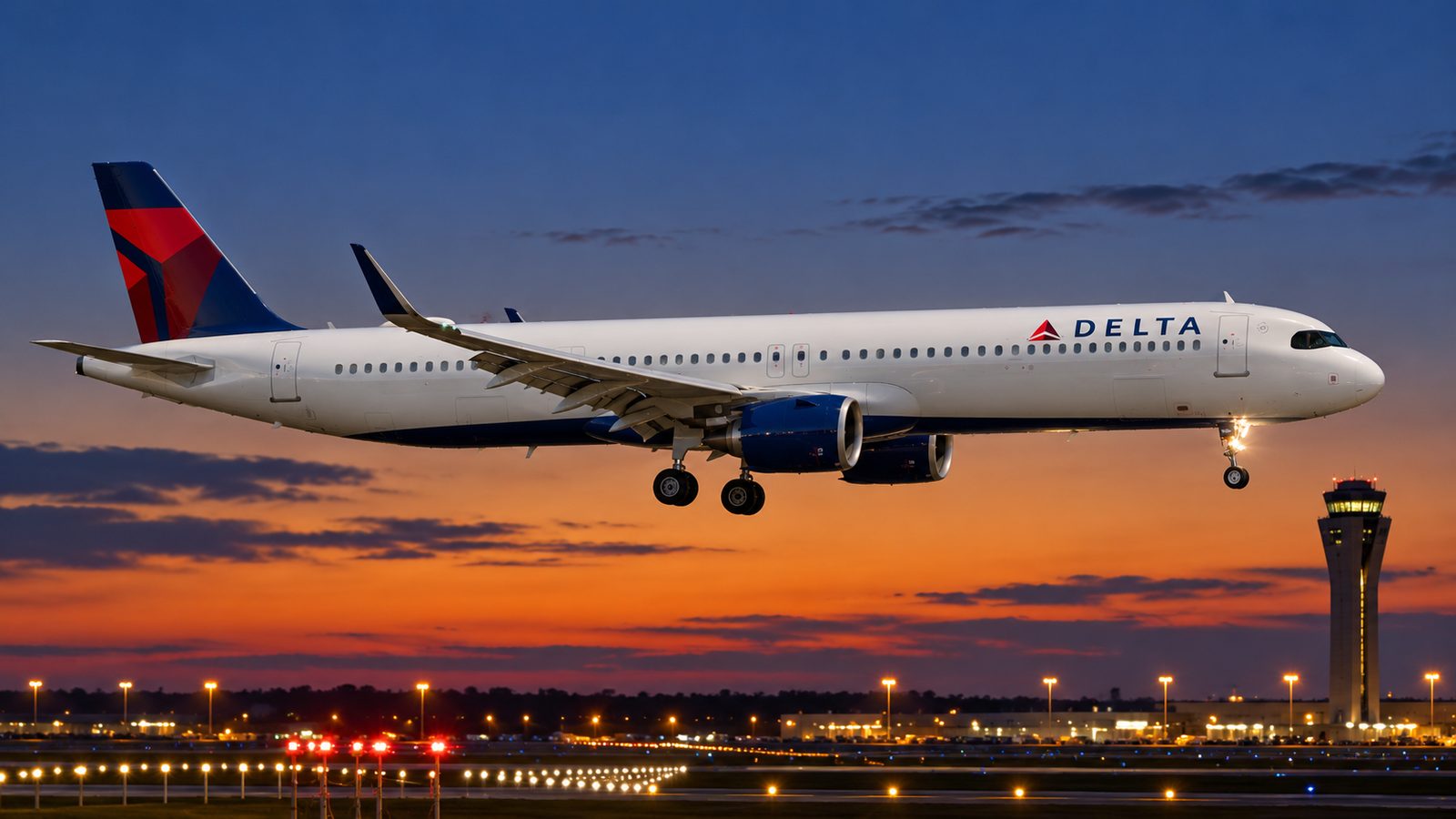
The Federal Aviation Administration is bringing back a program that lets air traffic controllers ride in airline cockpits. The agency announced on October 14 that it has reinstated its Flight Deck Training program, which gives controllers jumpseat access aboard commercial, general aviation and military aircraft so they can see first-hand how their instructions play out on the flight deck.
The program was paused at the start of the COVID-19 pandemic. The FAA said it worked closely with the National Air Traffic Controllers Association (NATCA) to restore it, and that all major U.S. airlines have agreed to take part. Formal operations are expected to begin after Thanksgiving.
How the program will work
Controllers will apply electronically to fly on specific flights and must identify a training objective for each trip. Once a request is approved internally, the FAA will send it to the airline. Participants will go through several layers of vetting, both at the airport and when they reach the aircraft, and after each flight they must submit a report explaining what they learned.
Each controller can take part in two commercial or general aviation flights and one military flight per year. Requests are not automatic: a controller's air traffic manager will weigh the facility's available staffing and operational needs before approving a trip.
The FAA's public documents list the effort under Order JO 3120.29D, Flight Deck Training (FDT) Program.
What the FAA expects controllers to learn
The agency said controllers will gain experience with pilot workload, cockpit procedures and the way air traffic control instructions affect flight crews. The FAA has already been testing the program and said it has identified benefits, including helping controllers understand when they should hold off on issuing complex instructions and how changes such as a new landing runway can increase pilot workload.
"After listening to our frontline controllers, we're excited to bring back the Flight Deck Training program," FAA Administrator Bryan Bedford said. "Communication is key and this program will give controllers and pilots an up-close view of each other's responsibilities and challenges."
NATCA President Nick Daniels welcomed the move. "There is no substitute for firsthand experience in the cockpit," he said, adding that the program gives participants a unique perspective on the challenges pilots face and how their decisions interact with the air traffic control system.
Pressure from Congress
AvWeb noted that the reinstatement follows the introduction in September of bipartisan legislation that seeks to establish flight deck observation opportunities for controllers. By restoring its own program, the FAA moves ahead of any legislative requirement and sets its own rules on eligibility, vetting and frequency.
The decision also lands during an intense period of scrutiny for U.S. air traffic control. In recent weeks the FAA has opened an investigation into a close call at New York LaGuardia, faced calls from lawmakers to pause a new AI-based traffic tool in the Washington area, and moved to seek an ownership stake in Air Space Intelligence, the company behind that tool. Programs that improve day-to-day understanding between pilots and controllers are a lower-tech, lower-cost piece of the same safety agenda.
What it means for airlines and passengers
For airlines, the main practical change will be an occasional extra, vetted observer in the cockpit jumpseat on selected flights once the program starts after Thanksgiving. The FAA has not said how many controllers it expects to take part in the first year or which routes will be used.
Passengers are unlikely to notice anything at all. The aim, as both the FAA and NATCA describe it, is better communication between the two groups that share responsibility for every flight, with controllers learning what a runway change or a complex clearance actually demands from a crew during the busiest phases of flight.
Comments
Loading comments…