


Two American Airlines Boeing 737-800s were airborne in the same sector near Phoenix Sky Harbor International Airport under the identical callsign “American 2482” shortly after midnight on 14 August 2026, a duplication the Federal Aviation Administration is now investigating. One aircraft was arriving from Chicago O'Hare; the other had just departed Phoenix for the same airport.
Flightradar24 data shows the arriving flight descending through 11,000 feet while the departure was climbing toward 9,000 feet when the crews and the controller working the sector identified the duplication. The FAA said required separation was maintained throughout, and neither aircraft has been reported as receiving a collision-avoidance resolution advisory.
How two “American 2482” ended up airborne at once
American Airlines uses flight number 2482 in both directions on the Chicago–Phoenix route, normally with a single aircraft turning around at Phoenix. On this occasion the inbound leg was delayed by weather and landed at 00:13 local time against a scheduled arrival of 10:43 — a delay of well over half a day. Rather than hold the return service until that aircraft was ready, the carrier assigned a second 737-800 already on the ground at Phoenix, which departed just before midnight.
The result was that both aircraft were airborne under the same identifier, at the same time, on the same frequency. Where a duplication of this kind is anticipated, the second flight is normally refiled under a different number before pushback, or a suffix letter is appended to distinguish it on the controller's strip and on the radio.
Why callsign confusion matters
Callsign confusion is one of the older and better-documented human-factors problems in air traffic control. When two aircraft on the same frequency answer to the same identifier, a clearance intended for one can be read back and acted on by the other. The failure mode is not exotic: it is a routine altitude or heading instruction going to the wrong aircraft, in a sector where both are manoeuvring.
That is why airlines and air navigation service providers run callsign-similarity deconfliction programmes, and why a same-number duplication — as opposed to a merely similar-sounding pair — is treated as a reportable event even when nothing else goes wrong. In this case, the safety net worked as designed. The controller and both crews recognised the problem, separation was never lost, and no avoidance manoeuvre was required.
What the investigation will look at
The FAA has not published findings, and no conclusions should be drawn about cause at this stage. The obvious question the review will examine is procedural rather than technical: how a heavily delayed rotation was allowed to produce two simultaneous flights under one number, and at what point in the dispatch chain the duplication should have been caught and the second sector refiled.
Large delay days generate exactly this kind of scheduling knot. When an aircraft slips more than thirteen hours, the original flight number has effectively been overtaken by the next day's operation, and carriers routinely substitute aircraft to protect the return sector. The renumbering step that normally accompanies such a substitution is the part that appears not to have happened here.
American operates a large narrowbody fleet with high frequencies on trunk domestic routes such as Chicago–Phoenix, and the same flight number is commonly used in both directions across the industry. That convention is unremarkable in normal operations — it only becomes a problem when a delay stretches far enough that the outbound and inbound legs overlap in the air.
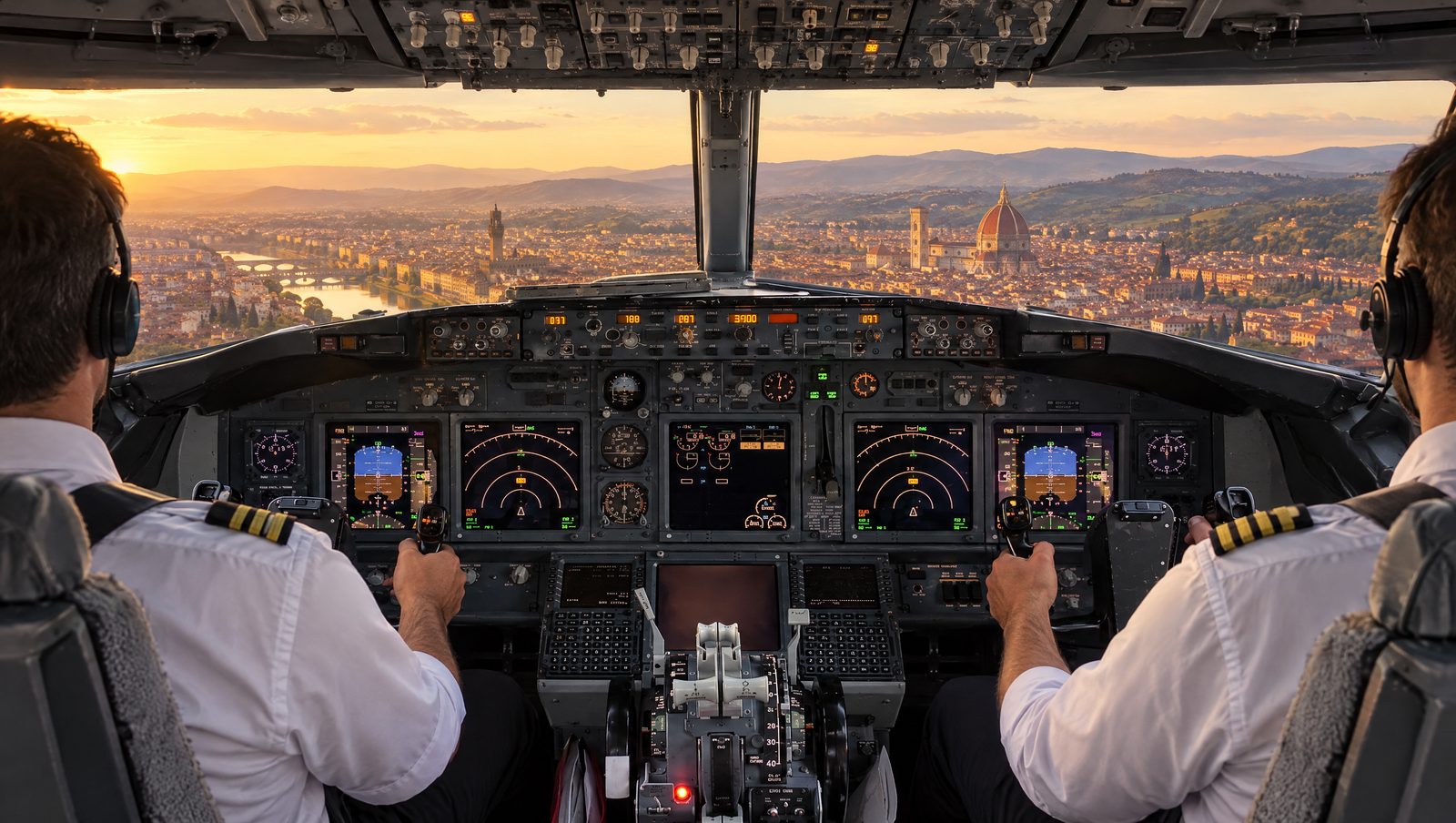
Sources: AeroTime. Featured image: AI-generated by AviationShop. By Elena Vargas.


Comments
Loading comments…