


Horizon Air flight attendants have voted overwhelmingly to authorize a strike, with 99.8% approval in a union ballot, as contract negotiations between the Alaska Air Group subsidiary and its workforce remain stalled. The vote demonstrates near-unanimous support among cabin crew for potential industrial action, underscoring deep frustration over compensation, working conditions, and scheduling practices. The authorization does not trigger an immediate walkout but grants union leadership the legal authority to call a strike if negotiations fail to produce an acceptable contract agreement.
Horizon Air operates a fleet primarily composed of Embraer E175 regional jets, twin-engine narrow-body aircraft configured for 76 to 86 passengers depending on seating arrangement. The E175 is a common sight in regional operations across North America, offering operators flexibility on thin and moderate-density routes. Horizon Air's reliance on this aircraft type means any service disruption would affect connectivity throughout Alaska Air Group's network, particularly on regional feeder routes that supplement mainline operations at major hubs.
The strike authorization vote reflects escalating labor tensions across the aviation industry as flight attendants and ground workers seek wage increases, improved scheduling flexibility, and better working conditions in a period of elevated operational stress. Regional carriers like Horizon Air have faced particular challenges in recruiting and retaining cabin crew, as regional pay scales traditionally lag significantly behind those at major carriers. The 99.8% vote threshold signals that negotiators face a unified membership with limited patience for incremental concessions.
Horizon Air, established as a subsidiary of Alaska Air Group, operates scheduled passenger service throughout the western United States and Mexico. The airline's flight attendants are represented by the Association of Flight Attendants–CWA, a major union that has secured recent contract improvements at other carriers. The union's track record of successful negotiations has raised expectations among Horizon Air crew, who cite comparable carriers' recently settled contracts as benchmarks for their own demands.
Contract negotiations between major airlines and their unions have increasingly stretched over months or years in recent contract cycles, as both sides navigate post-pandemic operational realities, fuel price volatility, and shifting passenger demand patterns. Flight attendants across the industry have prioritized guaranteed minimum rest periods, reduced turnaround times between flights, and wage structures that reflect years of service. Horizon Air's negotiation impasse suggests that management and union representatives have failed to reach common ground on one or more of these core issues.
The authorization vote carries significant implications for Alaska Air Group's regional operations. Any strike by Horizon Air flight attendants would disrupt service on dozens of regional routes and force Alaska Air to either cancel flights, attempt to reroute passengers to mainline flights, or seek emergency replacement crew—each scenario creating operational and financial strain. The timing of the vote, with the peak summer travel season underway, adds pressure to both parties to resolve differences before potential work actions materialize.
Union leadership will now engage in further negotiations with Horizon Air management, backed by the explicit mandate to strike if a ratifiable agreement cannot be reached. The next phase of talks will determine whether both sides can bridge remaining gaps on compensation, benefits, and working rules. Industry observers will monitor developments closely, as the outcome may influence contract expectations across the regional carrier sector and set precedents for labor relations within Alaska Air Group.
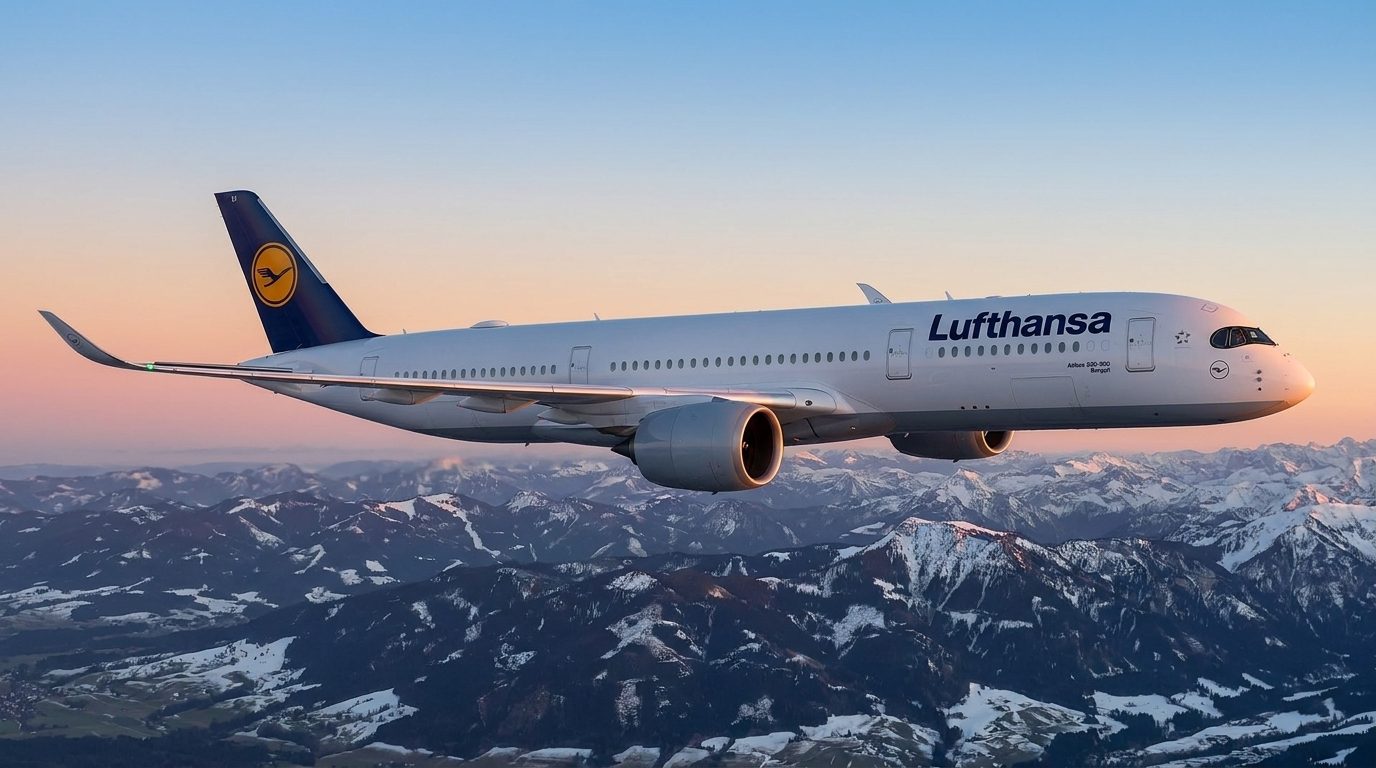
Sources: AeroTime, AFA-CWA. Featured image: AI-generated by AviationShop. By Elena Vargas.


Comments
Loading comments…