



A renewed push to raise the United States' mandatory airline pilot retirement age from 65 to 67 — embodied in the Let Experienced Pilots Fly Act, reintroduced by Representative Troy Nehls — has revived a long-running debate over how long the most experienced captains should be allowed to keep flying. Yet even if Congress lifts the domestic ceiling, a separate international rule could keep the oldest pilots off the very long-haul routes where their experience is arguably most valuable.
Today the Federal Aviation Administration requires U.S. airline pilots to retire at 65. The International Civil Aviation Organization (ICAO), which sets the global standard followed on cross-border services, currently caps pilots flying international commercial operations at the same age of 65. At the 42nd ICAO General Assembly in late 2025, member states weighed raising that international limit to 67, but the proposal did not pass — leaving 65 in place for international flying.
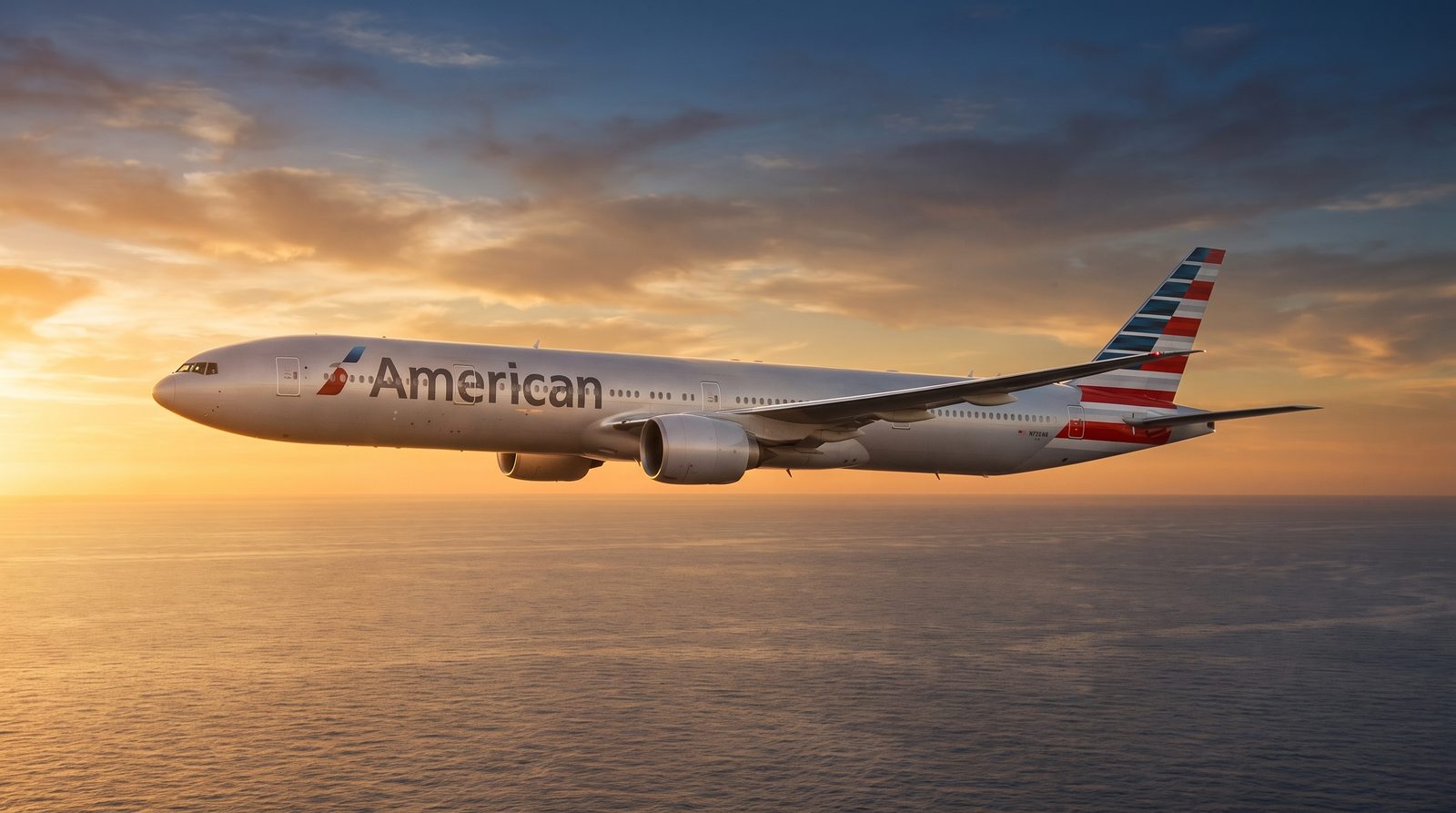
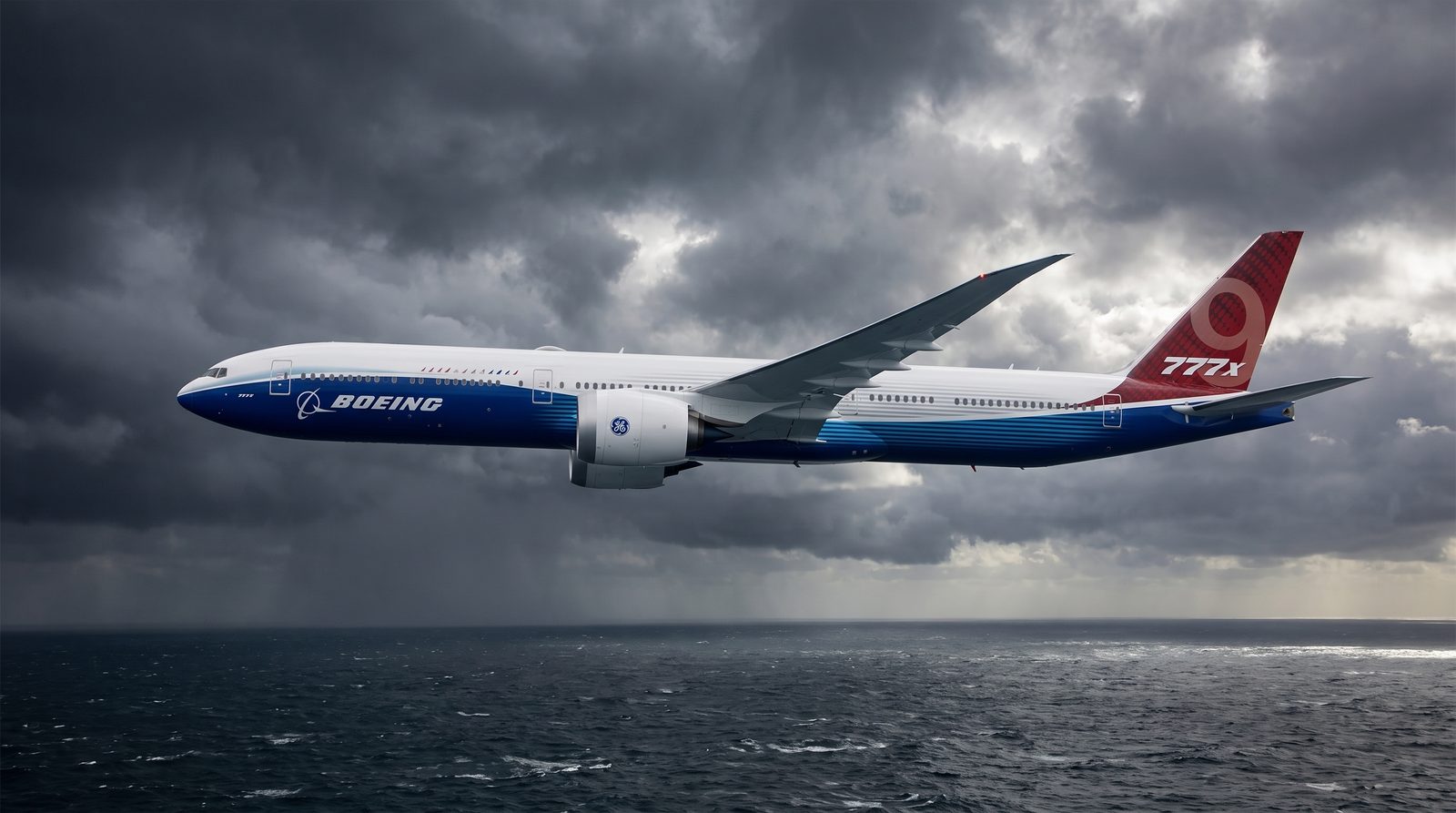
That gap is the crux of the issue. If the United States raised its own limit to 67 while ICAO held the international standard at 65, a captain who continued flying past 65 would effectively be restricted to domestic routes. The transpacific and transatlantic wide-body flying typically handled by the most senior pilots — on aircraft such as the Boeing 777 — would remain closed to them under the international rule, regardless of their FAA certification.
Supporters of a higher retirement age frame it as a way to retain experienced aviators and ease pressure on a stretched pilot pipeline, where mandatory retirements and a lengthy path from first officer to captain have squeezed the supply of senior crews. The catch is that the pilots an airline would most want to keep are frequently its senior international captains. Faced with the prospect of spending their final two years confined to domestic flying, some may simply choose to retire at 65 as originally planned — blunting the very benefit the change is meant to deliver.
For a higher U.S. age to translate into continued long-haul flying, the international standard itself would have to move, and the 2025 ICAO vote suggests that is far from assured. Any change would also need broad agreement among ICAO's member states rather than a unilateral U.S. decision, a process that tends to unfold slowly.
The likely near-term outcome, then, is a two-track picture: a higher U.S. retirement age could keep more pilots in narrow-body domestic cockpits for longer, while the international ceiling continues to determine when the longest, most senior routes come to an end. Unless and until ICAO revisits the question, raising the U.S. limit to 67 would extend domestic careers more than it would preserve international ones.
Sources: Simple Flying, AeroTime. Featured image: AI-generated by AviationShop. By Daniel Okafor.










Comments
Loading comments…