


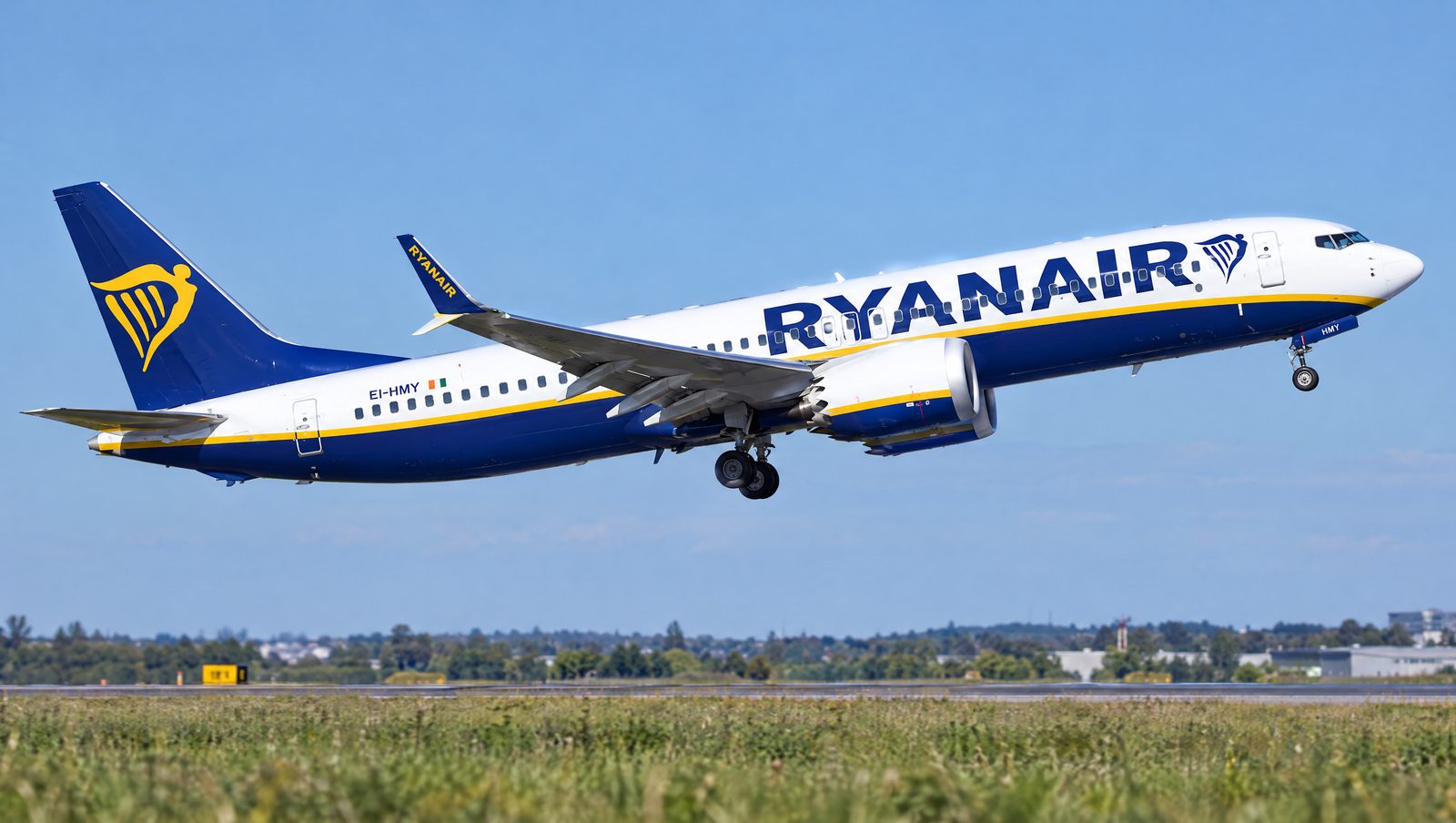
European travellers should expect higher airfares well into 2028 because jet fuel remains about 50% more expensive than before the Iran conflict, Ryanair Group chief executive Michael O'Leary said on 8 October at an Airlines for Europe press conference in Brussels, according to Reuters. He told reporters it was the first time he has publicly warned that the fuel shock could stretch that far into the next calendar year, extending a cost pressure that has already reshaped airline planning across the continent.
Cost crisis into 2027
O'Leary said jet fuel prices are roughly half again as high as before the war and that he expects them to stay near that level for the next 12 to 18 months. Many carriers hedged against swings in 2026, but he argued the squeeze will intensify next year because airlines have far less of their 2027 fuel needs locked in. "We are all facing an enormous cost challenge next year," he said, calling the situation a "full-blown crisis."
He played down fears of an outright European jet-fuel shortage this winter, saying the problem is price rather than availability. Airlines cannot absorb the bill indefinitely, he added, so passengers will pay more. O'Leary has previously suggested summer fares could rise by as much as 20%. Reuters reported that other executives at the same Brussels gathering — including the chiefs of Air France-KLM, Lufthansa, easyJet, Aer Lingus and IAG — have already begun lifting ticket prices to cover fuel.
Industry context
The warning lands after a year in which U.S. carriers alone saw their August fuel bill climb above USD 6 billion as the price per gallon jumped more than 60% year over year. European low-cost carriers, which built their model on thin margins and high load factors, feel the spike even more sharply on short-haul sectors where fuel is a large share of trip cost and competition limits how quickly fares can move.
Hedging can blunt the first months of a shock, but as 2026 hedges roll off, unhedged exposure for 2027 grows. That is the gap O'Leary was pointing to when he told reporters the industry faces an "enormous cost challenge" next year.
Safety discussion on the sidelines
The airline leaders also touched on the recent assault on a flydubai flight in which the co-pilot attacked the captain. Lufthansa CEO Carsten Spohr said no airline can eliminate every risk, while stressing that industry safety standards and pilot mental-health screening remain robust. The executives noted that the last comparable European case was the 2015 Germanwings crash.
What it means for travellers
For leisure passengers booking summer 2027 trips on European low-cost and network carriers, O'Leary's warning is a clear signal that rock-bottom fares are colliding with a prolonged fuel spike. How much of the cost lands in ticket prices will depend on competition on each route, but the industry consensus in Brussels was that higher fuel will keep pressing upward on yields into 2028.
Network carriers with long-haul fleets face a different arithmetic — fuel is a smaller share of a 10-hour sector's cost than of a two-hour hop — but O'Leary's point was aimed squarely at Europe's short-haul market, where Ryanair, easyJet and their peers set the pricing tone for leisure travel.
Comments
Loading comments…