


Vietjet, Vietnam's leading low-cost carrier, is reportedly seeking regulatory approval to establish a new domestic airline operation in Australia, marking a significant expansion of the carrier's regional footprint. The carrier, known for its aggressive fleet modernisation and route development strategy across Southeast Asia, has not yet disclosed specific timelines or operational details for the proposed Australian venture, but the move reflects growing confidence in the airline's ability to replicate its cost-leadership model in mature aviation markets outside its home region.
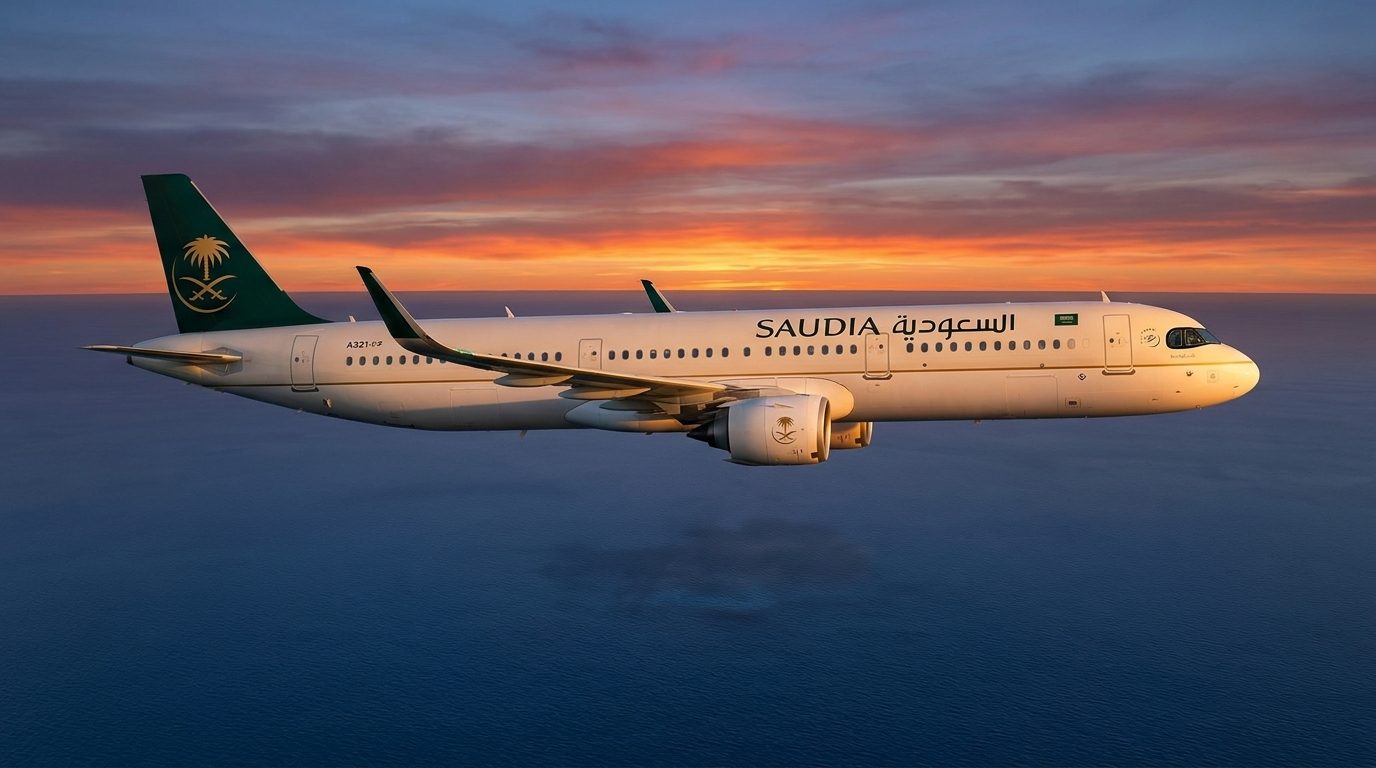
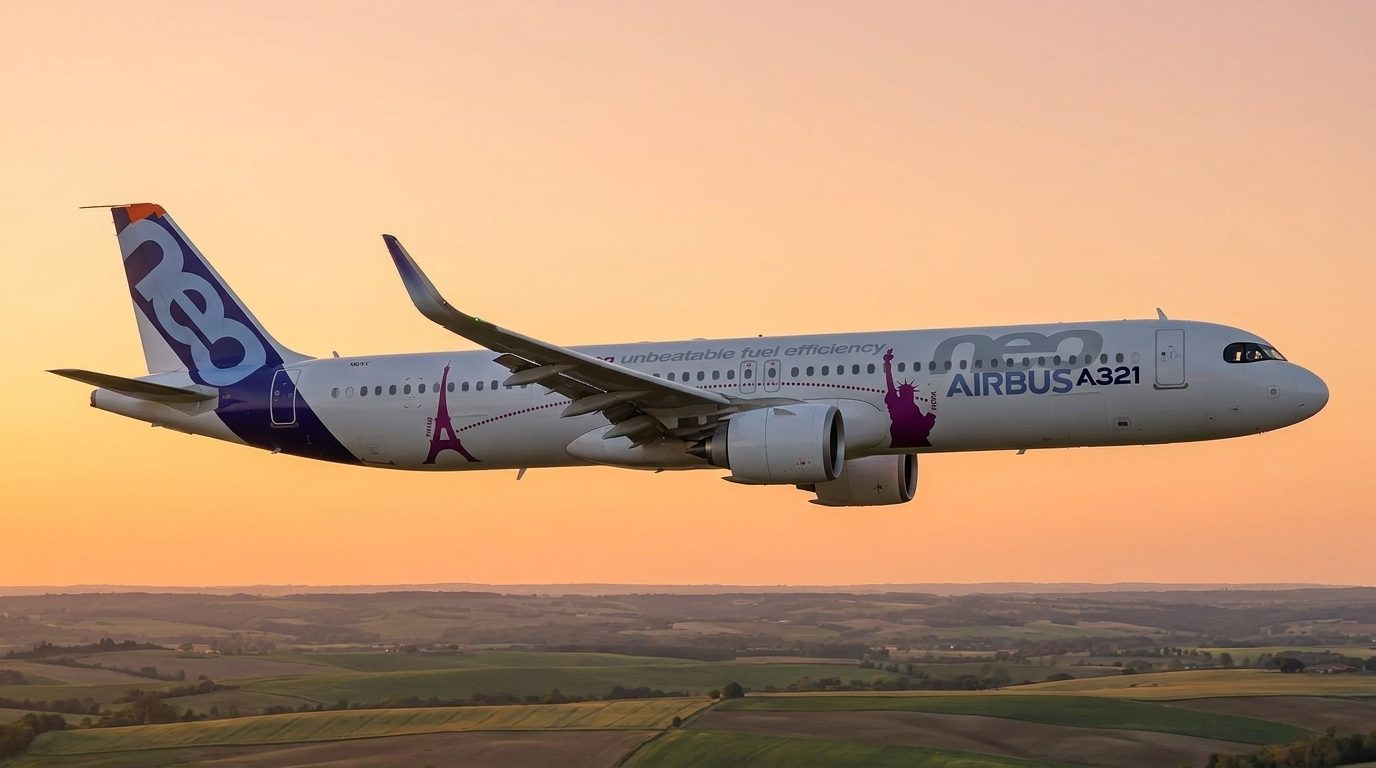
The planned Australian operation would represent Vietjet's most ambitious international expansion to date, building on the carrier's existing long-haul network that already connects Vietnam to several markets beyond Southeast Asia. Vietjet currently operates a mixed fleet predominantly composed of Airbus A320 family aircraft, including the modern A321neo variant, which offers enhanced range, payload, and fuel efficiency compared to earlier generation narrowbody aircraft. The A321neo's extended range and lower operating costs per seat make it well-suited for regional Australian domestic services, particularly on high-demand trunk routes where the aircraft can be efficiently utilised across longer distances typical of Australia's geographical spread.
Australia's domestic aviation market remains one of the world's most competitive and mature sectors, dominated by established carriers with strong brand recognition and extensive route networks. The approval process for a new domestic entrant typically involves detailed scrutiny from the Australian Competition and Consumer Commission and the Department of Infrastructure regarding capacity, competition impacts, and operational safety standards. Vietjet would need to demonstrate compliance with Civil Aviation Safety Authority regulations, secure necessary air operator certificates, and establish local maintenance and crew training infrastructure to support sustained operations.
Vietjet's business model has proven effective across Southeast Asia through a combination of high aircraft utilisation, point-to-point routing, and ancillary revenue generation. The carrier has expanded rapidly since its establishment, moving from domestic Vietnamese operations to regional services and increasingly longer-haul international routes. The airline's modern fleet composition, with a preference for fuel-efficient Airbus aircraft, has enabled competitive unit costs compared to legacy carriers operating older generation equipment on similar routes.
The proposed Australian expansion would require Vietjet to navigate regulatory, operational, and competitive dynamics distinctly different from Southeast Asian markets. Australian carriers have established frequent flyer programs, corporate partnerships, and operational scale that new entrants must overcome. However, the low-cost carrier model has demonstrated viability in Australia through previous entrants, and a well-capitalised operator with regional experience could identify underserved route segments or secondary airports where traditional carriers have limited presence.
Vietjet's application process will likely involve detailed submissions regarding fleet plans, route strategy, financial viability, and safety management systems. The carrier's track record of safe operations, regulatory compliance in multiple jurisdictions, and investment in modern aircraft will be relevant to regulators' assessments. The competitive response from existing Australian operators and the appetite for additional capacity on trunk routes will also influence the regulatory environment surrounding this proposal.
The success of Vietjet's Australian venture, should approval be granted, would depend on establishing operational bases, recruiting and training local crews, securing airport slots or facilities, and building customer awareness in a market where incumbent carriers possess significant advantages. The A321neo fleet would provide flexibility to serve both high-demand trunk routes and potentially support expansion into secondary markets as the operation matures.
Sources: AeroTime, Australian Aviation. Featured image: AI-generated by AviationShop. By Daniel Okafor.


Comments
Loading comments…