


Airbus has laid out a bullish long-term vision for commercial aviation, forecasting demand for around 42,000 new aircraft over the next two decades. The projection, part of the manufacturer's latest Global Market Forecast, underlines just how much the industry still expects to grow despite economic uncertainty and supply-chain pressures.
The headline figure — roughly 42,000 new passenger and freighter jets — covers the twenty-year period ahead and reflects two forces working together: underlying market growth and the need to replace ageing, less efficient aircraft with newer models. A large share of the forecast is tied to fleet renewal, as airlines retire older jets to cut fuel burn and emissions.
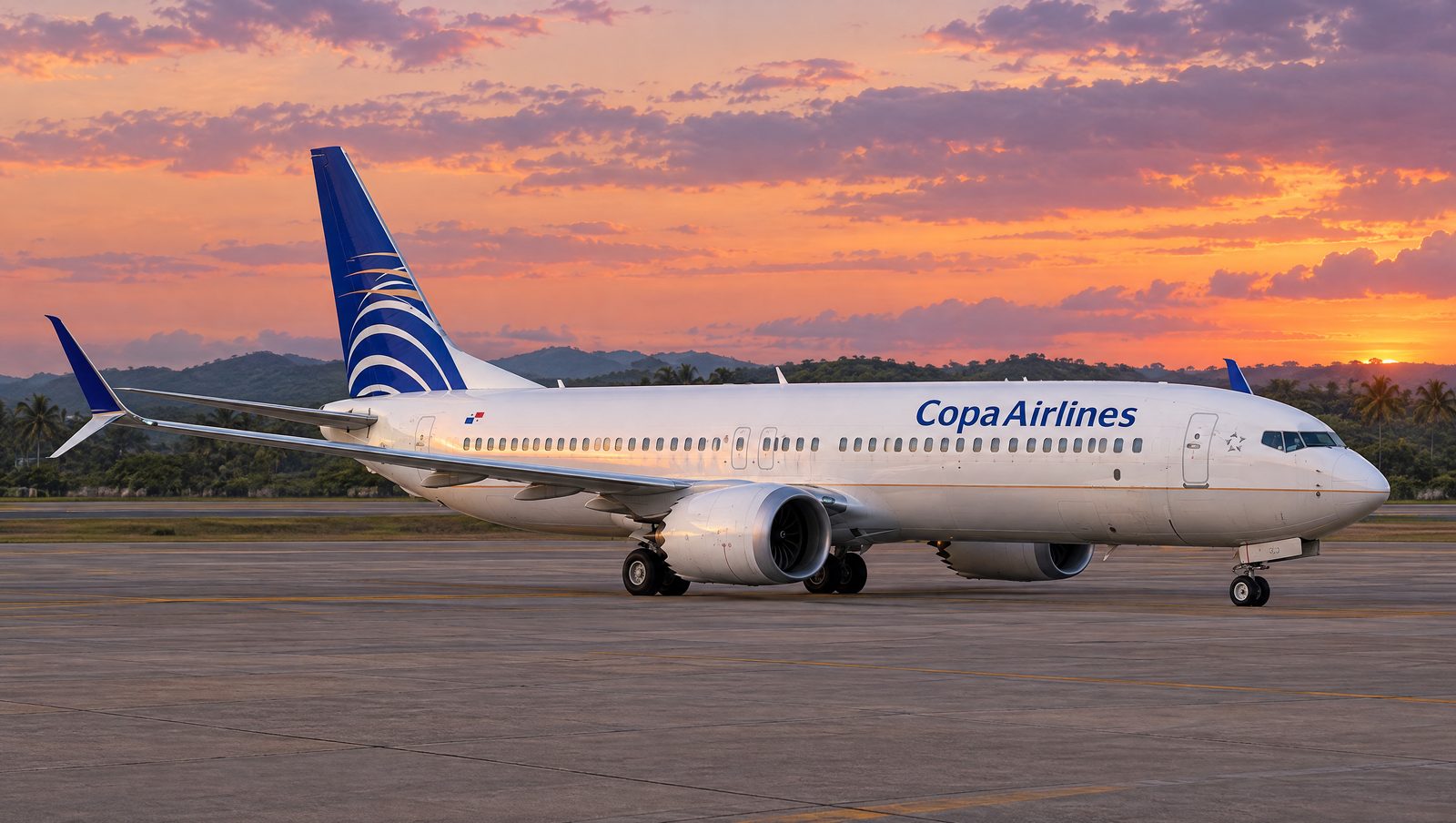
Single-aisle aircraft dominate the outlook. Airbus expects narrow-body jets — the workhorses of short- and medium-haul flying, such as the A320neo family and Boeing's 737 MAX — to make up roughly four out of every five new deliveries. Widebodies account for the remaining share, reflecting steady but more modest growth on long-haul and intercontinental routes.
Behind the numbers is a familiar set of drivers. Airbus points to global economic growth, rising urbanisation, and the continued expansion of the middle class, particularly in Asia, as the engines of future air travel demand. The manufacturer estimates that air traffic will grow at close to 4% per year over the forecast period — a pace that compounds into a dramatic increase in total passenger numbers.
On current trajectories, Airbus expects the number of passengers carried each year to more than double, topping 10 billion annually by the mid-2040s. That growth would require not just more aircraft, but also a substantial expansion in pilots, maintenance technicians, and cabin crew to operate and support the larger global fleet.
Forecasts like these are more than marketing exercises. Both Airbus and Boeing publish 20-year outlooks that shape how the entire supply chain — from engine makers to parts suppliers to training organisations — plans its investments. A projection weighted heavily toward single-aisle jets, for example, signals where production capacity and engineering effort are likely to be concentrated.
Industry observers noted that this year's outlook places even greater emphasis on replacement demand than previous editions. As sustainability targets tighten and fuel costs remain a major line item, the incentive to swap older aircraft for new-generation types grows stronger, even for airlines that are not expanding their overall fleet size.
There are caveats. Twenty-year forecasts assume relatively stable long-term economic growth and cannot fully account for shocks — pandemics, fuel-price spikes, conflicts, or recessions — that can reshape demand in the near term. The aviation industry has repeatedly demonstrated its resilience, but delivery schedules also depend on manufacturers resolving the supply-chain and production bottlenecks that have constrained output in recent years.
Still, the overall message from Airbus is one of long-term confidence: whatever the short-term turbulence, the manufacturer is betting that the world will keep flying in ever-greater numbers, and that tens of thousands of new aircraft will be needed to meet the demand.
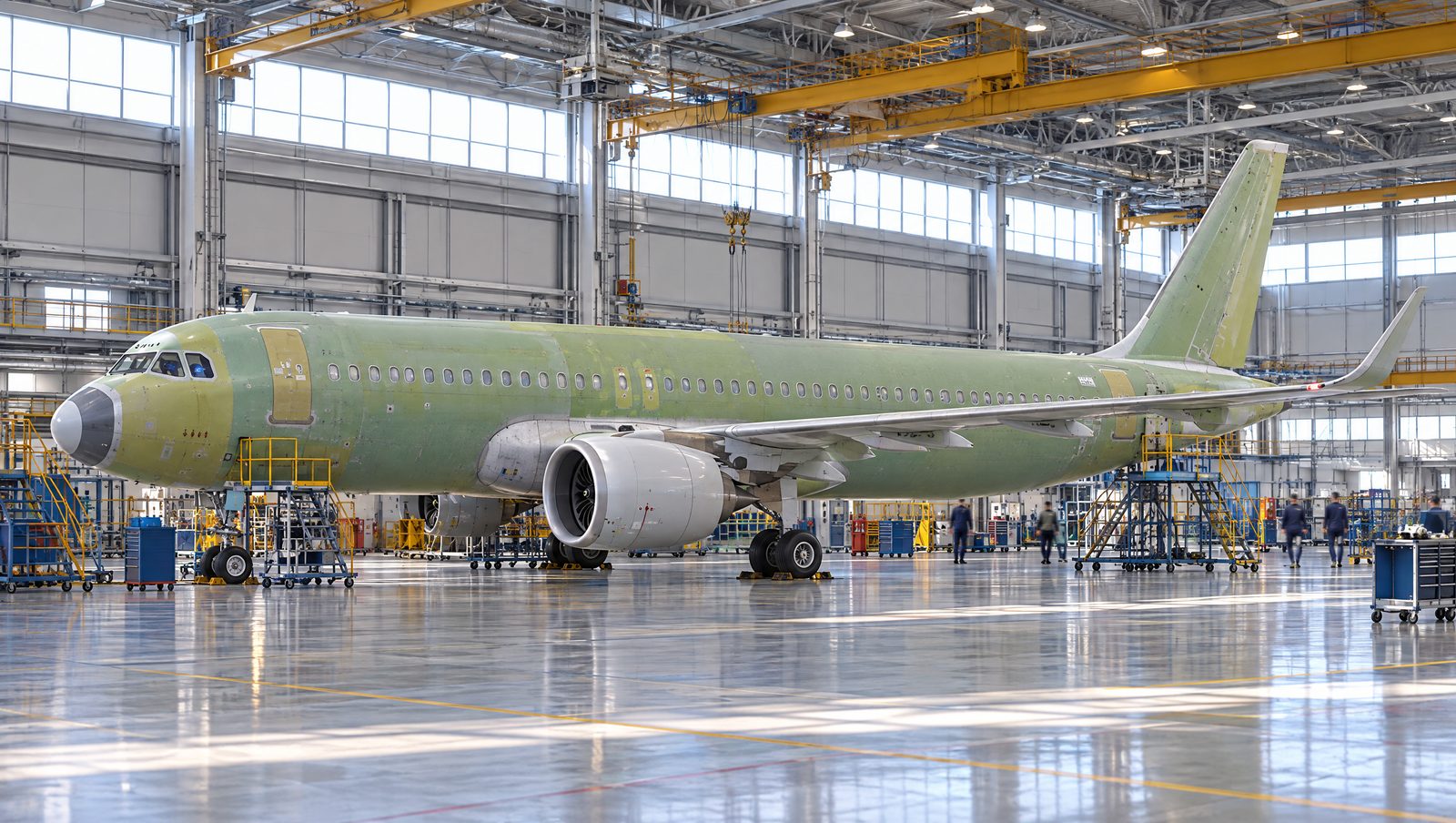
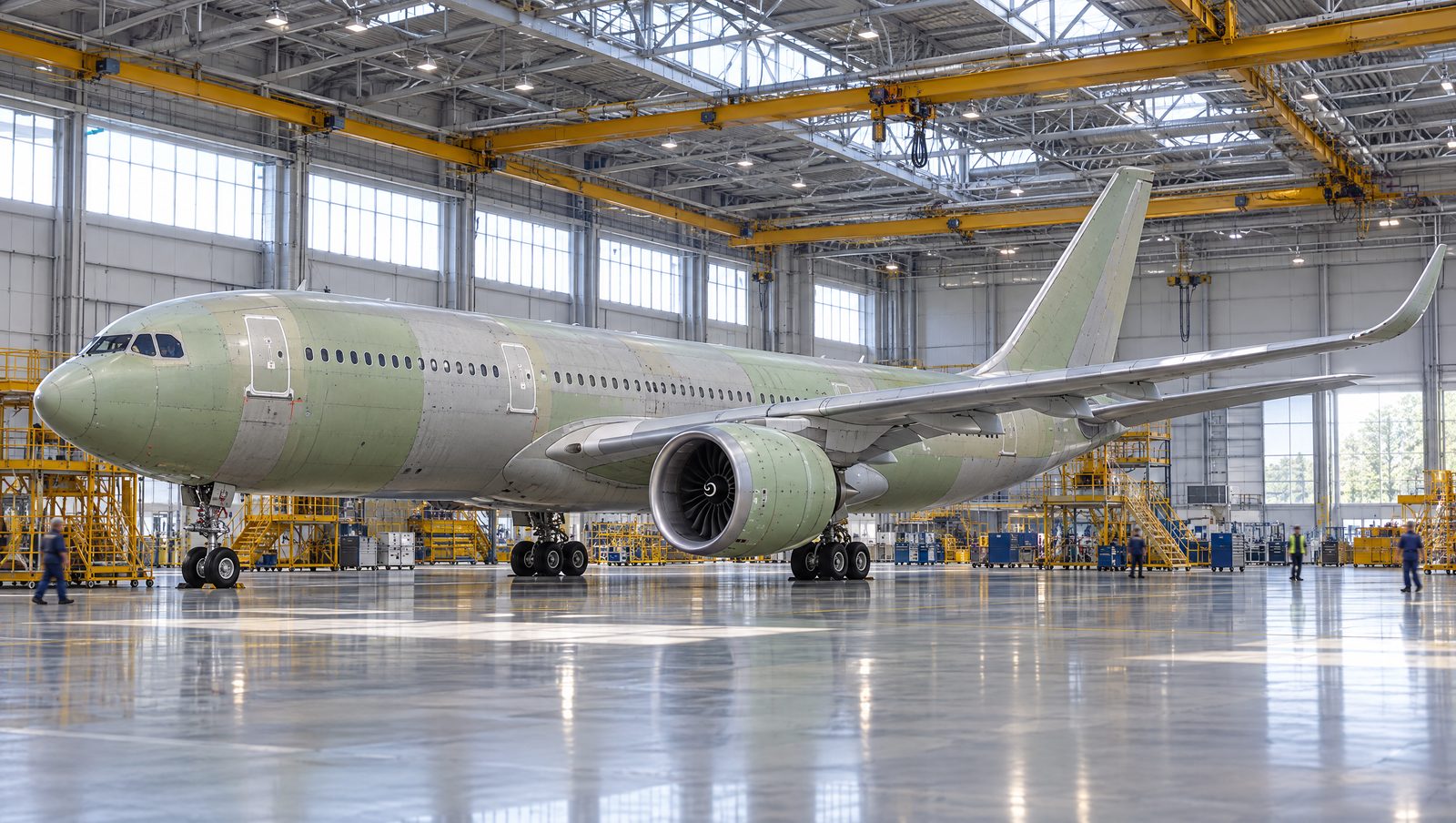
Sources: Simple Flying. Featured image: AI-generated by AviationShop. By Daniel Okafor.


Comments
Loading comments…