


An American Airlines Boeing 737-800 abandoned its departure from Fresno Yosemite International Airport (FAT) on Friday after suffering an engine backfire just minutes after pushback, according to Simple Flying. The jet had been scheduled to fly to American's Dallas/Fort Worth International Airport (DFW) hub, but the flight was cancelled before it reached the runway, and affected travelers were rebooked onto alternative services.
According to flight-tracking data from FlightAware cited in the report, the aircraft never taxied out for departure. Instead it remained parked on the apron after the crew shut the operation down, a precautionary move that kept the jet on the ground where it could be inspected. No injuries were reported.
An engine backfire — often described by those on board as a loud bang or pop, sometimes accompanied by a flash from the exhaust — is typically associated with a compressor stall, in which the smooth flow of air through the engine is momentarily disrupted. While the noise can be alarming, such events are usually contained within the engine and do not pose an immediate threat to the airframe. Flight crews are trained to treat any abnormal engine indication seriously, and cancelling a departure rather than pressing on is a standard, conservative response.
The Boeing 737-800 is one of the most widely operated aircraft in American's fleet, forming the backbone of its domestic narrow-body operation alongside the 737 MAX and the Airbus A320 family. The type is powered by CFM International CFM56 engines, and American flies large numbers of the jets on routes linking secondary cities such as Fresno with its major connecting hubs.
Fresno Yosemite International is a comparatively small airport, and American's service there is geared largely toward funnelling passengers into DFW, from where they can connect across the carrier's network. A cancelled departure at a spoke airport like Fresno can have an outsized effect on travelers, since same-day alternatives are often more limited than at a large hub.
American has not publicly detailed the technical findings behind the backfire, and the report did not specify a cause beyond the event itself or how long the aircraft was expected to remain out of service. Incidents of this nature generally require engineers to inspect the affected engine, review data from the aircraft's monitoring systems, and clear the jet before it returns to revenue flying.
For the airline, the immediate priority in situations like this is re-accommodating passengers with the least possible disruption, which in this case meant moving them onto other flights. For the aircraft, the route back into service depends on what inspections reveal — a routine but time-consuming process that can keep a jet out of the schedule while checks are completed.
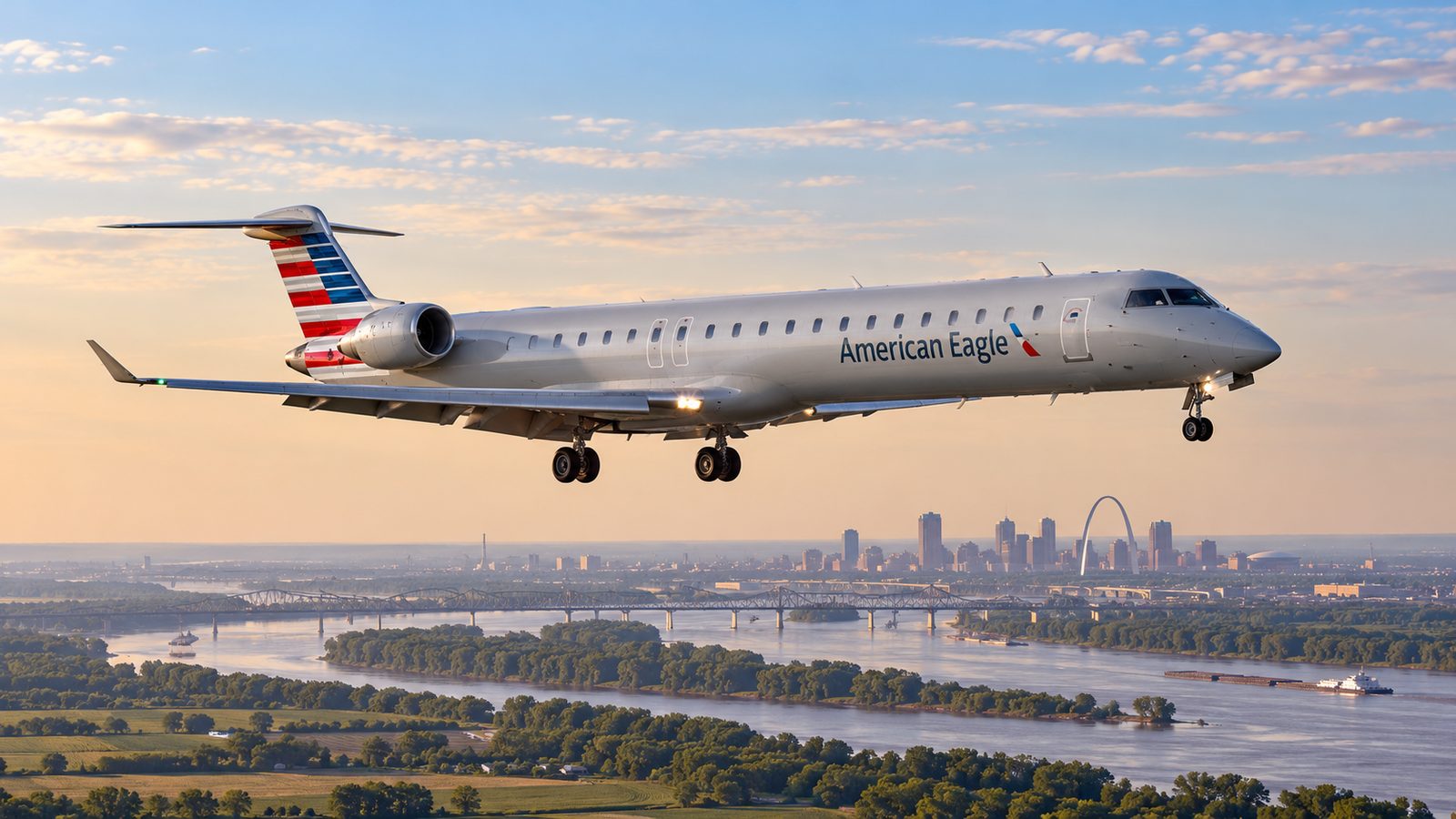
Sources: Simple Flying. Featured image: AI-generated by AviationShop. By Marco Bianchi.


Comments
Loading comments…