


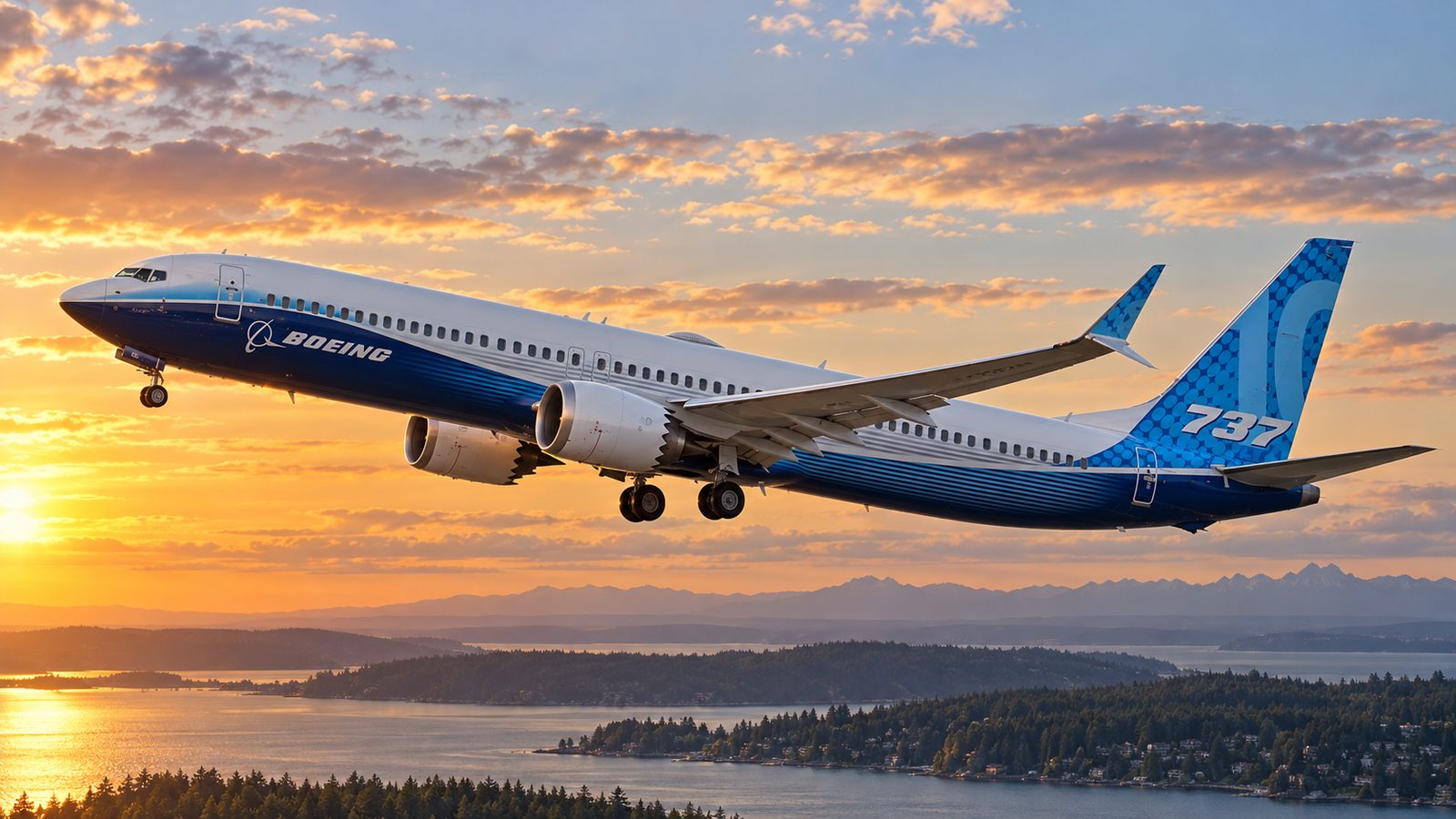
Boeing, Rolls-Royce and Lufthansa are teaming up on a new round of ecoDemonstrator flight tests aimed at improving fuel efficiency and cutting aircraft noise. The three companies announced the venture on July 16, 2026.
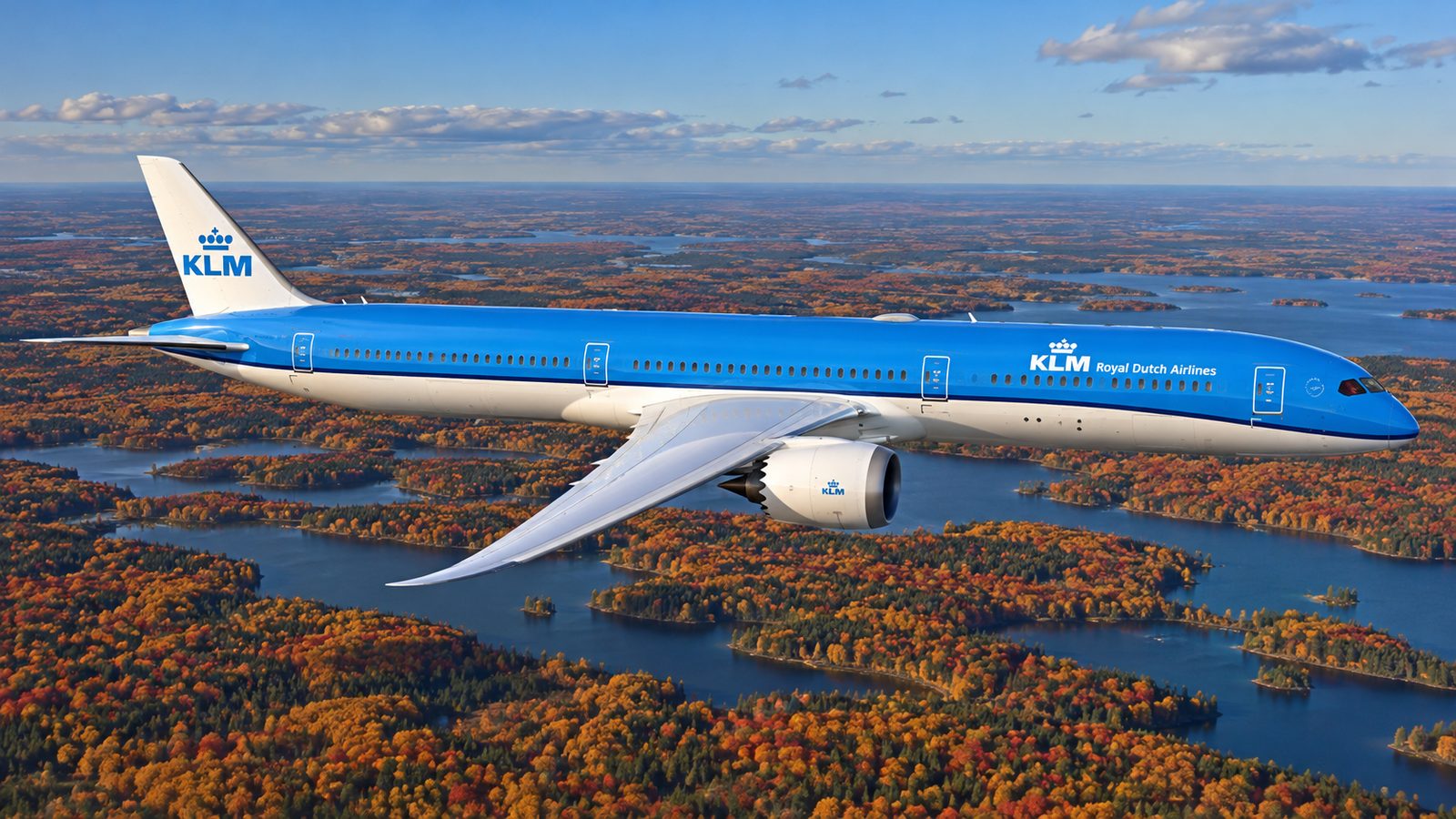
The testing will be carried out on a Boeing 787-9 Dreamliner serving as Boeing’s 2026 ecoDemonstrator Explorer. The aircraft is powered by Rolls-Royce Trent 1000 engines and is scheduled to be delivered to Lufthansa at a later date. Flights will operate out of Boeing’s site in Glasgow, Montana, beginning in August 2026 and running through the middle of that month.
At the center of the program is a next-generation engine inlet — a reduced-length inlet demonstrator fitted with advanced acoustic treatments. According to Rolls-Royce, the design “enables the integration of more fuel-efficient engines onto future platforms and reduces weight as well as drag while maintaining the acoustic performance.”
The tests will also evaluate modified departure and arrival procedures, including so-called Intelligent Operations flight paths. These routes are generated algorithmically from multiple data sources to identify opportunities for fuel savings and to reduce community noise around airports.
The collaboration draws on each partner’s role in the wider industry: Boeing as the airframer, Rolls-Royce as the engine maker providing engineering support and oversight for operating the powerplant with the new inlet, and Lufthansa as the future operator of the test aircraft. Bringing an airline into the program helps ensure the technologies are evaluated against real-world operational needs rather than in isolation.
Boeing has run its ecoDemonstrator program since 2012, using in-service and near-delivery aircraft to move new ideas out of the laboratory and into operational flight testing. Across that time the program has trialed more than 260 technologies spanning safety, fuel burn, emissions, noise and the passenger experience, with the most promising concepts feeding into future aircraft and engine designs.
Efforts like the next-generation inlet reflect the broader push across aviation to squeeze more efficiency out of existing airframes and engines while quieter operating procedures address the community-noise concerns that increasingly shape how airports and airlines operate. With the flights set to wrap up by mid-August, results from this year’s campaign will help determine which technologies advance toward wider use.
Sources: AeroTime, Airways. Featured image: AI-generated by AviationShop. By James Holloway.


Comments
Loading comments…