


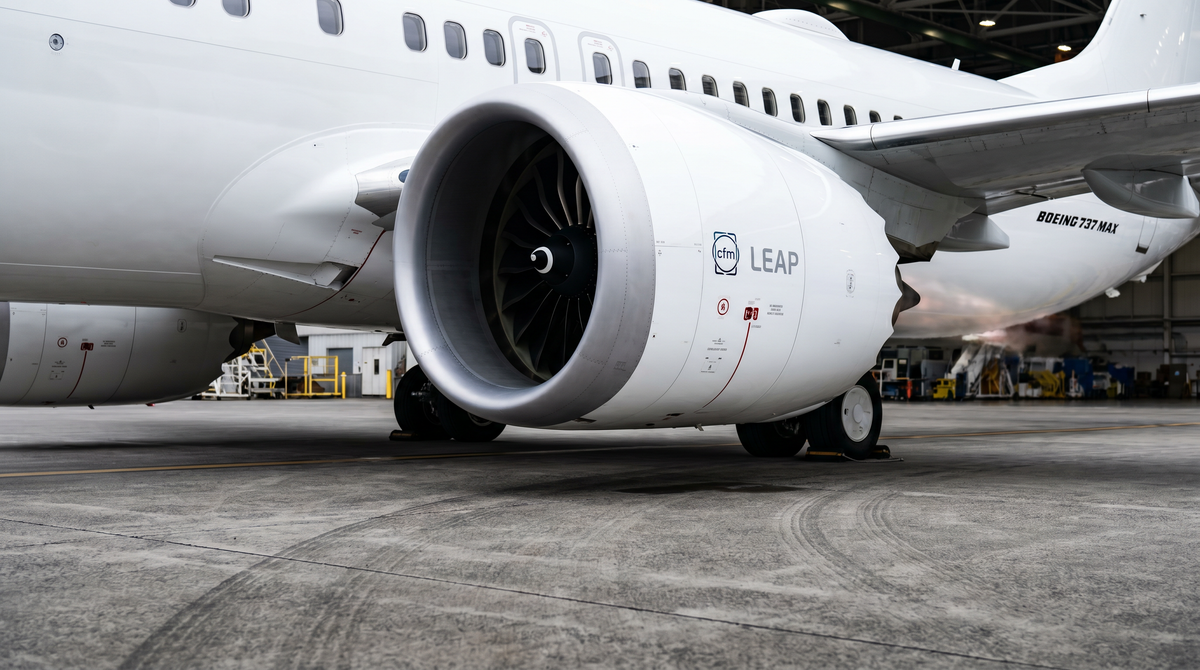
Boeing has achieved a significant production milestone, clearing regulatory and supply chain requirements needed to ramp up 737 MAX output to 47 jets per month. The manufacturer's ability to meet this ambitious target demonstrates progress in stabilizing its supply chain and satisfying Federal Aviation Administration oversight following years of production constraints and quality challenges that plagued the program.
The 737 MAX remains Boeing's workhorse narrow-body aircraft and one of aviation's most critical commercial platforms. Reaching 47 monthly deliveries represents a substantial increase from current production rates and reflects growing demand from airlines worldwide. This capacity boost is essential for Boeing to address its backlog of thousands of orders while maintaining competitive delivery schedules against Airbus and other competitors.
Achieving this production rate required Boeing to overcome multiple operational hurdles, including supply chain resilience, workforce capacity, and quality assurance processes. The company's success in meeting these benchmarks underscores management's commitment to restoring confidence in the 737 MAX program following the 2018-2019 crashes and subsequent grounding that lasted nearly two years.
For airlines awaiting 737 MAX deliveries, accelerated production offers relief from extended lead times. Increased monthly output also signals Boeing's confidence in sustained demand for the aircraft type, which has proven popular with carriers seeking fuel efficiency and modern avionics on popular short-to-medium haul routes.
Compiled from publicly available aviation news sources. Featured image: AI-generated by AviationShop.









Comments
Loading comments…