


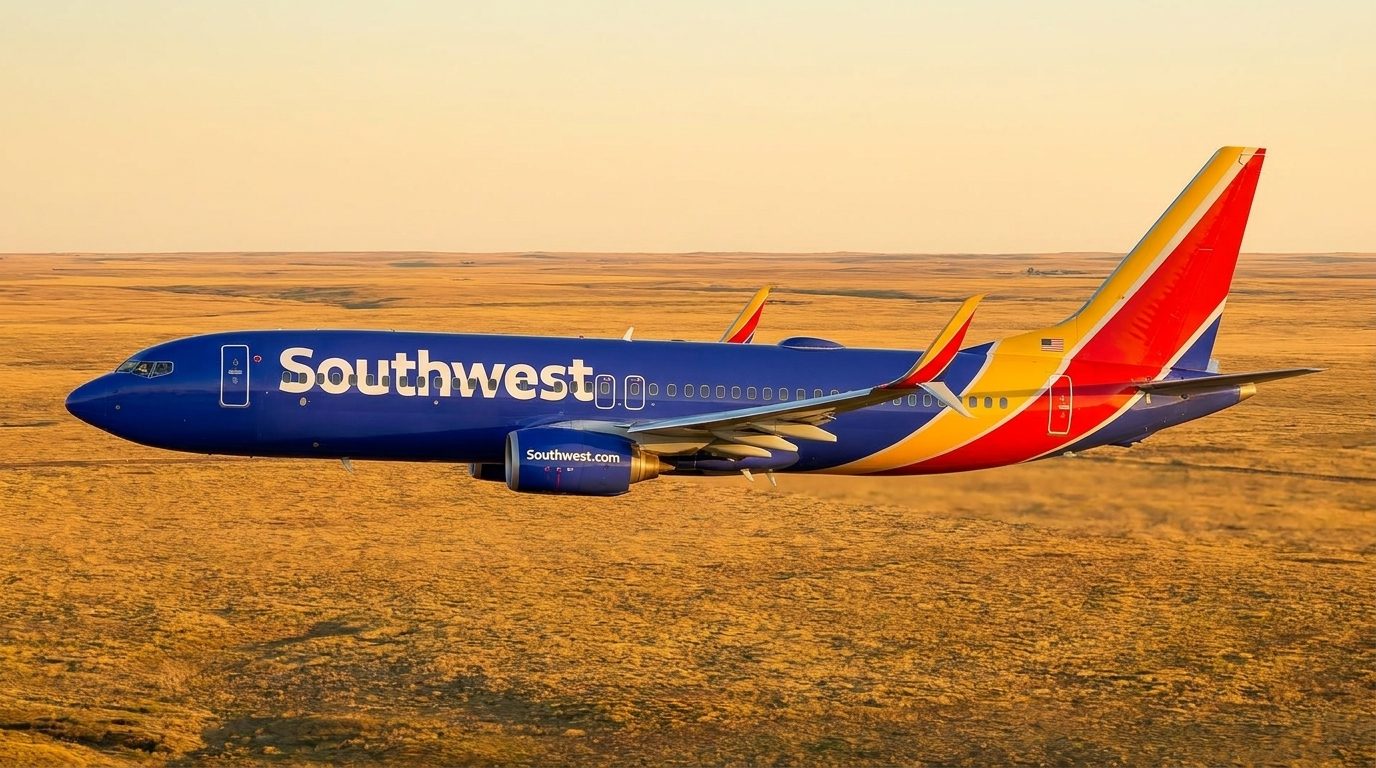
Boeing has told operators about a software glitch in certain Boeing 737 MAX flight-management computers that can drop automated vertical navigation during a specific missed-approach scenario, and the Federal Aviation Administration said on September 26, 2026, that it is assessing the issue. The problem sits in FMS software versions U.14 and U.14.1. In rare cases after a go-around on a precision approach with autopilot engaged, if the crew changes the pre-programmed route, VNAV can disengage and fall back to a simpler pitch mode.
Boeing said it informed all 737 operators last month, reinforced existing pilot procedures for handling the case, and is writing a permanent software fix. The company told CBS News and CNBC that pilots are trained to land without VNAV and that autopilot can remain available even if vertical navigation drops. Boeing’s initial bulletin pointed to updated pilot guidance around November and a software fix sometime in 2028, while the manufacturer works with airlines on a formal way to re-enable automated vertical navigation if the scenario occurs.
The FAA said it is aware of the potential issue in a software update for certain MAX flight computers, is working with Boeing and the airlines, and will convene a Corrective Action Review Board. The agency said it will take immediate action if it identifies a safety concern. Reporting by CBS News said Boeing first heard of the issue from an airline in November 2024, initially judged it not an immediate safety issue in February 2025, then opened a formal safety review after later operator reports; board findings went to the FAA this month.
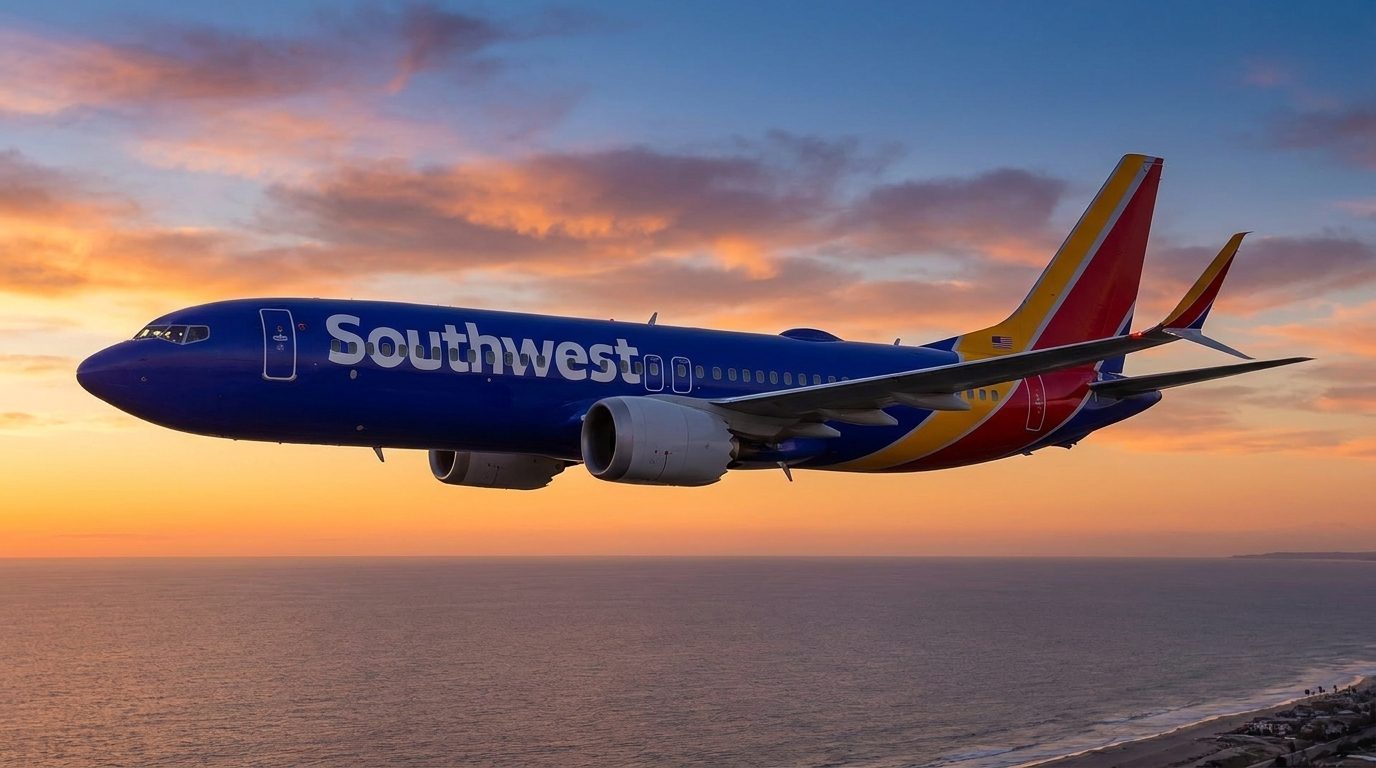
U.S. carriers say the glitch is not in their in-service MAX 8 and MAX 9 fleets. Southwest Airlines, the world’s largest 737 operator, told CNBC none of its fleet carries Version U.14, including new MAX 8 deliveries, and that it is engaged with Boeing and the FAA. United Airlines said it is not taking MAX deliveries with the new software. Alaska Airlines, American Airlines, Southwest and United told CBS News their in-service MAX fleets do not use the affected version. Southwest and United have asked Boeing for earlier software on new deliveries instead of U.14/U.14.1.
Questions remain around the MAX 7 and MAX 10. The FAA certified the MAX 7 in early August with the newest software installed, and it is unclear whether those jets can ship or fly on an older load. The MAX 10, which Alaska Airlines expects as launch customer for spring 2027 passenger flying, was using U.14.1 in certification testing. FAA review of the glitch could affect how quickly that paperwork closes. Cirium data cited in coverage puts about 2,430 MAX aircraft in global service.
Boeing stressed that the bulletin does not describe an immediate safety issue and that manual procedures already cover the case. Airline sources quoted by CBS News still worry about workload if automation steps down in a busy low-altitude missed approach. Until CARB finishes and Boeing fields the permanent fix, the practical checklist for operators is the August bulletin, the November procedure update Boeing promised, and the refusal by some U.S. carriers to accept U.14 on new jets.
Readers should separate this FMS navigation glitch from the older MCAS design that contributed to the 2018–2019 MAX crashes. Those systems are different. The September 26 disclosures are about automated vertical guidance after a missed approach on specific software builds, not a repeat of that earlier control-law story.
Sources: CNBC (Sep 26, 2026); CBS News (Sep 26, 2026); Simple Flying (Sep 27, 2026); Wall Street Journal report as cited.

Comments
Loading comments…