


Boeing is sending its first production Boeing 777-9 on an 11-hour test flight toward the North Pole, marking a significant milestone in the aircraft's path toward certification and delivery to operators. The flight represents a critical validation phase for the longest and largest twin-engine commercial jet in the world, putting the aircraft through demanding conditions and environmental extremes to demonstrate its capability and safety across the full envelope of anticipated operational routes.
The 777-9 is the stretched variant of the 777X family, featuring a stretched fuselage that allows it to seat roughly 400 or more passengers depending on configuration. The aircraft is powered by General Electric GE9X engines, among the largest and most powerful commercial jet engines ever built and developed specifically for the 777X family. The North Pole routing specifically challenges the aircraft's systems, avionics, and structural integrity in extreme cold-weather conditions while also validating performance at high latitudes where magnetic compass variations and communication protocols differ significantly from equatorial routes.
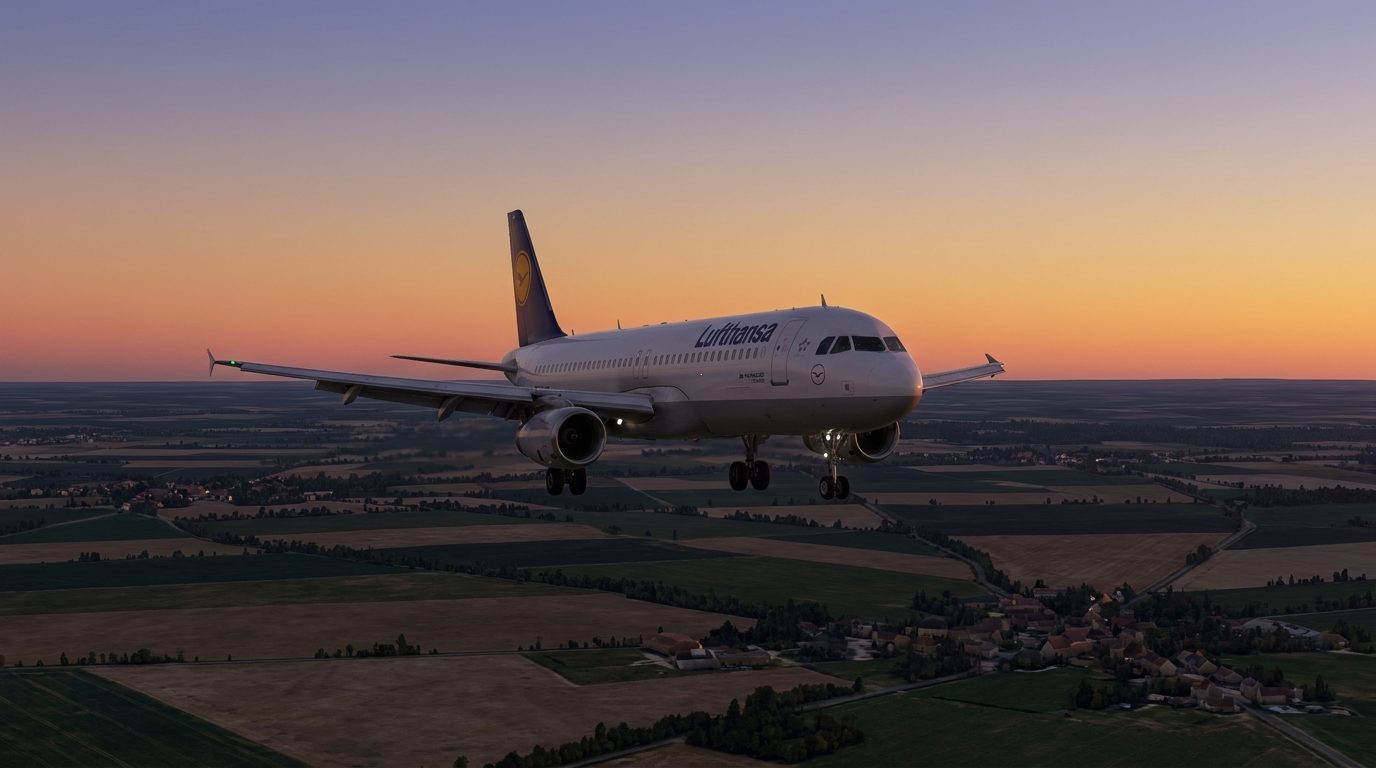
This particular airframe is the first from production build serial numbers destined for Lufthansa, the German flag carrier that has committed to operating the 777-9 on long-haul routes from its Frankfurt and Munich hubs. Lufthansa's order for 777-9 aircraft reflects the manufacturer's confidence in the aircraft's economics and long-range capability, which is rated for ultra-long-haul range—sufficient to connect major European cities with distant Asian and North American destinations on a single flight. The carrier's selection of the 777-9 over competing widebody options positions it as an anchor customer for the program's profitability and market momentum.
Arctic and polar routing validation has become increasingly important for modern long-haul aircraft as airlines seek operational flexibility and schedule efficiency. Flights crossing the North Pole can reduce transit time by several hours on routes between Europe and Asia, directly improving fuel economy and crew scheduling. Regulatory authorities including the FAA and EASA require specific certification demonstrations for Polar operations, including validation of navigation systems, communication redundancy, and emergency procedures in regions where satellite coverage, weather radar, and diversion airport options are limited. An 11-hour test flight allows Boeing engineers to collect extensive data on engine performance, environmental control systems, cabin pressurization, and avionics function under sustained high-altitude cruise conditions in the Arctic environment.
The 777-9 program has been in development since its launch in 2013, with first flight occurring in early 2020. Certification timelines have extended beyond initial projections, with regulatory review of new technologies including advanced composite wing structures and the GE9X engine powerplant requiring comprehensive analysis and flight validation. Each production aircraft test flight contributes empirical data that supports both type-certification efforts and airline-specific operational approvals.
The milestone underscores Boeing's commitment to delivering an aircraft that meets the performance, efficiency, and operational demands of global network carriers. As the 777-9 progresses through its test flight program, successful completion of challenging environmental routes such as the Polar circuit strengthens the certification case and demonstrates the aircraft's readiness for the demanding long-haul missions that define the widebody market.
This test flight also reflects the aviation industry's broader emphasis on sustainability and efficiency; the 777-9's aerodynamic design, engine technology, and weight reduction through composite structures are engineered to reduce fuel consumption and emissions compared to earlier widebody generations. For operators like Lufthansa, certification and delivery of the 777-9 represent access to aircraft technology that directly improves environmental performance on their most fuel-intensive routes while maintaining the passenger comfort and cargo flexibility demanded by premium long-haul markets.
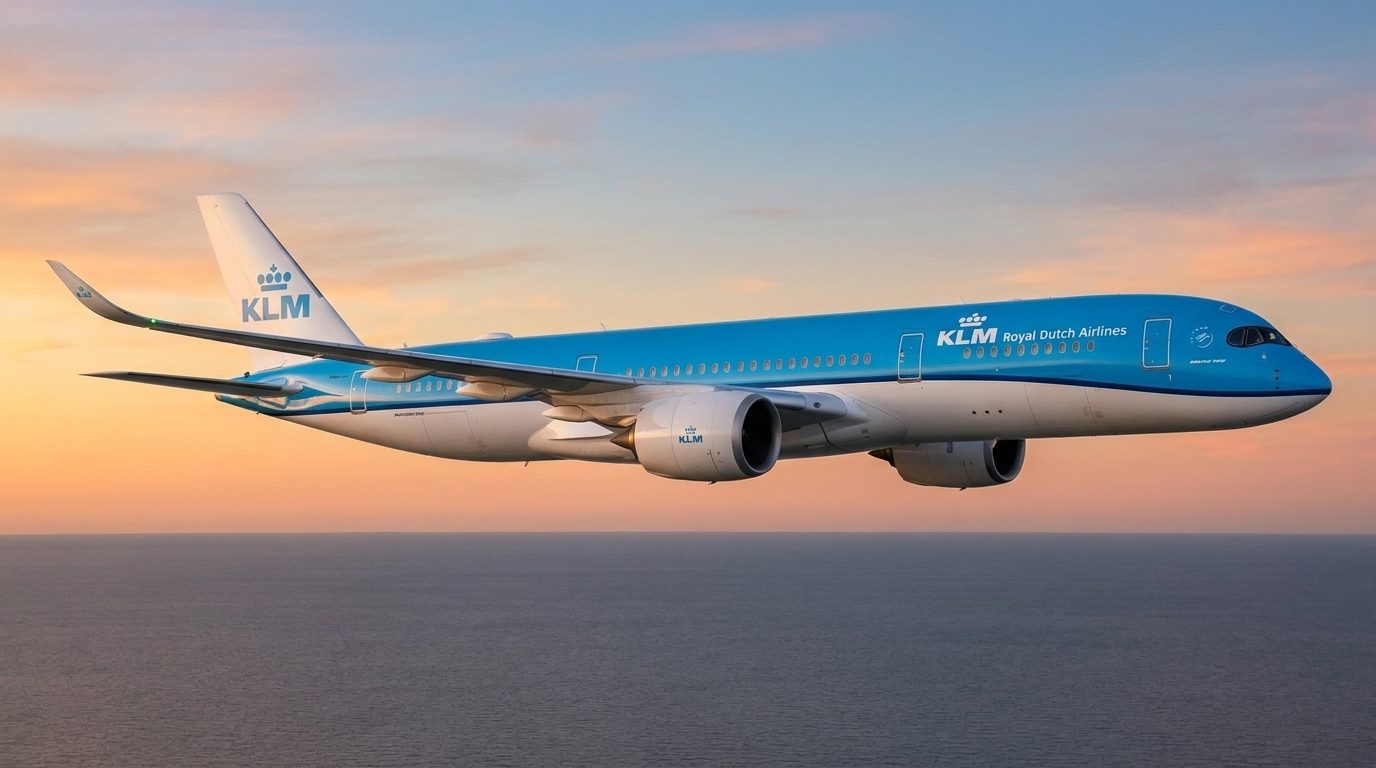
Sources: Simple Flying, AeroXplorer. Featured image: AI-generated by AviationShop. By Marco Bianchi.






Comments
Loading comments…