


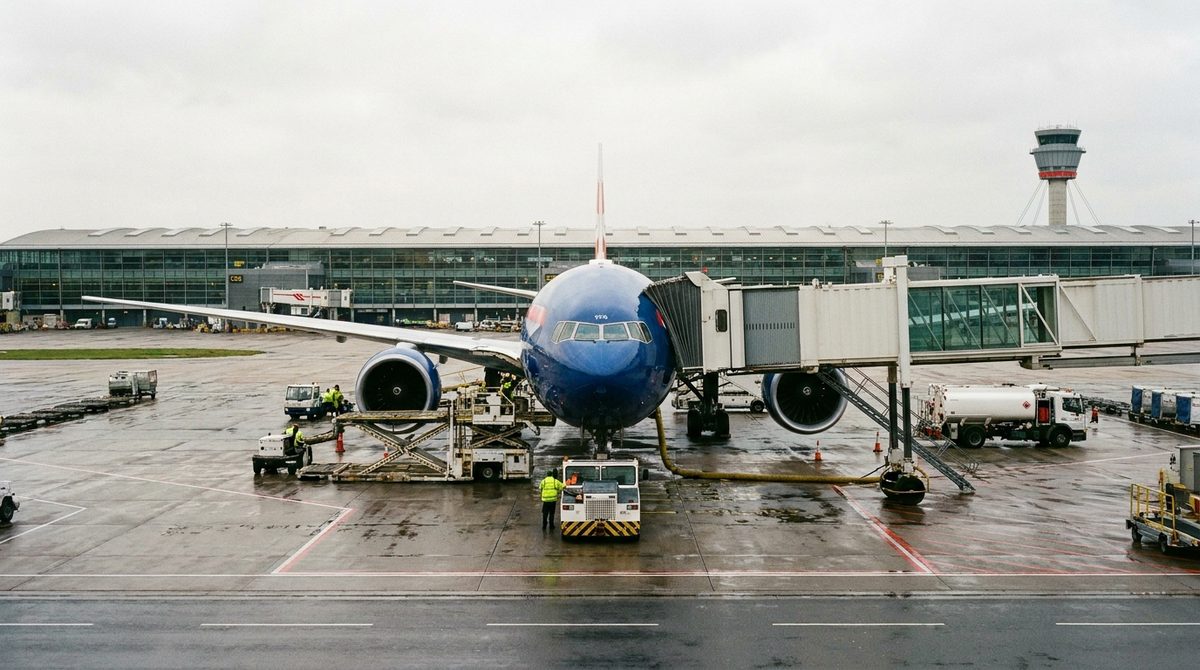
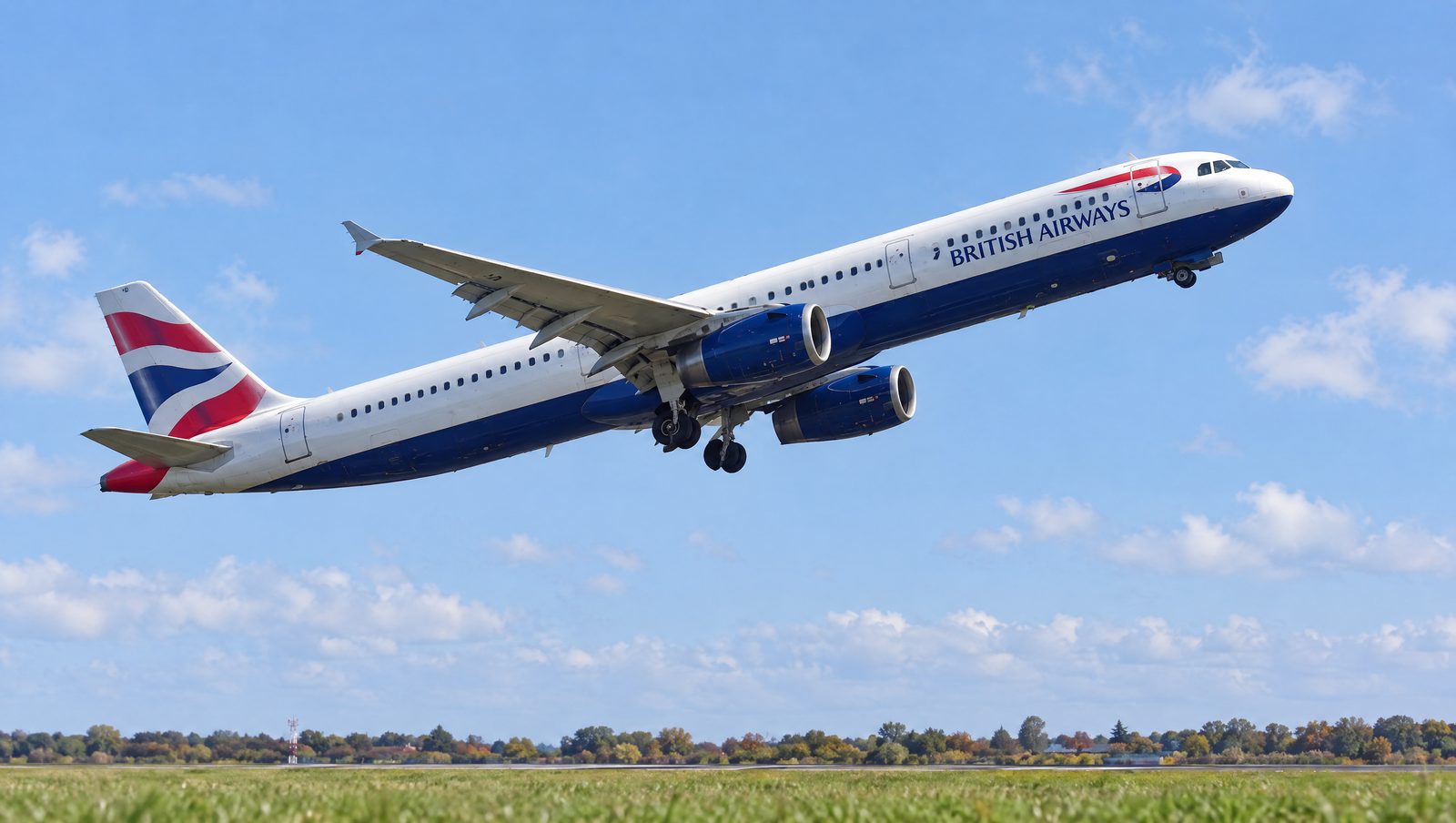
British Airways has made it a contractual offence to photograph, film, or live-stream cabin crew without their express consent, updating its General Conditions of Carriage in a move that transforms what was previously a matter of crew discretion into a binding legal obligation backed by criminal prosecution threats.
The revised conditions, confirmed in late April 2026, give British Airways the authority to remove offending passengers from the aircraft, cancel all remaining sectors on their ticket, and refer the incident to law enforcement for potential criminal charges. The policy applies not only to smartphones and traditional cameras but also extends to wearable recording devices including Meta AI smart glasses, GoPro cameras, and other body-mounted equipment.
What Passengers Can And Cannot Film
The updated rules draw a clear line between acceptable and prohibited recording. Passengers remain free to photograph their own meals, capture window views, and take selfies, provided no crew members or fellow passengers are visible in the frame without their permission. What is no longer tolerated is any recording of cabin crew during service interactions, disputes, or routine duties without the crew member explicitly agreeing to be filmed.
British Airways will also adopt pre-flight public address announcements reminding passengers of the recording restrictions, a practice already standard at KLM Royal Dutch Airlines, which makes a similar announcement at the start of every flight.
An Industry-Wide Shift
British Airways is far from alone in tightening the rules around onboard filming. Qantas, KLM, and Virgin Australia have all introduced or reinforced comparable policies in recent years, reflecting an industry-wide response to a surge in passengers secretly recording crew members. These recordings, frequently posted to TikTok, Instagram, and YouTube, have led to a documented rise in crew harassment complaints and a growing sense among flight attendants that their workplace has become a stage for content creation.
Cabin crew unions across multiple airlines have been vocal in pushing for stronger protections, arguing that the right to a dignified work environment outweighs any passenger's desire to document their travel experience. The British Airline Pilots Association and the Unite trade union have both publicly supported the updated British Airways policy.
Impact On Aviation Content Creators
The tightening restrictions carry significant implications for the aviation content creation community. Travel vloggers, aviation enthusiasts, and review channels that regularly produce cabin walkthroughs and service reviews will need to obtain explicit permission before including any crew members in their footage. Airlines have indicated that professional media requests will still be considered on a case-by-case basis, but spontaneous filming of crew interactions during regular flights is now firmly off-limits on an expanding list of carriers.
For passengers who violate the rules, consequences range from formal warnings and offloading at the next port of call to lifetime bans from the airline and criminal referrals. British Airways has confirmed that its crew are now trained to issue formal warnings as a first step, with escalation protocols that can result in the captain diverting the aircraft if a passenger refuses to comply.
The trend shows no sign of slowing down. Industry observers expect additional airlines to adopt similar policies throughout 2026, particularly in Europe and the Asia-Pacific region, as regulators and unions continue to press for stronger crew protections. For now, the message from airlines is clear: think before you film. The days of quietly recording cabin crew and uploading the footage to social media are drawing to a close across an increasing number of carriers worldwide.
Compiled from publicly available aviation news sources. Featured image: AI-generated by AviationShop. This article is original editorial content; facts have been verified across multiple public sources.


Comments
Loading comments…