


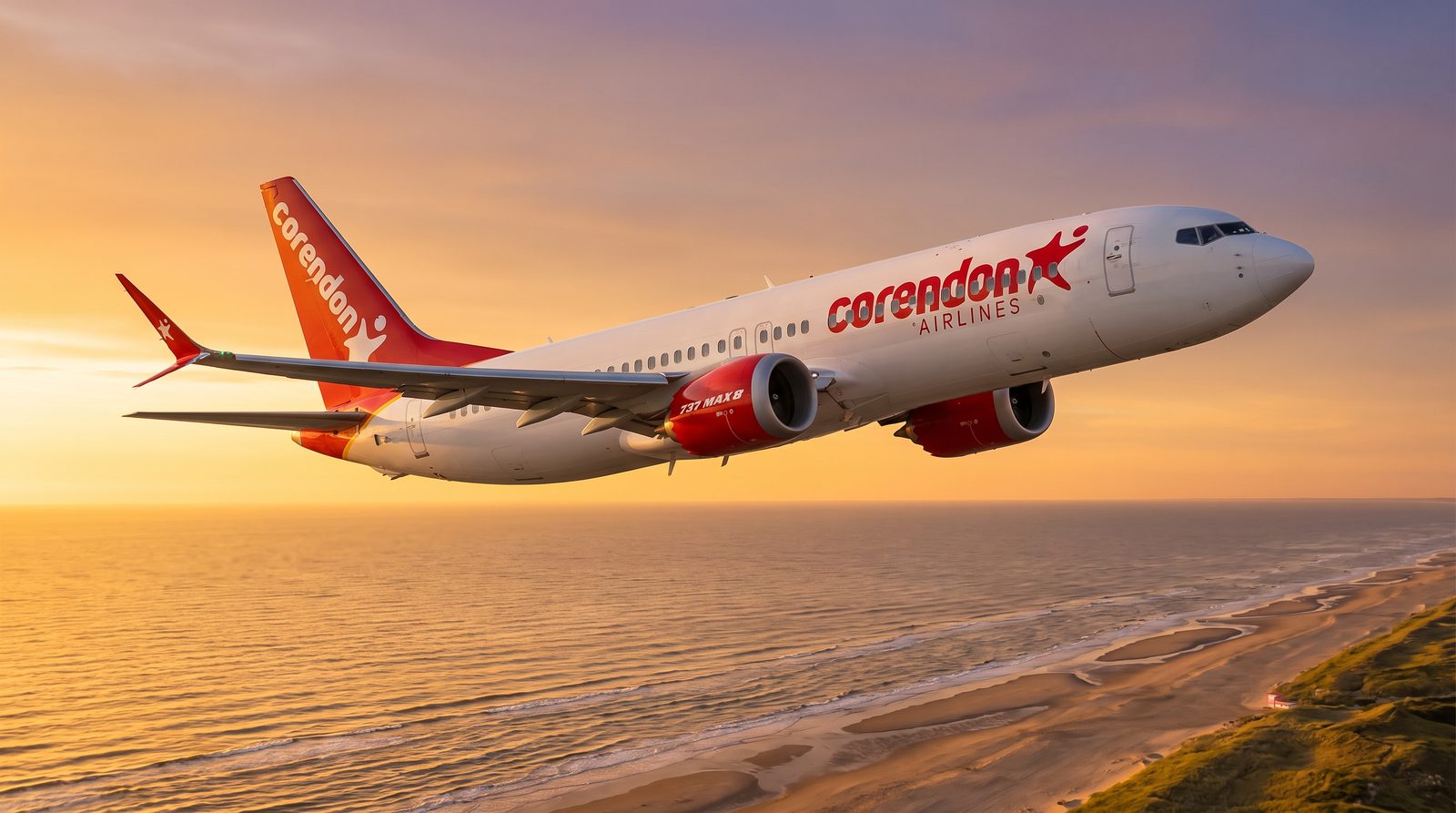
Leisure carrier Corendon is cutting its flying fleet by about a third this winter as high jet fuel prices force a sharper focus on profitable routes, according to FlightGlobal and aeroTELEGRAPH reporting based on comments from commercial chief Paul Schwaiger.
Corendon and its Turkish, Maltese and Dutch airline units operated about 28 owned aircraft plus two wet-lease frames in summer 2026. Schwaiger said the group plans to enter the next summer with roughly 21 aircraft and about one-fifth less capacity, unless bookings recover enough in January and February to justify a late upward revision.
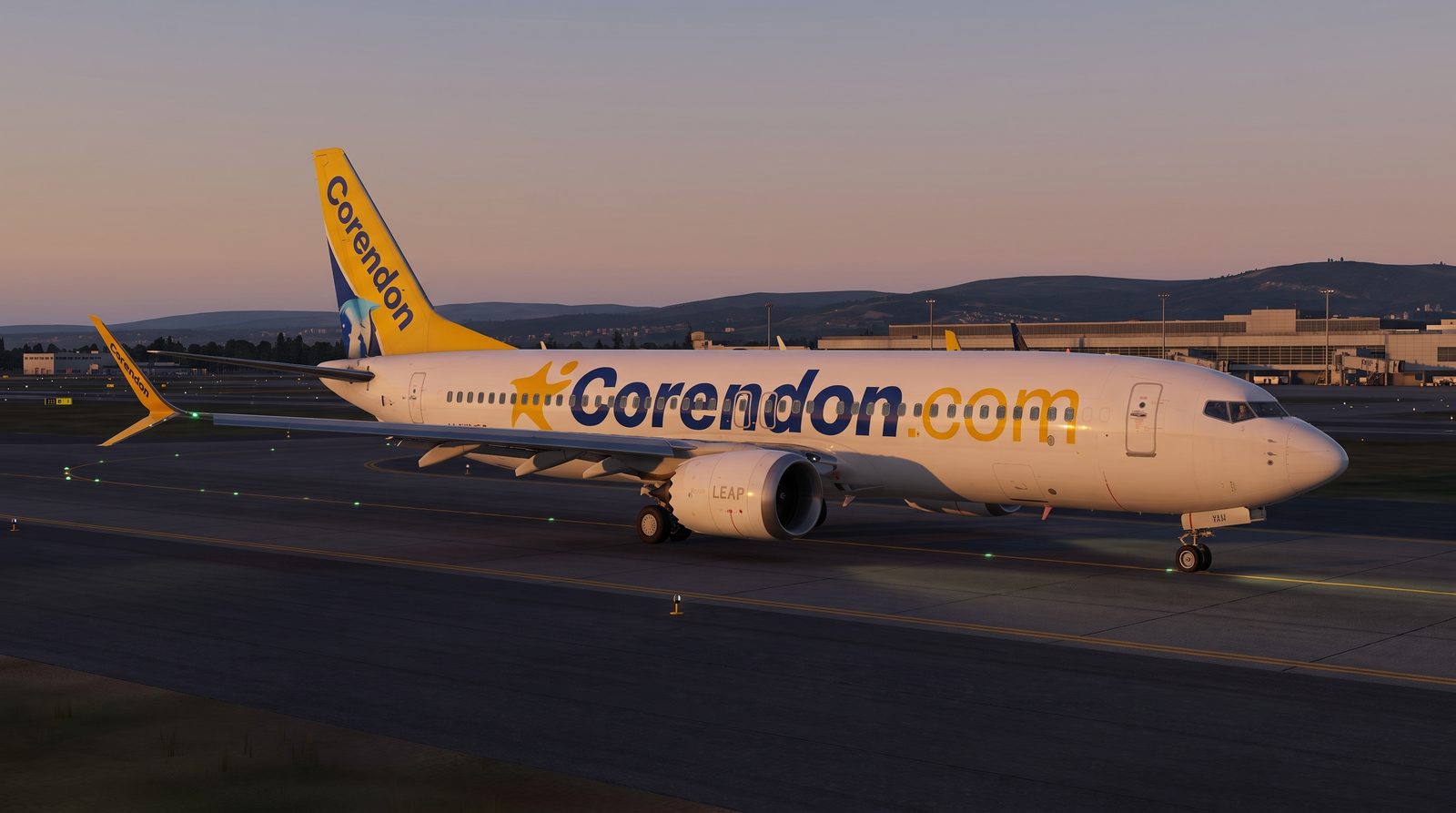
The fleet reduction is being achieved mainly by not renewing expiring leases rather than selling cores mid-lease. Corendon expects to be down to 21 aircraft by the end of October. The remaining fleet is a mix of Boeing 737-800 and 737 MAX types that the group has used across its leisure network from German and other European bases—the same family FlightGlobal highlighted when summarizing the cut.
Fuel economics are the stated driver. Schwaiger told aeroTELEGRAPH that load factors of 70 to 80 percent still lose money at current kerosene levels, so the airline is concentrating on routes that can clear a higher commercial bar. Hedging covered the past summer reasonably well, he said, but winter hedges taken after March made less sense once prices spiked, leaving more winter flying exposed to spot jet fuel.
Even with the cut, Corendon still needs those 21 aircraft through the off-season. Five jets will fly for IndiGo in India over the winter under placement deals, and another five or six will support Umrah flights from Turkish airports to Mecca. The rest cover winter flying from German bases: two aircraft based at Düsseldorf and one each at Hanover, Cologne/Bonn and Nuremberg, with other German cities served from foreign bases when demand justifies the sector.
Network changes accompany the shrink rather than a simple across-the-board frequency trim. New winter destinations include Istanbul, Varna and Burgas on the leisure map. The headline addition is Corendon’s first long-haul service from Germany: three-weekly Düsseldorf–Curaçao flights from 14 December on an Airbus A330-300 wet-leased from World2Fly with 30 business-class seats. Schwaiger said bookings are tracking the plan and that the carrier expects a large share of passengers to come from the nearby Netherlands market without cannibalizing Amsterdam–Curaçao flying.
Passenger numbers for the summer season rose about two percent year on year even as average ticket prices fell about four percent, Schwaiger said, underscoring that demand alone is not the problem—unit fuel cost is. The group is also reorganizing sales leadership while it recalibrates capacity, a parallel signal that Corendon is treating the winter as a structural reset rather than a short weather-related dip.
For airports in secondary German cities, fewer based aircraft typically mean thinner winter banks and more reliance on inbound aircraft from Turkish or Dutch hubs. For travelers, the practical effect is fewer Corendon frequencies and a tighter set of Mediterranean leisure routes, offset by the new Caribbean long-haul trial that tests whether a German-origin A330 product can pull Dutch and Rhine-Ruhr demand together.
Whether the 21-aircraft plan holds through summer 2027 will depend on how quickly fuel and bookings stabilize early next year. Schwaiger left the door open to add aircraft again if January and February sell-through improves, but the default posture is clear: Corendon would rather fly fewer profitable sectors than keep a 30-frame leisure machine burning cash at today’s kerosene prices.
Sources: FlightGlobal; aeroTELEGRAPH; Corendon commercial comments via those outlets.

Comments
Loading comments…