


A Delta Air Lines Boeing 737-900ER returned to Hartsfield-Jackson Atlanta International Airport (ATL) shortly after departing for Raleigh-Durham International Airport (RDU) on Thursday, August 20, after the crew encountered a mechanical problem. The aircraft landed back at the Georgia hub without incident, and the passengers on board were reaccommodated onto another aircraft to complete the trip to North Carolina.
According to CBS News, the flight was carrying 173 passengers. Delta has not published a detailed technical account of the fault, and the airline described the turnback as a mechanical issue involving one of the aircraft's engines. Air-turnbacks of this kind are routine risk management rather than emergencies: when a flight deck crew sees an engine indication they are not satisfied with, standard operating procedure is to reduce thrust on the affected engine where required, coordinate with air traffic control and bring the aircraft back to a field with full maintenance support. Atlanta, as Delta's largest hub and its principal maintenance base, is about as favourable a diversion field as a Delta crew could ask for.
Why Atlanta was the obvious place to go back to
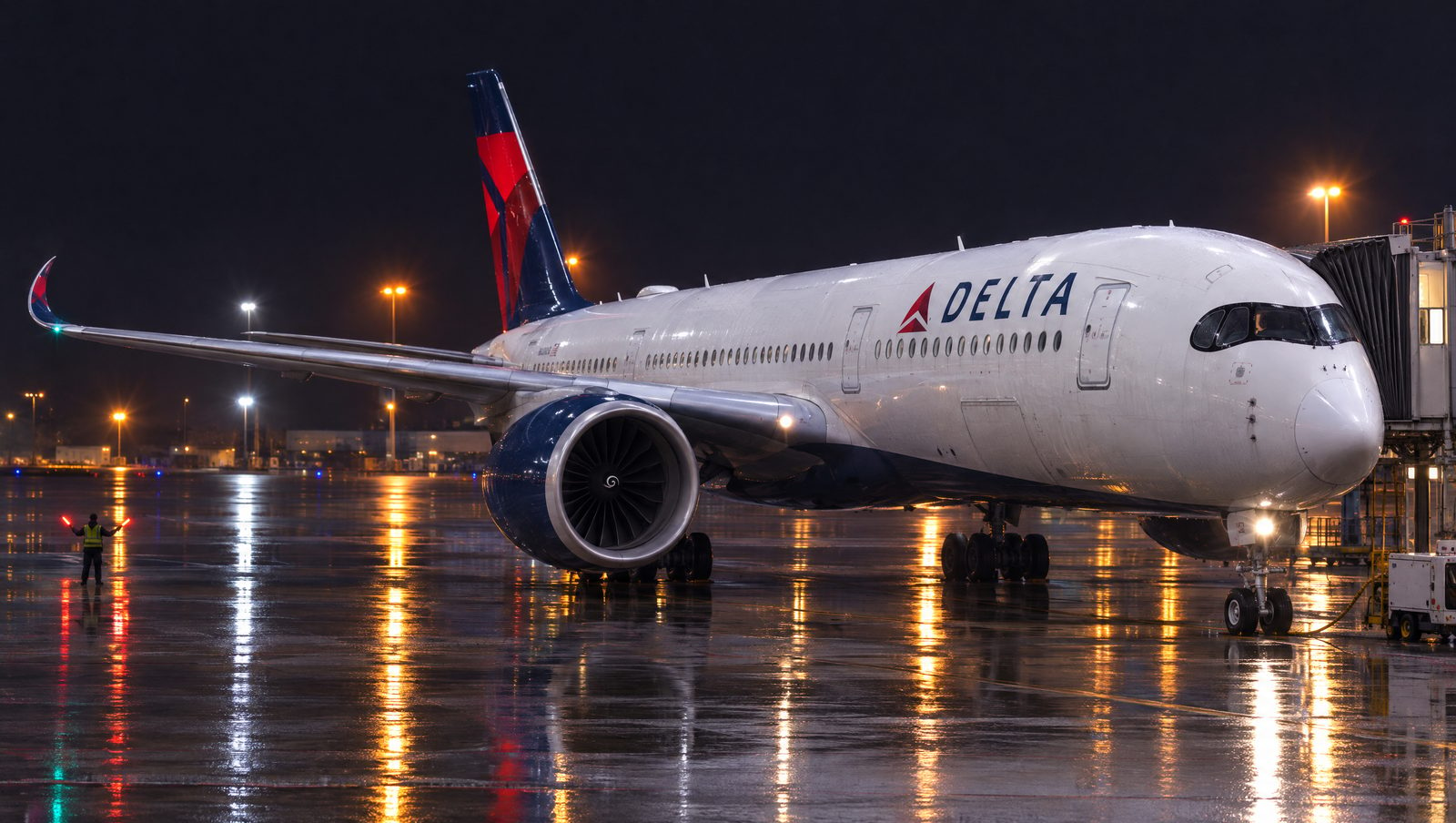
Hartsfield-Jackson is the anchor of Delta's network and the home of Delta TechOps, the carrier's maintenance, repair and overhaul arm. That combination means a returning aircraft can be met by engineers, inspected, and either released back to service or swapped out for a spare airframe far faster than at an outstation. It also means Delta can rebook displaced passengers onto one of the many daily frequencies it operates on trunk domestic routes such as Atlanta-Raleigh/Durham, which is exactly what happened here.
The 737-900ER in Delta's fleet
The Boeing 737-900ER is the longest member of the 737 Next Generation family, a single-aisle twinjet powered by two CFM56 engines and fitted with blended winglets. Delta is one of the type's largest operators and uses it heavily on medium-length domestic sectors where the aircraft's high seat count is an advantage. Because it is a narrowbody with two engines, the aircraft is certified to fly and land safely on one engine, and crews train for engine-related abnormalities repeatedly during recurrent simulator sessions.
Turnbacks are visible to passengers and generate attention precisely because they are unusual for any individual traveller, but across a network the size of Delta's, with thousands of departures a day, a handful of mechanical returns each week is an expected part of operating a large fleet. The safety value sits in the decision itself: an aircraft that returns to a well-equipped hub with a known technical snag is an aircraft that has been managed conservatively.
What happens next
The aircraft will be inspected by maintenance staff before it is returned to service, and any borescope or component work required will be carried out in Atlanta. Delta has not indicated that the event has any wider fleet implications, and no injuries were reported. Passengers reached Raleigh-Durham later the same day on a replacement aircraft.
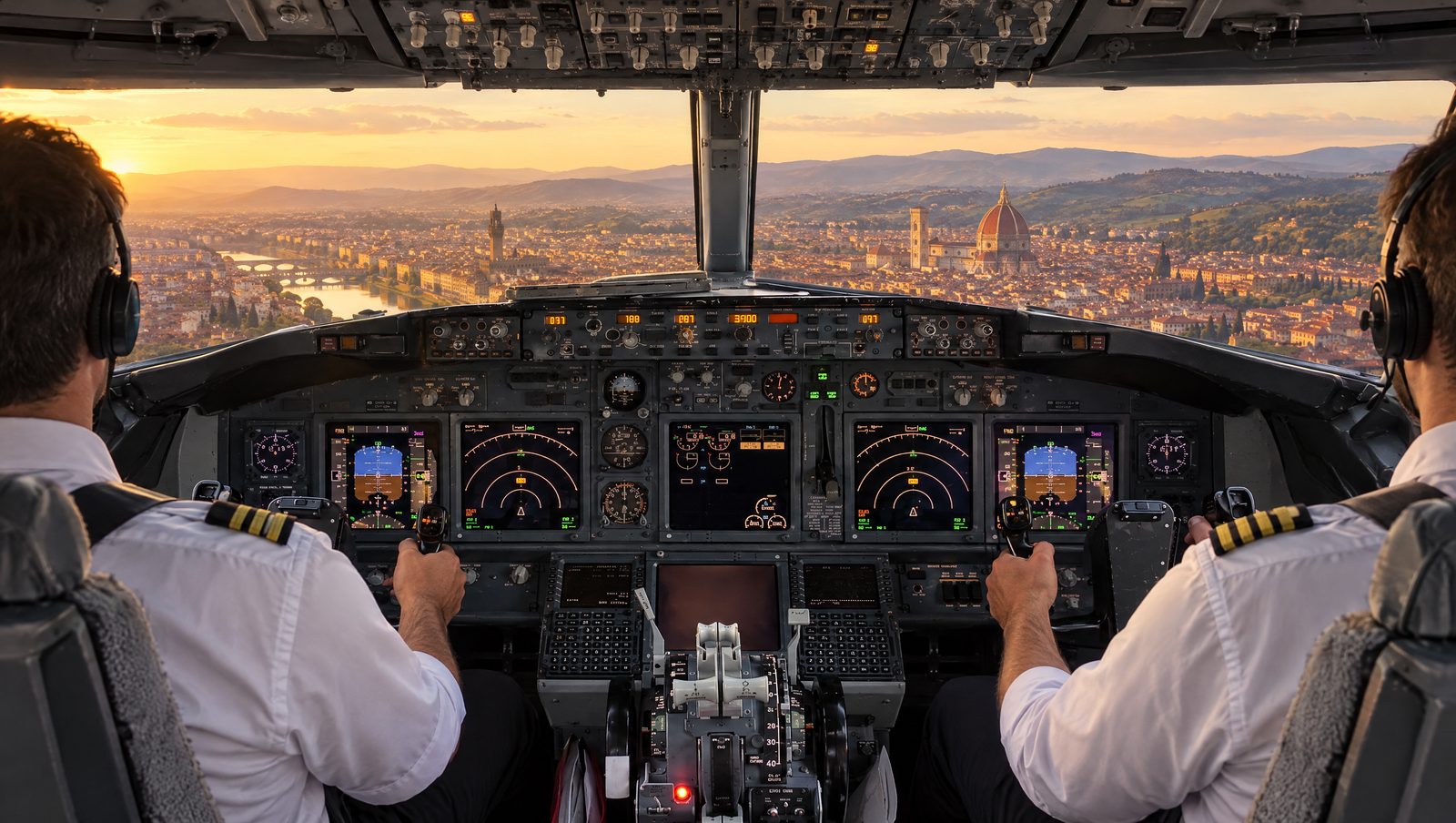
Sources: Simple Flying. Featured image: AI-generated by AviationShop. By James Holloway.


Comments
Loading comments…