


CLEVELAND, OHIO — A group of passengers, including two young children, has filed a federal negligence lawsuit against Delta Air Lines and now-defunct Spirit Airlines after a low-speed wingtip collision at Cleveland Hopkins International Airport left an entire family with documented head, neck, and back injuries while they were still standing in the cabin during boarding. The complaint, filed this week in a California district court, names both carriers as responsible parties and alleges that poor ground handling and an inadequate post-impact response turned a routine pushback into a preventable injury event.
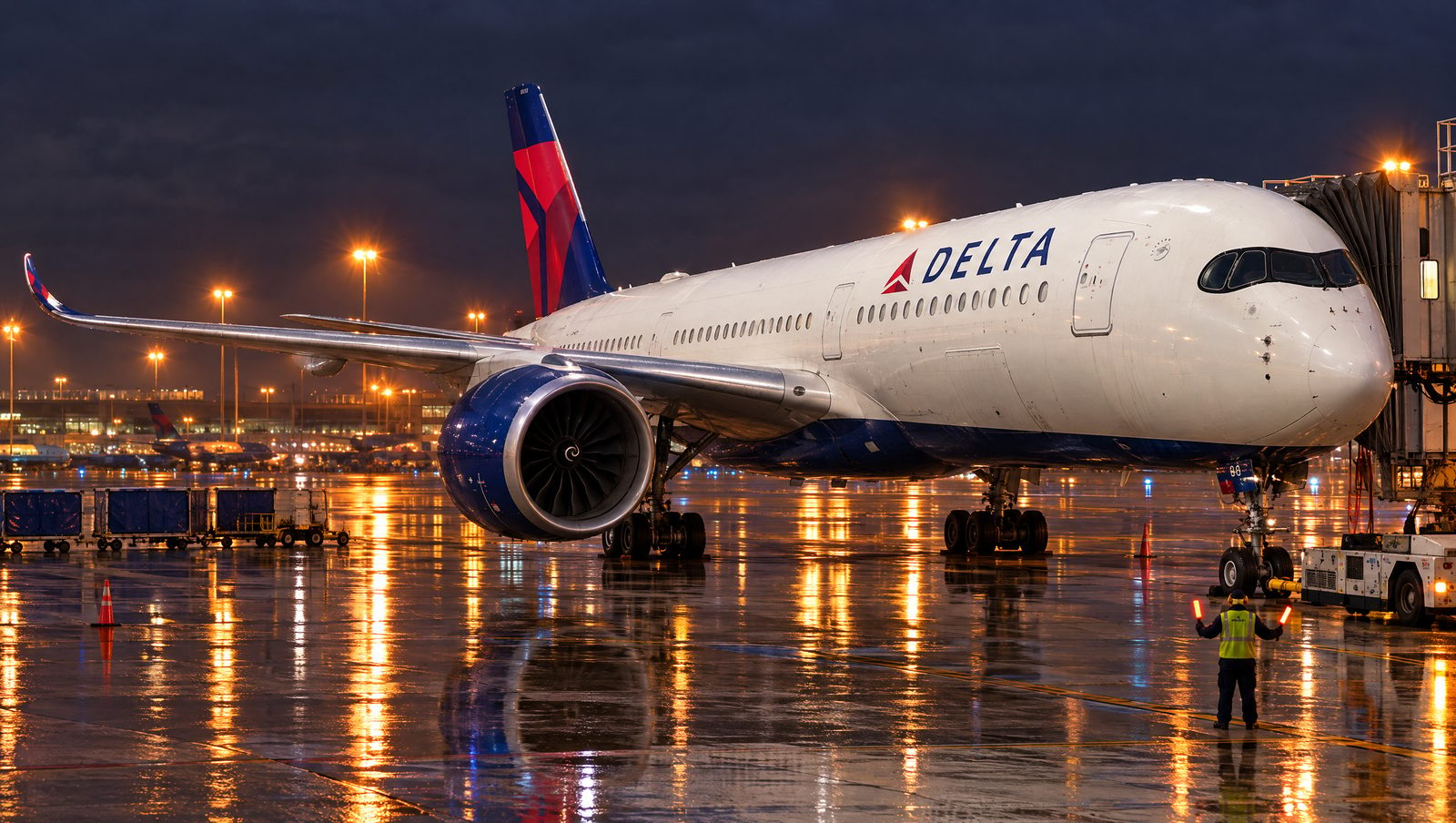
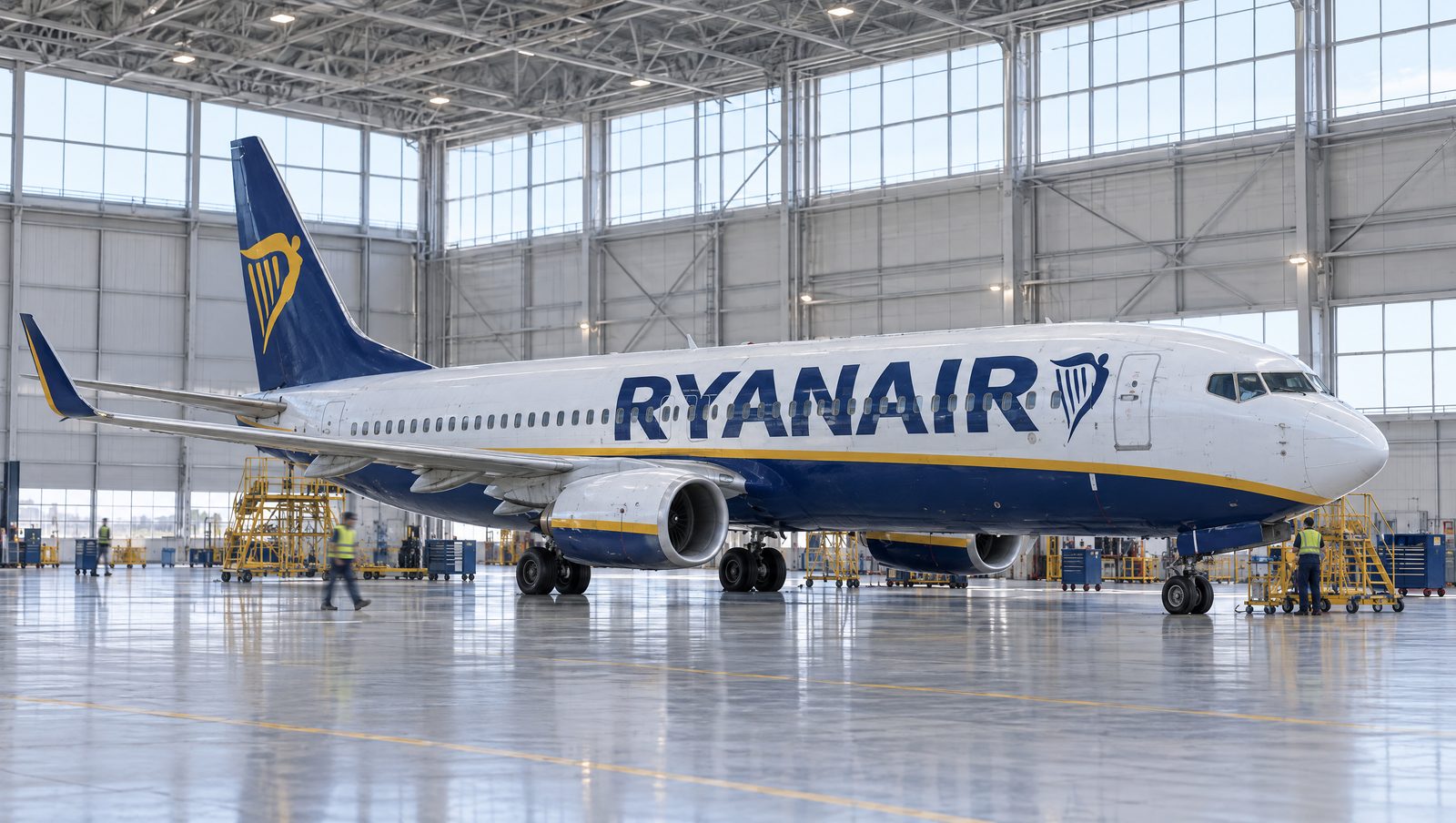
The incident at the center of the lawsuit occurred on the evening of May 12, 2024, when a Delta Air Lines Boeing 737-800 received clearance to push back from a gate adjacent to a Spirit Airlines Airbus A321 operating flight NK655. As the 737 was maneuvered away from its stand at approximately 8 p.m., its wingtip clipped the wing of the Spirit A321 at extremely low speed — slow enough that the contact would normally have caused minor damage and no injuries, but forceful enough to jolt the cabin while passengers were still loading carry-ons and shuffling toward their seats.
Why Standing Passengers Got Hurt
Court filings detail injuries to four named plaintiffs. Shawnell Byrd, standing at the back of the aircraft and about to take his seat, was thrown sideways and later diagnosed with lumbar and neck strain, accumulating at least $3,499 in medical bills. Cherice D. Jones-Byrd was seated at the exact point of impact and was hurled forward, striking her head. Amir R. Byrd, who was placing carry-on luggage in the overhead bin at the moment of contact, hit his head, right arm, and left knee. A fourth passenger, Chamirra Lewis, was injured while trying to settle her child, also striking her head when the jolt threw her forward.
The plaintiffs argue that the dynamic of low-speed wingtip strikes makes them deceptively dangerous. In most U.S. wingtip events of this type, passengers are already seated and belted, which limits injuries to the airframe itself. In Cleveland, the impact occurred precisely during the highest-risk window of the boarding process, when carry-ons are still in motion and passengers have no restraint.
Both Carriers Named — Including A Bankrupt Spirit
The lawsuit places direct responsibility on Delta for the way its 737 was moved during pushback and on Spirit Airlines — which formally ceased operations in early May 2026 — for failing to implement what the plaintiffs describe as “a reasonable safety response” immediately after the impact. Pursuing claims against a defunct carrier creates its own complications, but plaintiffs typically must name all potentially liable parties to preserve their recovery rights, even when one of those parties is in bankruptcy proceedings.
The Cleveland filing arrives at a moment when U.S. carriers are increasingly suing each other over wingtip collisions. Frontier Airlines is currently pursuing American Airlines for more than $770,000 in damages from two separate low-speed taxi incidents at Miami International and Boston Logan, including $670,387 in repair costs from a November 2024 collision that grounded a Frontier aircraft for six days. American Airlines agreed in September 2025 to cover half of those repair costs, leaving Frontier still pursuing the remaining $335,193.
What Comes Next
If the Cleveland case proceeds to trial or settlement, it could become a benchmark for how U.S. courts apportion liability between two airlines whose ground operations intersected at a gate area, and how passenger injuries during the boarding phase are weighted relative to standard in-flight incidents. With Spirit’s estate now being unwound and Delta operating as the only solvent defendant, the financial mechanics of the lawsuit will likely play out in parallel with broader bankruptcy proceedings — a complication that could push any resolution well into 2027.
Compiled from publicly available aviation news sources. Featured image: AI-generated by AviationShop. This article is original editorial content; facts have been verified across multiple public sources.






Comments
Loading comments…