



easyJet has agreed in principle to a takeover by US private investment firm Castlelake, valuing the British low-cost carrier at roughly £5.2 billion (about $6.9 billion) and bringing a months-long standoff between the airline's board and the Minneapolis-based asset manager close to a resolution.
The breakthrough came after Castlelake sweetened its all-cash offer to 690 pence per share. easyJet's board had rejected four earlier approaches, publicly dismissing bids in the 625p to 650p range as "highly opportunistic" attempts to buy the carrier "on the cheap." The revised 690p proposal was enough to win the board's backing in principle.
The agreement marks a sharp escalation from where the pursuit began. Castlelake's initial interest was pitched at around £3 billion earlier this summer, before a rejected £4.9 billion bid in late June set the stage for the improved terms now on the table. Each round pushed the price higher as the fund pressed its case and easyJet held out for a valuation it considered fair.
Structuring a US fund's purchase of a UK and European airline is not straightforward. Under post-Brexit and European Union rules, carriers operating within the UK and the EU must remain majority owned and controlled by regional nationals, a safeguard designed to protect route rights and operating licences. To satisfy those ownership requirements, Castlelake has designed a bidding vehicle in which its own economic stake is capped at 49%, with the remaining 51% held by UK and EU nationals.
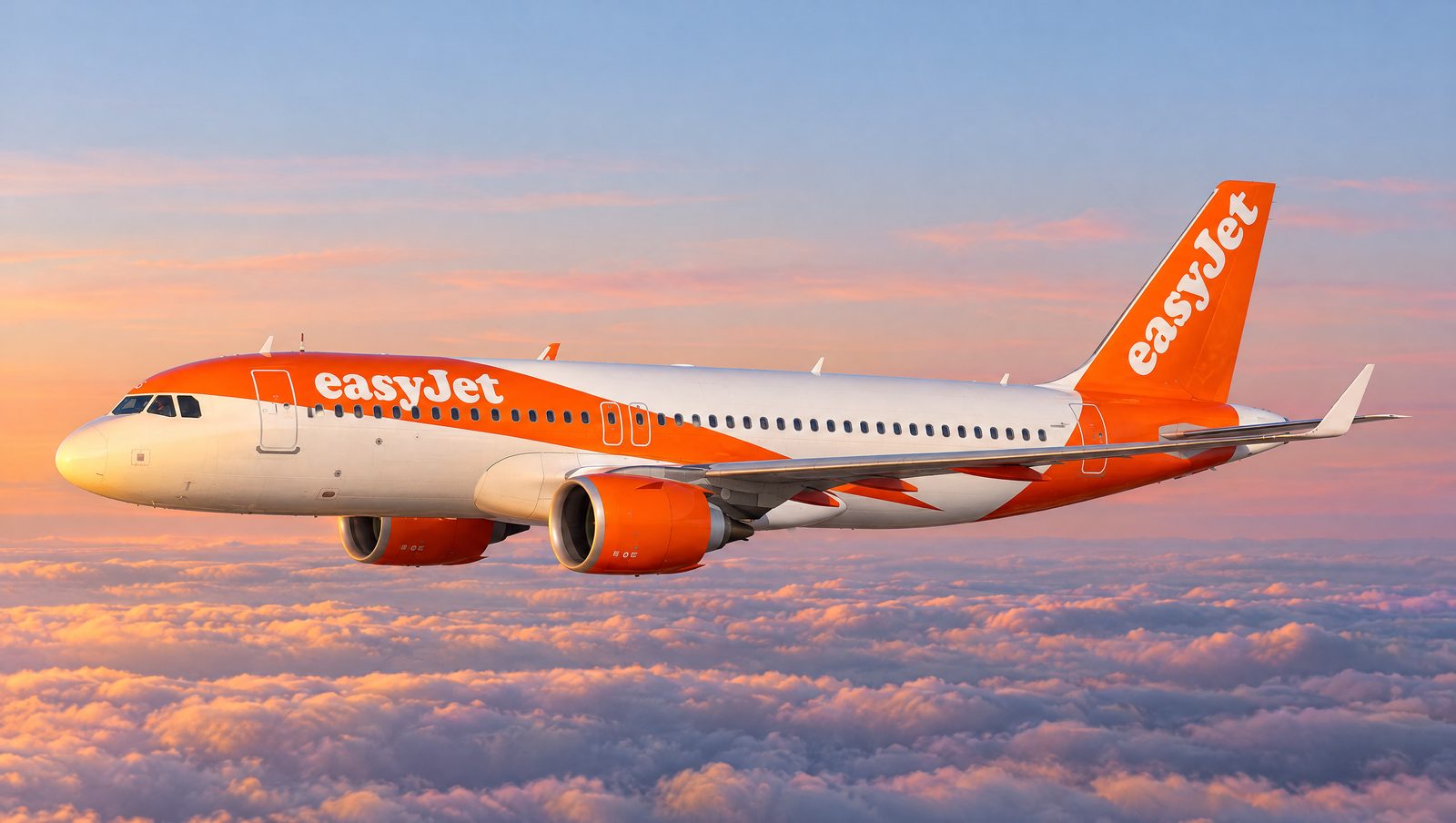
easyJet is one of Europe's largest low-cost carriers, operating an all-Airbus fleet built around the A320 family across a dense short-haul network from bases in the United Kingdom and continental Europe. Its orange-tailed jets are a familiar sight at major airports from London and Geneva to Milan and Berlin, and the airline has spent recent years expanding its holiday and ancillary businesses alongside its core scheduled operation.
An agreement in principle is not a completed transaction. The proposal will still need to be formalised, put to shareholders and cleared by the relevant regulators before any change of ownership takes effect. Given the ownership-cap structure and the cross-border nature of the deal, that scrutiny is likely to be detailed.
For now, the recommendation from easyJet's board signals that a takeover once dismissed as opportunistic has evolved into a proposal the airline is prepared to endorse, subject to the remaining conditions being met.
Sources: CNBC, Bloomberg. Featured image: AI-generated by AviationShop. By Marco Bianchi.











Comments
Loading comments…