


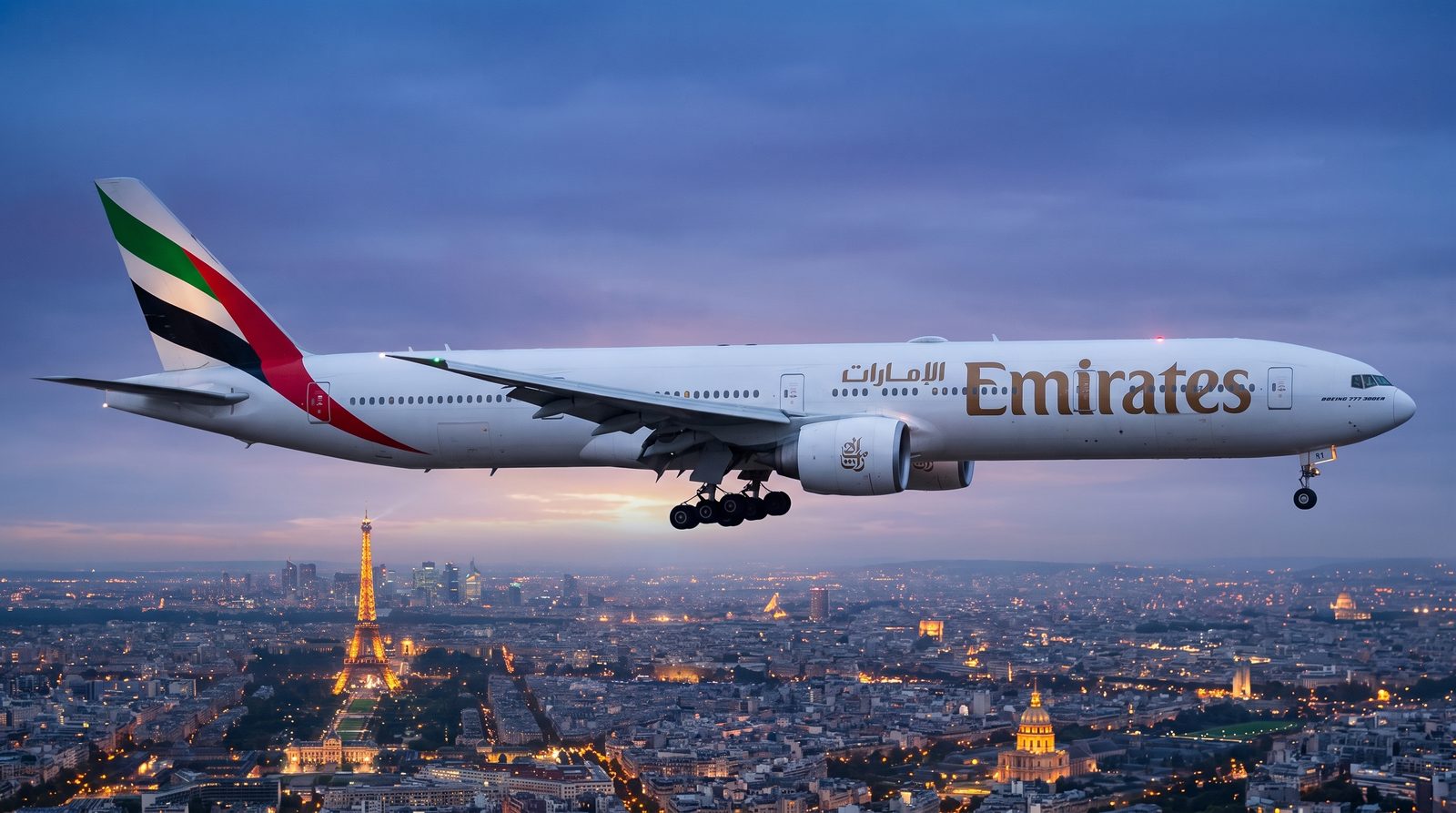
Emirates has cleared a long regulatory hurdle to add Berlin as a fifth German gateway from Dubai, Air Journal reported on 14 September 2026, after a Germany–UAE understanding announced around the 10 September Emirati state visit. The bilateral tweak lifts the old four-city ceiling that confined Emirates to Frankfurt, Munich, Düsseldorf, and Hamburg, and authorizes up to seven weekly Dubai–Berlin flights—daily service in frequency terms—without fifth-freedom rights beyond Berlin.
German transport minister Steffen Bilger excluded fifth-freedom traffic, Air Journal notes: Emirates may link Berlin-Brandenburg (BER) to Dubai, but may not tag a third-country sector onto the German end. Berlin’s governing mayor Kai Wegner cast the deal as opening daily long-haul connectivity from BER to Dubai. Existing frequencies at the four incumbent German cities are capped at current levels under the same framing, so Berlin growth does not automatically unlock extra Frankfurt or Munich banks.
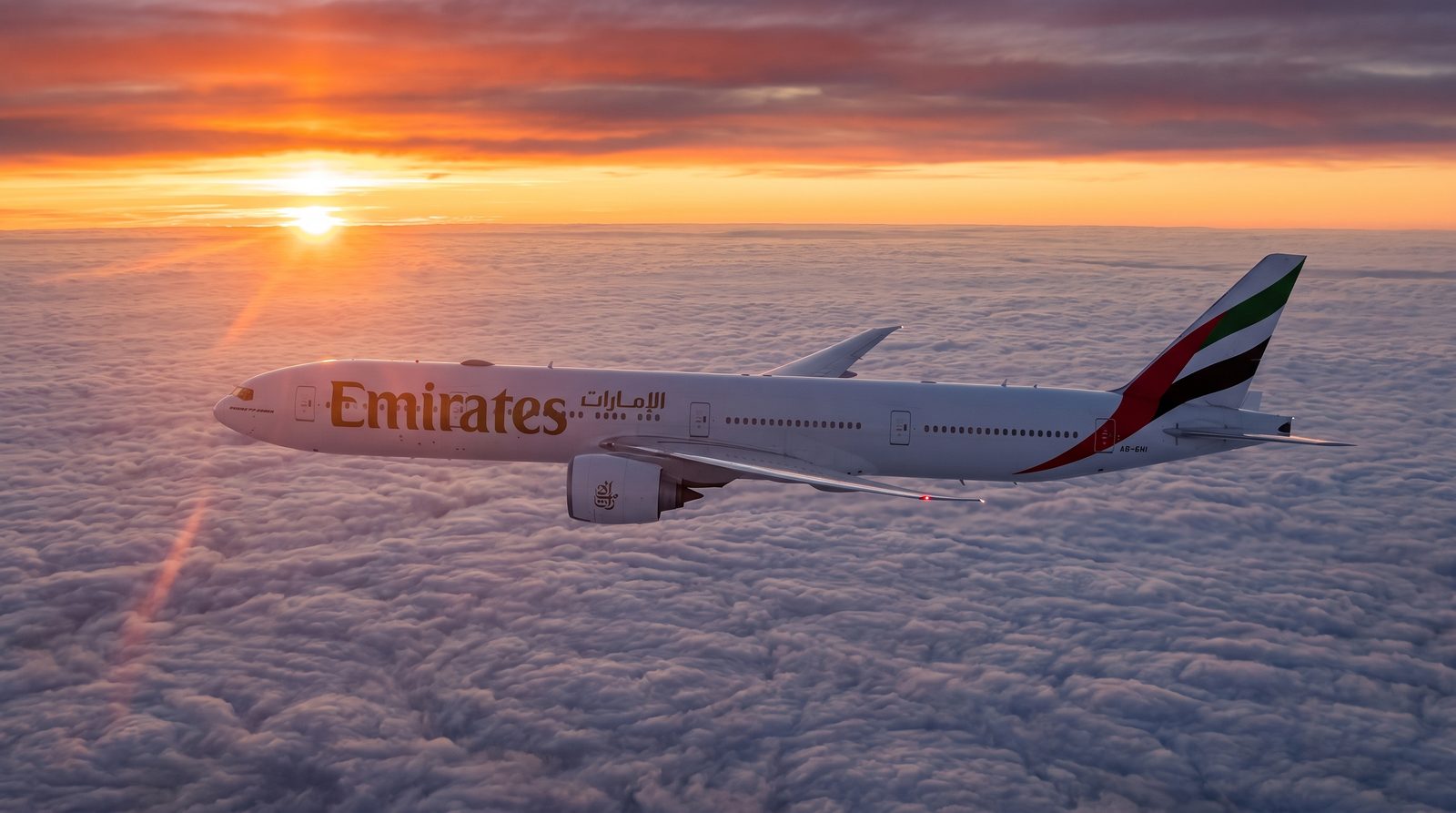
Commercial timing is still soft. Emirates has not published a first-flight date or opened bookings. Aviation sources cited by Air Journal float a possible start from December 2027 on a Boeing 777-300ER, but the airline has not confirmed either the month or the type. Until a GDS filing and fare load appear, travelers should treat Berlin as an authorized market, not a ticketable product.
The campaign is old. Since 2003 Emirates has pressed against Germany’s four-point limit as its German network became one of its densest on the European continent. On 9 June the carrier said it was ready to fly daily to Berlin and Stuttgart if rights arrived, citing more than €100 million a year in combined operating spend for those projects. President Tim Clark argued German business demand, the Berlin chamber of commerce, and Emirates’ own traffic data all supported the case.
Lufthansa Group pushed back immediately. Quoted via Deutsche Welle in the Air Journal piece, Lufthansa called the deal a transfer of value and jobs toward the Gulf and restated its long opposition to wider Gulf traffic rights. The European Cockpit Association had urged Germany, just before the state visit, not to grant new Emirati rights without competition, employment, and social-standard safeguards.
For BER, an Emirates bank would be symbolic and practical: one-stop access over Dubai toward Asia, Africa, the Indian Ocean, and Australasia on a carrier whose connecting machine is built for exactly that geography. For Lufthansa, Berlin is contested ground already served by Turkish and other competitors; adding Emirates raises connecting leakage risk on long-haul flows that might otherwise connect over Frankfurt or Munich.
What to watch next is concrete: an Emirates press release with aircraft type, a Cirium/ASM filing, and fare classes in the GDS. Rights without metal are only half a route. Until then, Frankfurt, Munich, Düsseldorf, and Hamburg remain Emirates’ live German map—and Berlin is the authorized fifth point waiting for a schedule.
Stuttgart remains the unfinished twin ask from Emirates’ June messaging. The September bilateral language highlighted a fifth German point and Berlin political cheerleading; it did not automatically green-light a sixth city. Watch whether a follow-on filing names Stuttgart or whether Berlin absorbs the political capital for this round.
Aircraft choice will shape the product story. A 777-300ER would match Emirates’ dense German widebody template and three-class premium density; any later A380 speculation would need BER ground infrastructure and slot reality that the current rights text never addresses. Until Emirates files, treat 777-300ER December 2027 chatter as informed rumor, not inventory.
Sources: Air Journal / German–UAE bilateral coverage. Image: AI-generated, livery reference only.
Comments
Loading comments…