


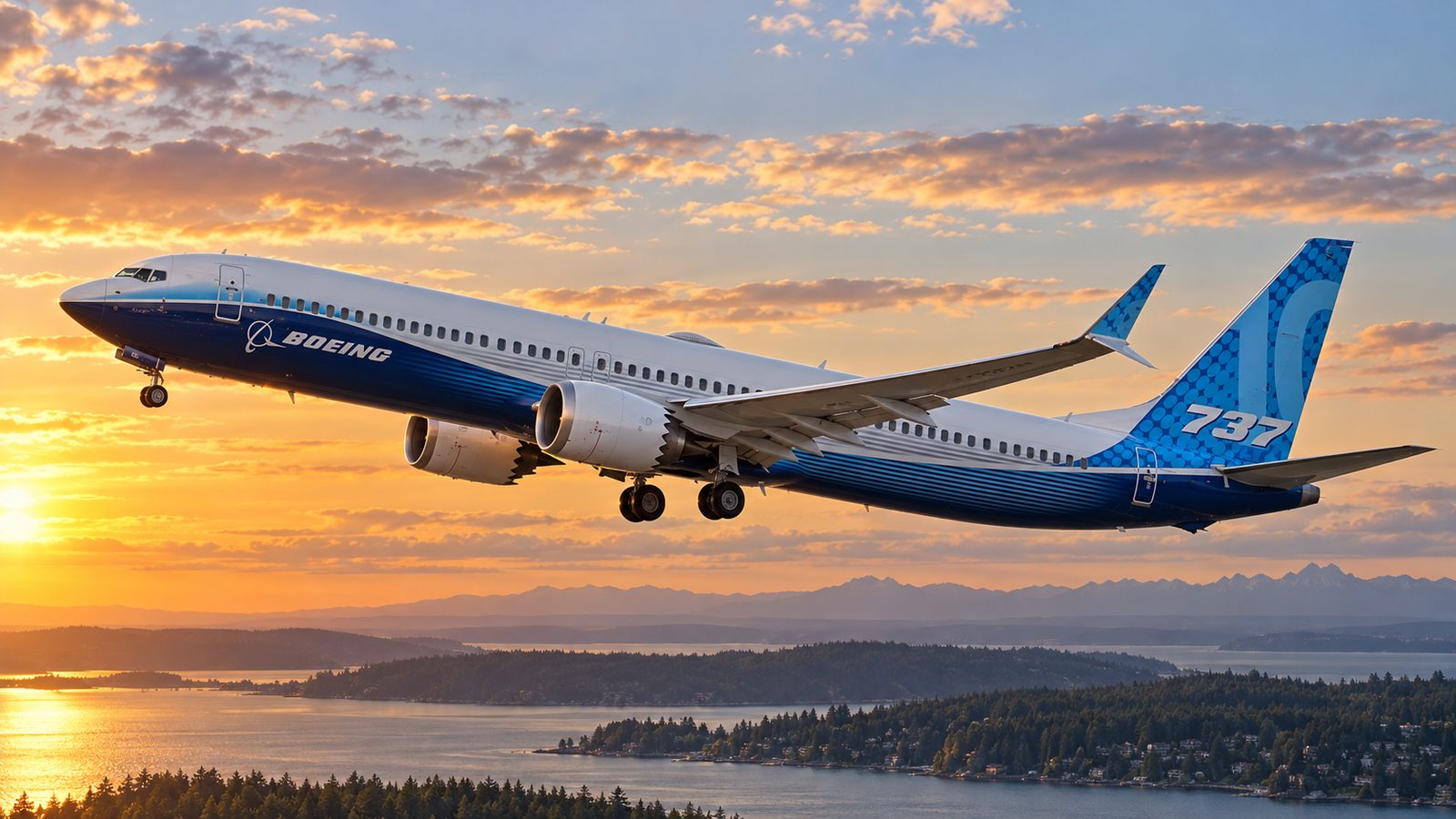
The Boeing 737 MAX 10, the largest member of the 737 MAX family and the last variant still waiting for approval, may finally receive its US type certificate as soon as next week. Reuters reported on October 16, citing sources familiar with the process, that the Federal Aviation Administration is set to approve the aircraft after a meeting of its Type-Certification Board on Friday.
The board is an FAA management panel that reviews certification packages, and its meeting is one of the last formal steps before the agency decides whether to sign off on a new design. According to Aviacionline, which also cited reporting by Bloomberg and The Air Current, one formality remains: Boeing must submit a Project Statement of Completion to the FAA before the final signatures, which are expected in the first days of next week.
Following the MAX 7 timetable
The smaller 737 MAX 7 offers a recent template. Its Type-Certification Board also met on a Friday, and the FAA signed its type certificate the following week, on August 3. If the MAX 10 follows the same pattern, approval could come during the week beginning October 19.
Boeing completed the MAX 10's final planned certification flight in July, after 976 flights and more than 2,060 flight hours across three test aircraft, plus around 1,040 hours of ground testing. AVweb reported that the programme covered the landing gear, braking systems, engine anti-ice modifications and an enhanced angle-of-attack system. Since then, Boeing has been completing system safety assessments and the other documentation the FAA requires.
"We're in close coordination with them (FAA), and I think you're going to see that certification very soon," Boeing CEO Kelly Ortberg said at an investor conference in September. "We've completed all the flight testing. Now we're just in the documentation phase."
A late software hurdle
The final stretch was not entirely smooth. On September 28 the FAA paused certification work after identifying a fault in versions U14 and U14.1 of the flight management computer software. During a go-around that uses a modified missed-approach path, the fault can disconnect vertical navigation and increase crew workload.
On October 2, the FAA's Corrective Action Review Board concluded that the issue did not present a safety concern because pilots retain full control of the aircraft. The agency said it would issue a Special Airworthiness Information Bulletin, and Boeing will provide guidance to operators while it develops a permanent software update. According to Aviacionline, United and Southwest had asked not to receive new MAX aircraft carrying those software versions.
What the MAX 10 means for Boeing and its customers
The 737-10 is 43.8 metres long and can carry up to 230 passengers in a high-density layout, or between 188 and 204 in typical two-class cabins, with a range of about 3,100 nautical miles (5,740 km). It is Boeing's direct answer to the Airbus A321neo on high-density, high-frequency routes, although it has less range than the A321XLR.
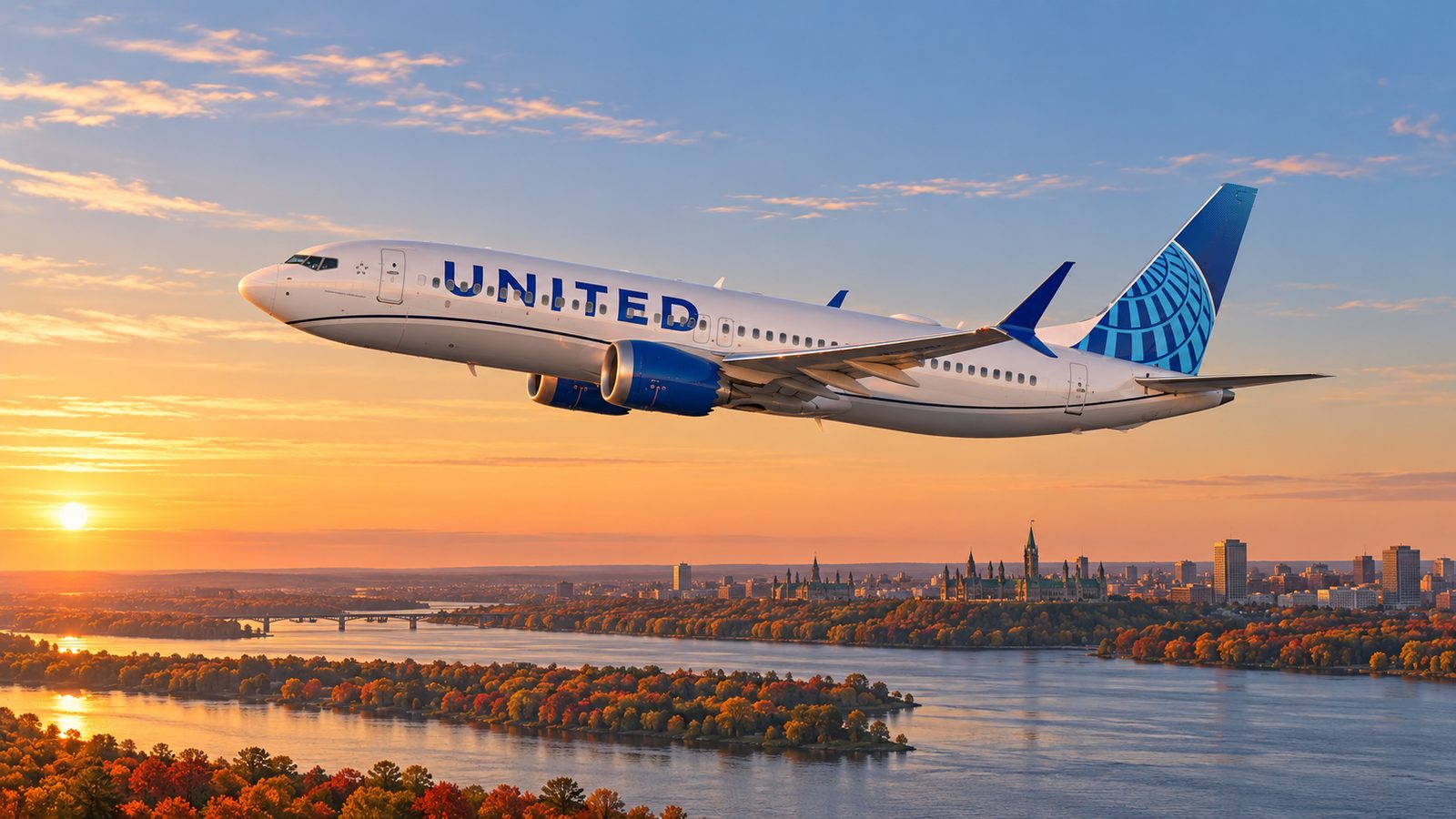
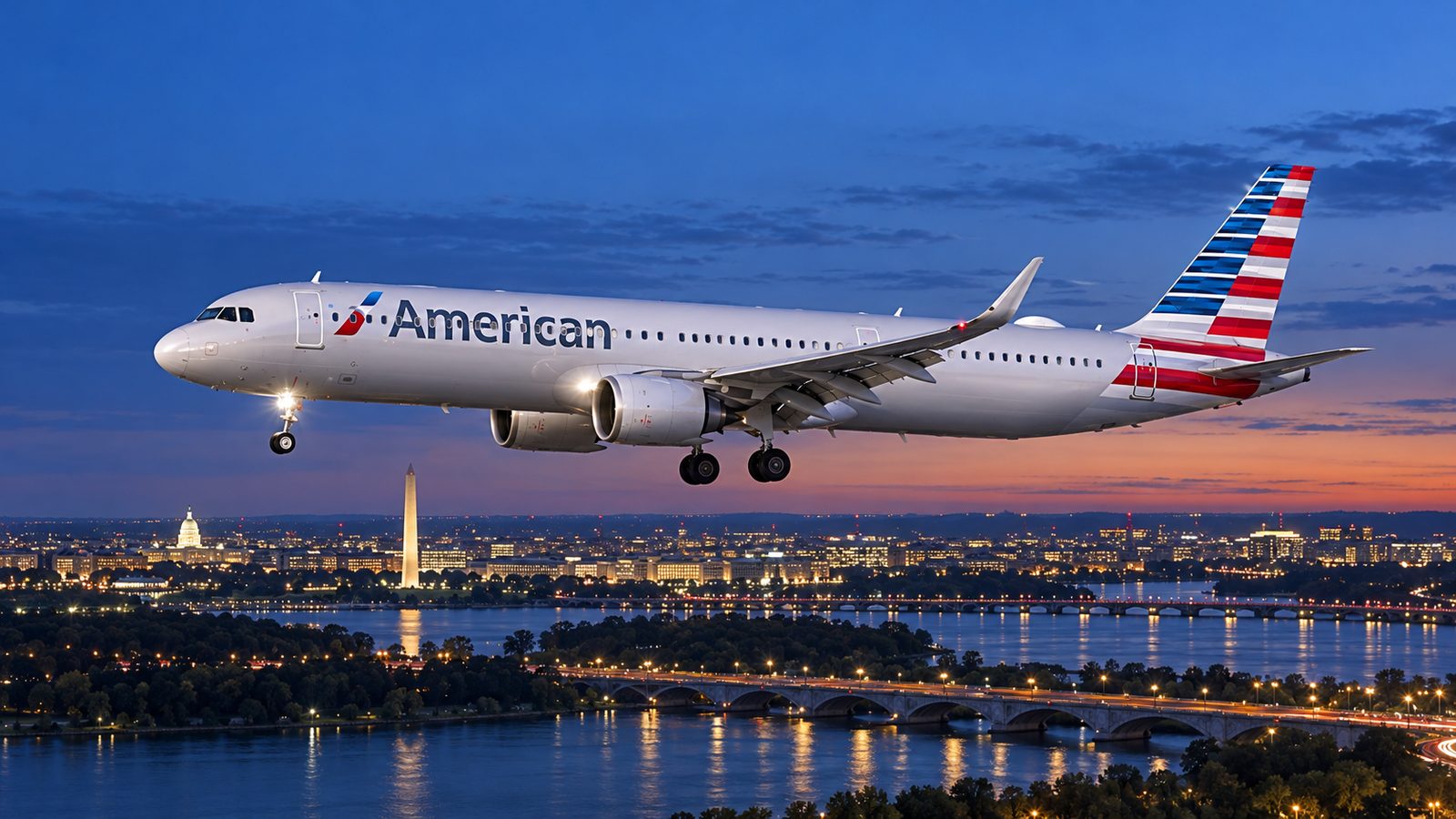
The stakes are significant. Ortberg said in September that the MAX 10 accounts for roughly 30% of Boeing's 737 backlog, and Aviacionline counted 1,533 firm orders for the variant as of June 2026. The largest customers are United with 167 aircraft, Ryanair with 150 firm orders and 150 options, Alaska Airlines with 105 firm orders plus rights for 35 more, and Delta with 100 aircraft and options for 30 more. American Airlines, Pegasus, Akasa Air, Air India Express, Vueling and the Lufthansa Group are also on the order book, and WestJet is the launch customer.
First deliveries were originally planned for 2020. The programme slipped after the regulatory changes that followed the 2018 and 2019 MAX 8 accidents, tighter FAA oversight, production and quality problems including the January 2024 Alaska Airlines MAX 9 door plug incident, and a lengthy redesign of the anti-ice system on the CFM LEAP-1B engines.
Certification would open the way to the first commercial deliveries in 2027. Alaska expects its first aircraft in the northern spring and plans to begin passenger flights between April and mid-May. Boeing has referred questions about the timing to the FAA, which has reiterated that safety will dictate the timeline for approval.
Comments
Loading comments…