


The Federal Aviation Administration has proposed a new rule that would lift the longstanding ban on civil supersonic flight over the continental United States, marking a dramatic regulatory shift that could reshape domestic air travel. The announcement, made by Transportation Secretary Sean P. Duffy, signals the Trump administration's intent to bring supersonic commercial aviation back to American skies for the first time since the Concorde era. The proposed rulemaking would establish a framework for authorizing supersonic overland flights, effectively dismantling a restriction that has been in place since 1973, when the FAA prohibited civil aircraft from causing sonic booms over U.S. territory.
Under the existing rule, no civil aircraft may fly faster than Mach 1 over land within the United States, a regulation that was originally enacted in response to public complaints about sonic booms generated by military jets during the 1960s and early 1970s. The proposed rule would replace this blanket prohibition with a performance-based standard, allowing supersonic flight provided that the resulting noise on the ground falls within acceptable limits. This approach acknowledges decades of aeronautical research into "low-boom" supersonic technology, which aims to reduce the sharp thunderclap of a traditional sonic boom to a quieter, less disruptive sound — sometimes described as a soft thump rather than a jarring crack.
The FAA's proposal comes at a time when several aerospace companies are actively developing supersonic and even hypersonic commercial aircraft. Boom Supersonic, based in Denver, has been one of the most prominent players, developing its Overture airliner designed to carry passengers at Mach 1.7 — roughly twice the speed of today's conventional jets. NASA has also been deeply involved in the effort through its X-59 Quesst experimental aircraft, which is specifically designed to demonstrate that supersonic flight can be achieved with a dramatically reduced sonic boom signature. Data gathered from the X-59's planned test flights over populated areas is expected to play a central role in informing whatever noise standards the FAA ultimately adopts.
The regulatory change, if finalized, would remove one of the most significant barriers to commercial supersonic operations in the United States. Even with aircraft capable of supersonic speeds, the current overland ban means such planes could only fly faster than the speed of sound over water — severely limiting their route potential and commercial viability for domestic service. Lifting the restriction would open up the possibility of coast-to-coast flights taking roughly half the time they do today. A New York to Los Angeles trip, for instance, currently takes around five hours on a subsonic airliner; a supersonic aircraft could potentially cover the same distance in approximately two and a half hours or less.
The proposal will go through the standard federal rulemaking process, which includes a public comment period during which airlines, manufacturers, environmental groups, and ordinary citizens can weigh in. Noise and environmental concerns are expected to feature prominently in public responses. Critics of supersonic overland flight have historically pointed not only to sonic boom disturbance but also to the higher fuel burn and carbon emissions associated with flying at supersonic speeds. Supporters counter that modern engine technology and sustainable aviation fuels could mitigate environmental impacts, and that the economic benefits of faster travel would be substantial.
Secretary Duffy framed the move as part of a broader effort to modernize American aviation infrastructure and maintain U.S. leadership in aerospace innovation. The initiative aligns with the administration's emphasis on deregulation and technological advancement. For the FAA, the challenge will be crafting a final rule that balances innovation with legitimate safety and noise concerns — establishing clear, measurable standards that manufacturers must meet before supersonic overland operations are permitted.
The supersonic travel market has drawn significant investment in recent years, with multiple startups and established aerospace firms pursuing designs that promise to make faster-than-sound flight commercially viable again. The Concorde, operated by British Airways and Air France, was retired in 2003 after 27 years of service, largely due to high operating costs, limited routes, and the aftermath of a fatal crash in 2000. The new generation of supersonic aircraft aims to address those shortcomings with modern materials, more efficient engines, and advanced aerodynamic designs that reduce both noise and fuel consumption.
No specific timeline for finalization of the rule has been announced, and the FAA has emphasized that any future supersonic operations would still need to meet all existing safety and airworthiness certification requirements. The proposed rule represents only the first step in what is expected to be a lengthy regulatory and technical process before passengers can actually book supersonic domestic flights.
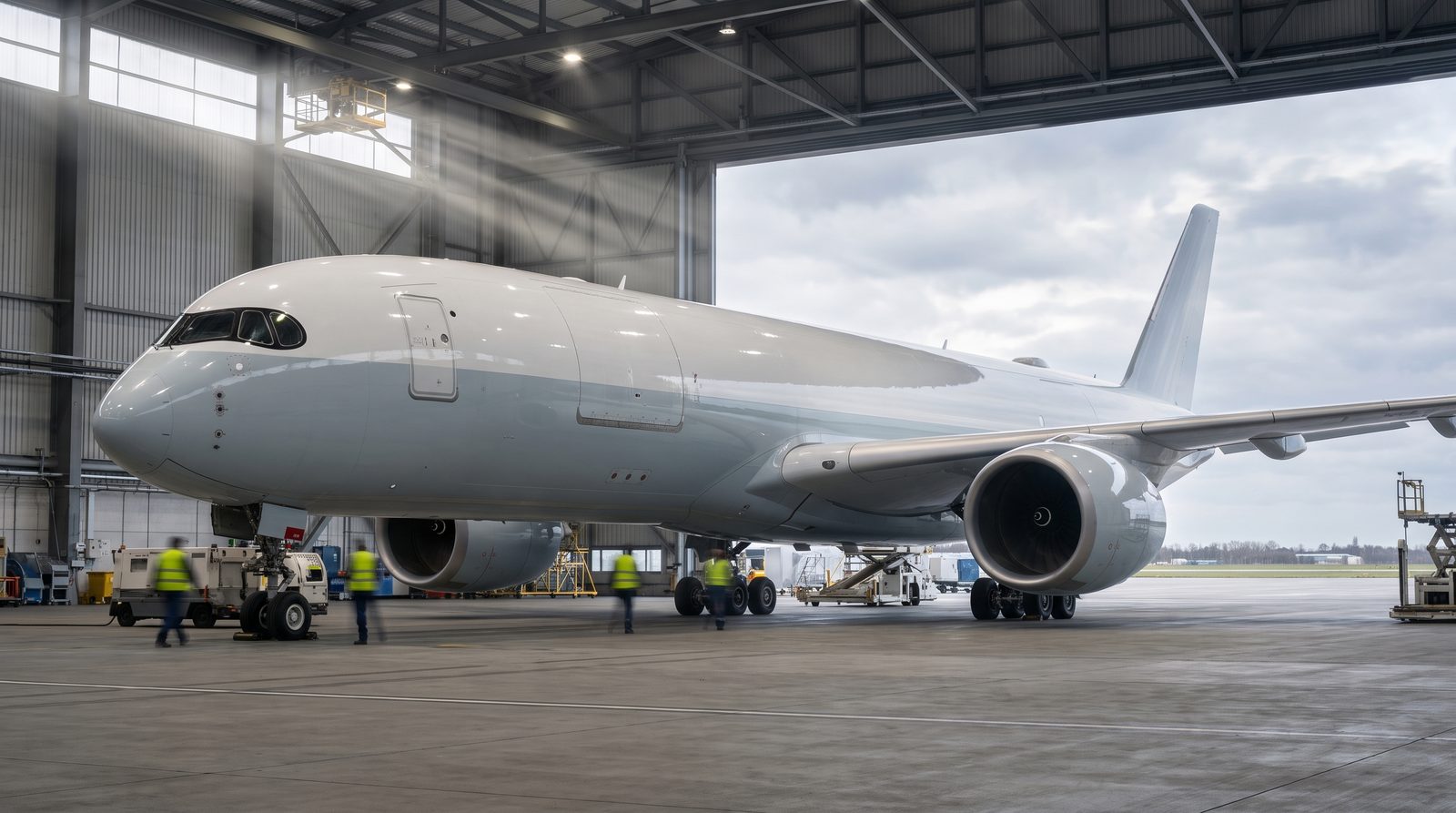
Sources: FAA, AeroTime. Featured image: AI-generated by AviationShop. By Daniel Okafor.


Comments
Loading comments…