


A JetBlue Airbus A321 struck a drone while on final approach to New York's John F. Kennedy International Airport, in one of the more notable confirmed drone-aircraft encounters in recent U.S. aviation. The pilot of JetBlue Flight 948, arriving from Las Vegas Harry Reid International Airport, reported hitting the drone at roughly 3,000 feet on Monday, June 29, 2026, at about 7:15 a.m. EDT during the final stages of the approach.
In an air traffic control recording, the pilot calmly relayed the strike, saying the aircraft had "collided with a drone back there in the turn" and that "it hit us right above the cockpit." The crew did not request emergency assistance and continued the approach, and the Airbus A321 landed safely at JFK. JetBlue said passengers deplaned normally after arrival.
The Federal Aviation Administration announced on June 29 that it had opened an investigation into the incident. A post-flight inspection of the aircraft did not reveal any damage from the reported collision. Adding to the concern around the airport that day, a helicopter pilot separately reported nearly striking a large radio-controlled aircraft at around 300 feet near JFK later the same day.
While drone sightings near major airports have become increasingly common, confirmed physical contact between a drone and a commercial airliner remains rare. The FAA receives thousands of drone sighting reports from pilots each year, but cases where a drone actually makes contact with an airliner are far less frequent, which is part of what makes this event stand out from a safety standpoint.
The Airbus A321 is the largest member of the A320 single-aisle family and a workhorse of JetBlue's fleet, flying both transcontinental domestic segments and select international routes. It offers a longer fuselage and greater capacity than the A321's A320 sibling, and JetBlue operates a premium A321neo Mint configuration on some long transcontinental services. The Las Vegas-to-JFK segment is among the carrier's longer domestic routes.
Drone incursions near airports have emerged as one of the fastest-growing safety concerns in commercial aviation. The FAA prohibits unauthorized drone flights near airports and generally above 400 feet, and federal law makes it illegal to operate a drone in a way that interferes with manned aircraft. Enforcement remains challenging, however, because small unmanned aircraft are difficult to detect on radar and nearly impossible for pilots to see and avoid during approach and departure.
The potential consequences of a drone strike depend heavily on where the impact occurs. Ingestion into an engine could cause significant damage, while strikes to the windshield, radome, or control surfaces could affect handling or visibility. Research by the FAA and others has indicated that even small drones can cause damage comparable to or exceeding bird strikes, because drones contain dense components such as batteries and motors that concentrate force in ways biological matter does not.
The confirmed strike at JFK — one of the busiest and most operationally complex airports in the world — is likely to add momentum to ongoing efforts by the FAA and law enforcement to deploy drone-detection and mitigation technology at major airports. Several U.S. airports have been testing counter-drone systems in recent years, though wider deployment has been slowed by regulatory, technical, and jurisdictional complexity.
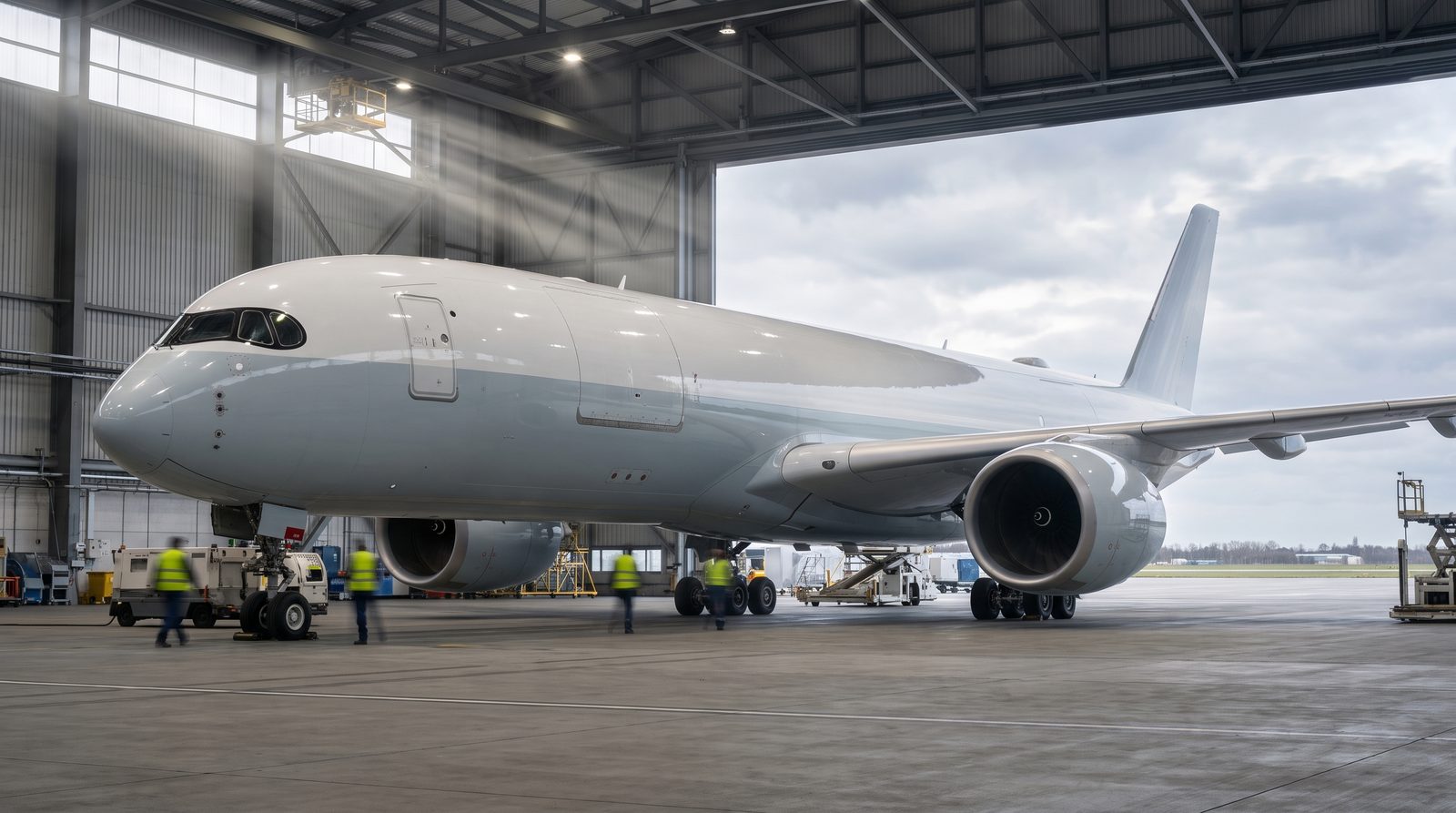
Sources: AeroTime, Simple Flying. Featured image: AI-generated by AviationShop. By Elena Vargas.


Comments
Loading comments…