


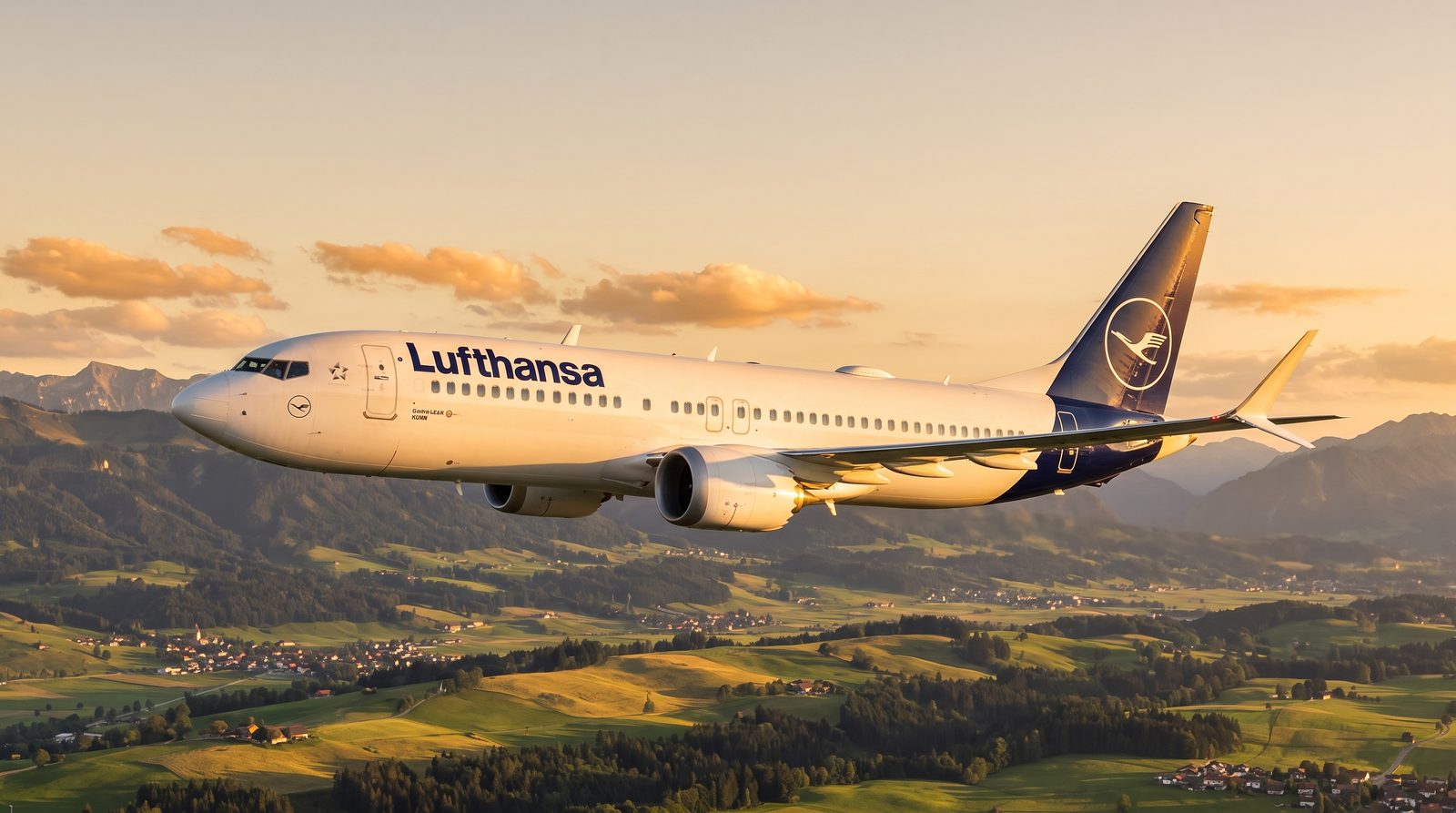
Lufthansa Group is locking in its first Boeing 737 MAX 10 jets. On 17 September 2026 the Supervisory Board of Deutsche Lufthansa AG approved exercising options for 20 of the largest MAX family aircraft, lifting the group’s firm Boeing 737 MAX order book to 60 jets after the 2023 deal for 40 MAX 8s that also carried 60 purchase options across the MAX family.
Deliveries of the newly firm MAX 10s are scheduled to begin in the early 2030s. Lufthansa Group says the type will gradually replace older Airbus A320-family aircraft across the group’s short- and medium-haul fleets. At list prices the 20-jet tranche is valued at about USD 3.4 billion; as with most airliner orders, negotiated net prices are typically well below published list.
The MAX 10 is the longest member of Boeing’s single-aisle MAX line and offers higher seat count than the MAX 8 already on order. Compared with the older narrowbodies it is meant to replace, Lufthansa Group cites roughly 30% lower fuel burn and about 20% lower unit costs from the larger gauge—figures that matter on dense European sectors where trip cost and seat-mile economics decide whether a frequency stays or gets cut.
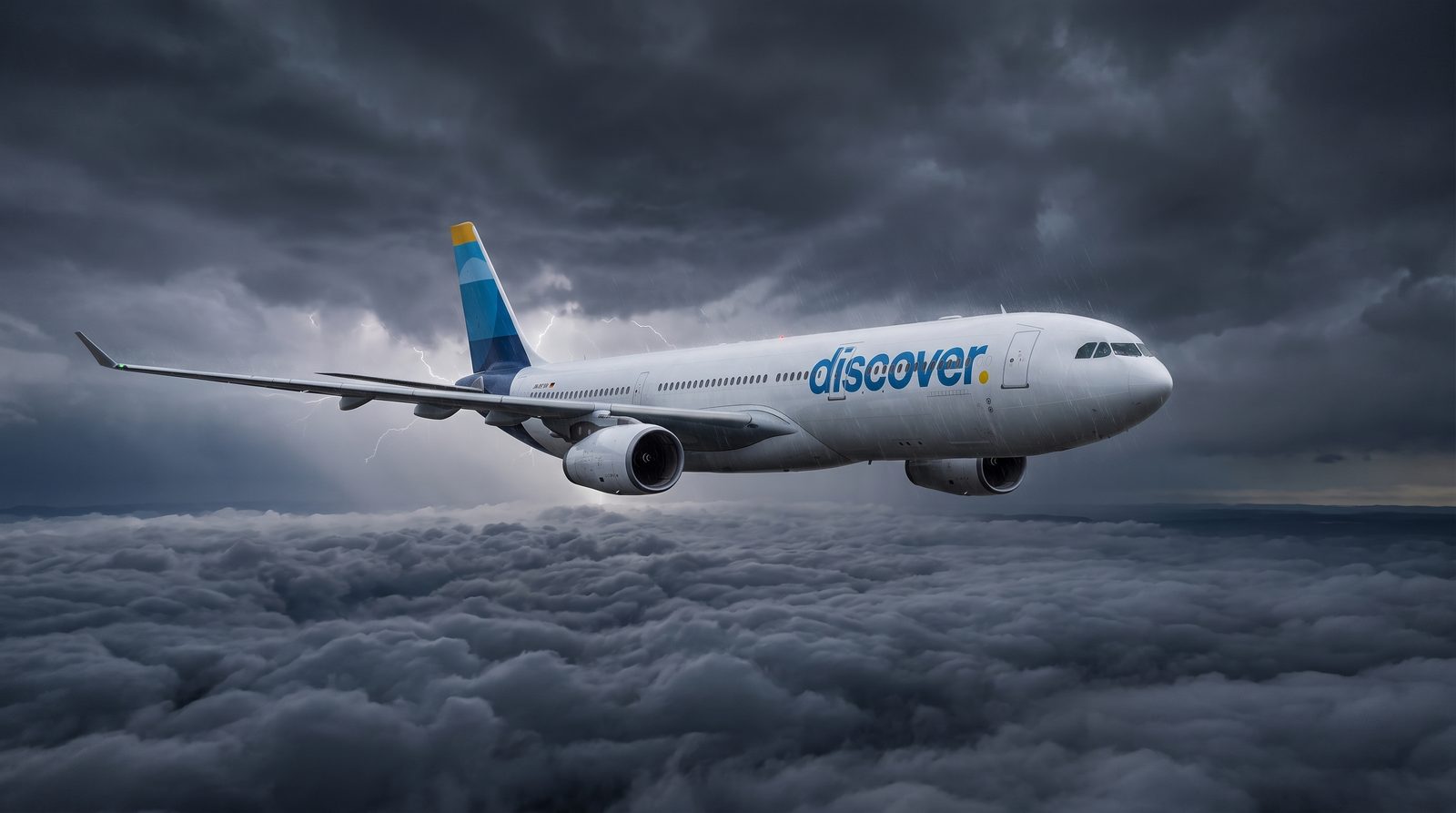
The decision sits inside a broader modernization wave. By 2035 the group expects to take delivery of more than 250 new aircraft as it refreshes both short-haul and long-haul metal. Exercising the first 20 MAX options does not by itself set which subsidiary will take which airframe—Eurowings, Discover, and mainline Lufthansa have all been part of the group’s narrowbody planning—but it does firm capacity that was previously only optional paper.
Certification context still hangs over the MAX 10. Boeing’s largest MAX variant has faced years of delay after the 2019 MAX grounding and later anti-ice and regulatory issues; recent flight-test progress has raised expectations of FAA certification, yet airline planners still treat early-2030s delivery dates as planning assumptions rather than gate-ready promises. Lufthansa Group’s option exercise is a bet that the type clears remaining hurdles in time for that window.
For passengers the visible change will arrive later: denser, more efficient single-aisles on European routes, retiring older A320-family frames as they reach economic end-of-life. For network planners the immediate value is optionality turned into firm slots—capacity that can be assigned once certification and production rates stabilize.
Competitors across Europe are already deep into neo and MAX fleets; locking 20 MAX 10s keeps Lufthansa Group from falling behind on gauge and fuel cost as carbon rules and unit-cost pressure rise. Watch which operating carrier within the group gets the first MAX 10s, how cabin products differ from today’s A320neos, and whether further options from the 2023 package are converted before the decade ends.
Until metal arrives, the story is balance-sheet and fleet strategy more than timetable. Still, a Supervisory Board vote of this size tells suppliers, lessors, and rival European groups that Lufthansa intends to keep Boeing in its single-aisle future—not only Airbus—well into the 2030s.
Sources: Lufthansa Group newsroom; AirlineGeeks; FlightGlobal.
Comments
Loading comments…