


If you have flown on a modern wide-body, there is a good chance a Rolls-Royce Trent was hanging under the wing. The Trent is not a single engine but a whole family, one name stretched across three decades of turbofans that power some of the most important twin- and four-engine airliners ever built. Understanding the Trent is a shortcut to understanding how the wide-body world is put together.
The family traces its lineage to the RB211, the three-shaft engine that first flew on the Lockheed TriStar in the 1970s. That three-shaft architecture is the signature Rolls-Royce feature. Where most turbofans use two concentric spools, Rolls splits the machine into three independent shafts, allowing the fan, the intermediate-pressure compressor and the high-pressure compressor to each spin at its own optimum speed. The result is a compact, efficient core, at the cost of extra mechanical complexity.
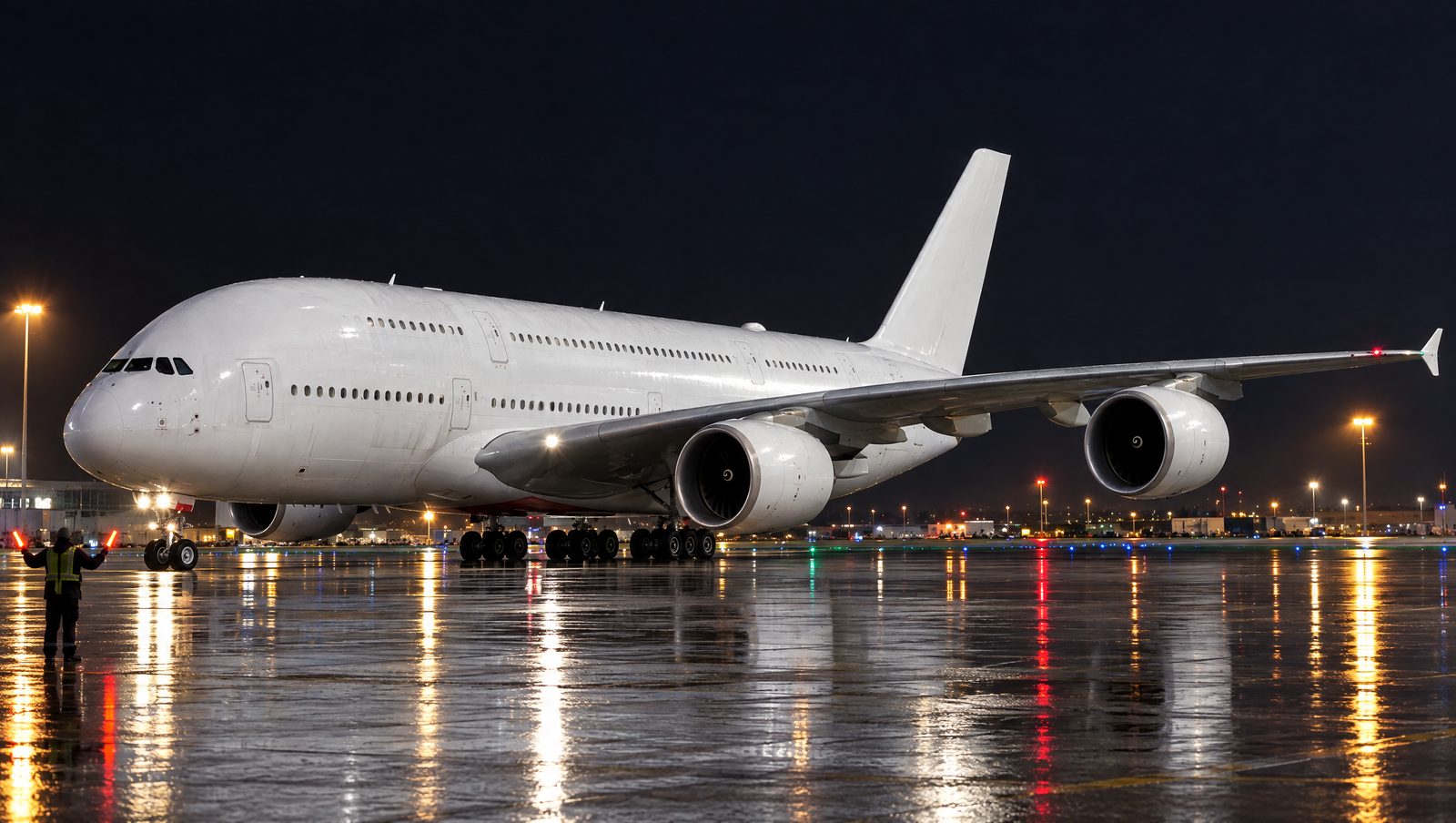
From that foundation Rolls-Royce grew a deliberately confusing but logical lineup. The Trent 700 became a mainstay on the Airbus A330. The Trent 800 powered early Boeing 777s. The Trent 500 was built for the four-engine A340-500 and -600. The Trent 900 was designed for the double-deck Airbus A380, and the Trent 1000 was one of two engine choices on the Boeing 787 Dreamliner. Each shares the same basic three-shaft DNA while being tuned for a very different airframe.
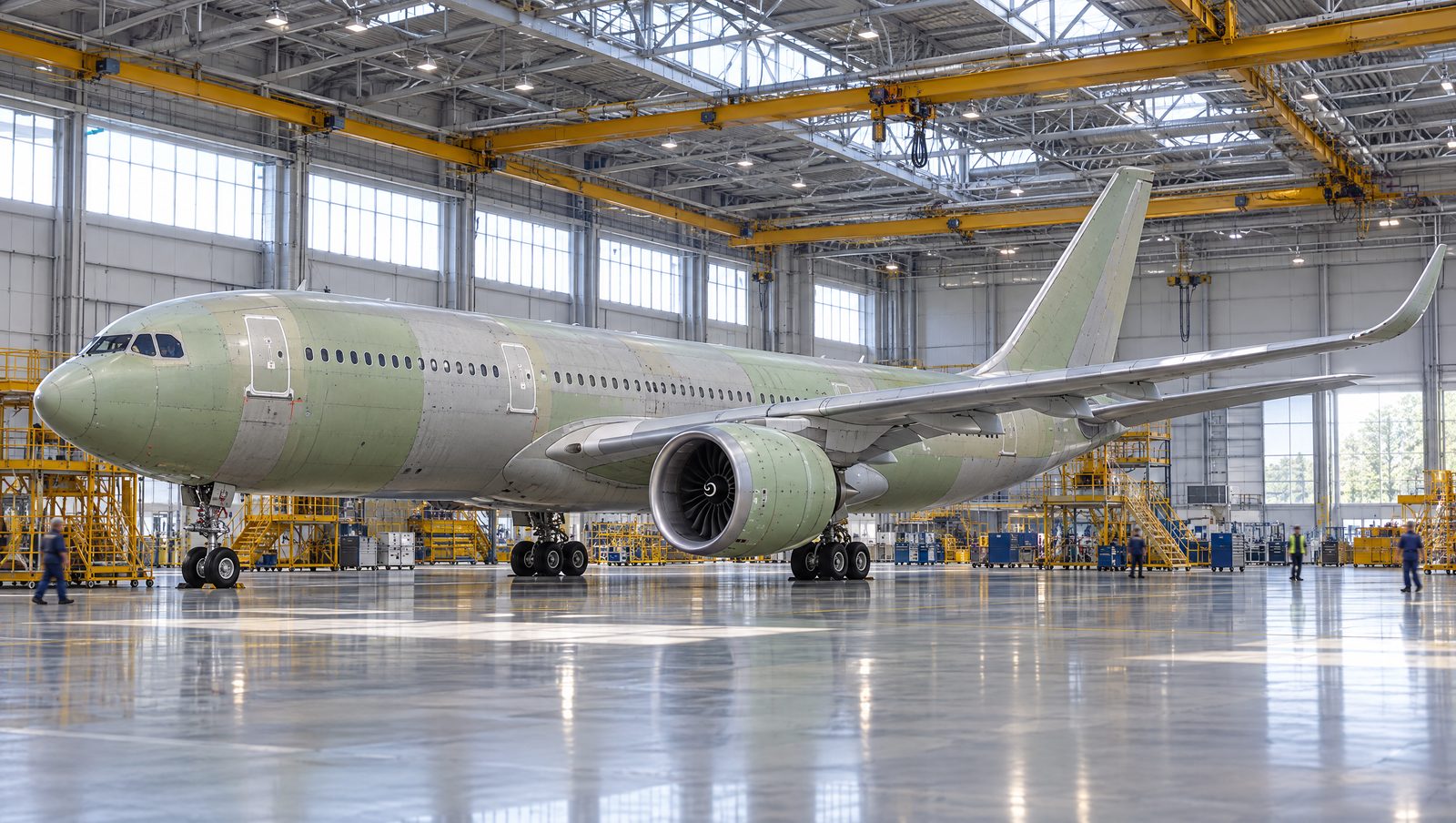
The most advanced member is the Trent XWB, built specifically for the Airbus A350. Rolls-Royce has described it as its most efficient large civil engine, and on the A350 it is the sole engine option, delivering thrust in the region of 84,000 to 97,000 pounds depending on the variant. A close relative, the Trent 7000, is the exclusive engine of the re-engined A330neo. Being the only choice on an airframe is commercially powerful for an engine maker, because every sale of the aircraft is also a sale of the engine.
That dominance has a difficult side, too. The Trent 1000 on the 787 suffered well-documented durability problems, particularly with turbine blades on certain build standards, that forced airlines to inspect and remove engines early and left some aircraft parked while spares were found. It became one of the most expensive reliability episodes in recent engine history and a reminder that squeezing more performance from the hot section raises the stakes if a component wears faster than predicted. Rolls-Royce redesigned the affected parts, but the episode shaped how airlines think about single-source engine risk.
Engines like the Trent are also why the wide-body has consolidated around a handful of suppliers. Developing a large turbofan costs billions and takes years, so only a few manufacturers, Rolls-Royce, General Electric and Pratt & Whitney, along with joint ventures, can play at this level. When an airline picks a wide-body, it is often really choosing an engine and the decades-long maintenance relationship that comes with it.
For passengers, the Trent story is mostly invisible, felt only as the quiet, steady push at the back of a long-haul cabin. But the next time you board an A330, an A350, an A380 or a 787, it is worth remembering that the smooth, fuel-sipping engine outside your window is very likely one branch of a single sprawling family tree, all descended from an idea Rolls-Royce committed to half a century ago: give the fan, the compressor and the core each their own shaft, and let every part spin at exactly the speed it prefers.
AviationShop Editorial Desk. Featured image: AI-generated by AviationShop. By Elena Vargas.








Comments
Loading comments…