


Rolls-Royce is openly weighing a return to the narrowbody engine market after roughly 15 years away, a move that could reshape one of the most lucrative and fiercely contested corners of commercial aviation. For more than a decade the British manufacturer has concentrated almost entirely on powering the world's largest airliners, and a shift back to single-aisle jets would mark one of the industry's biggest competitive changes of the decade.
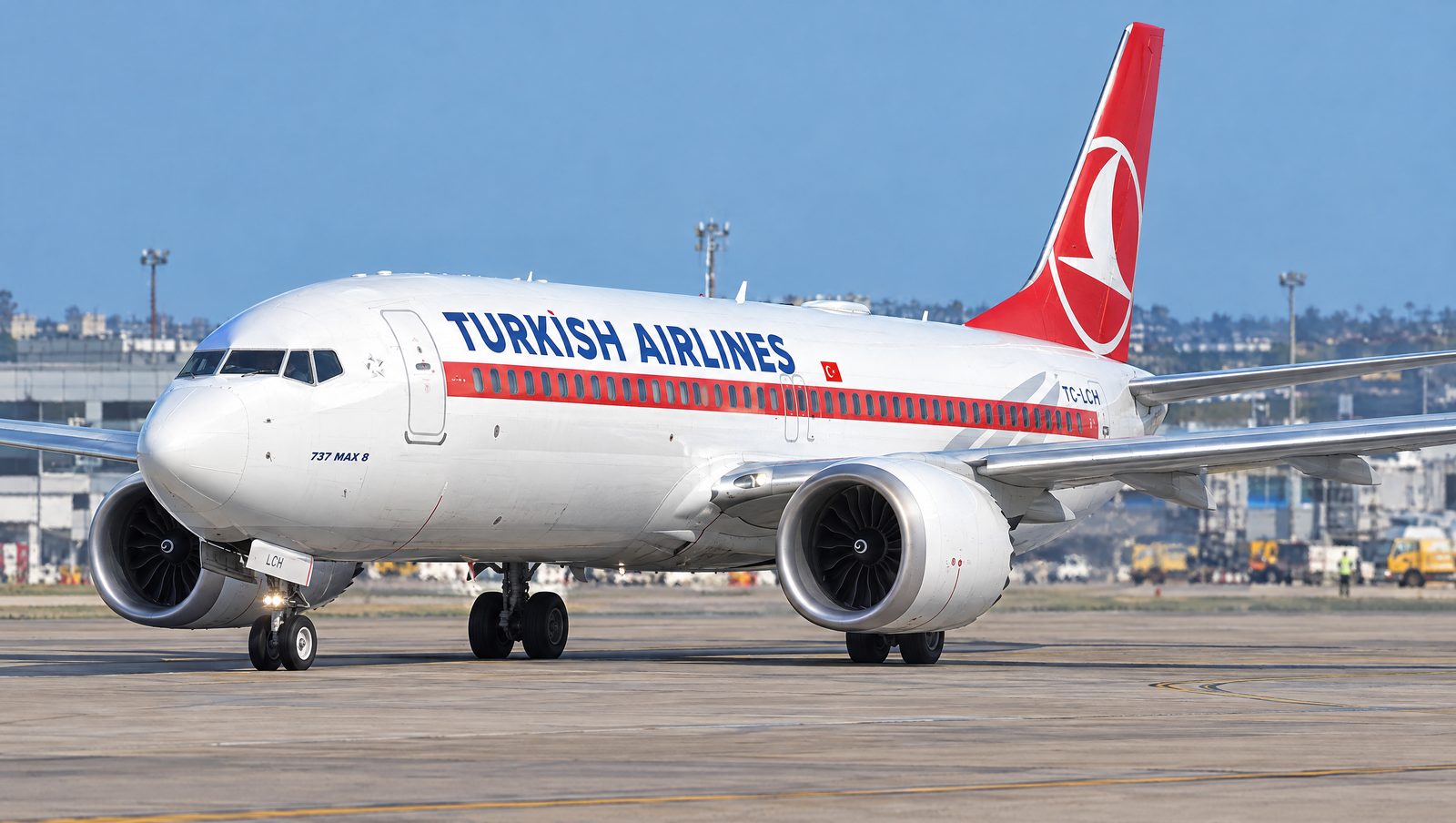
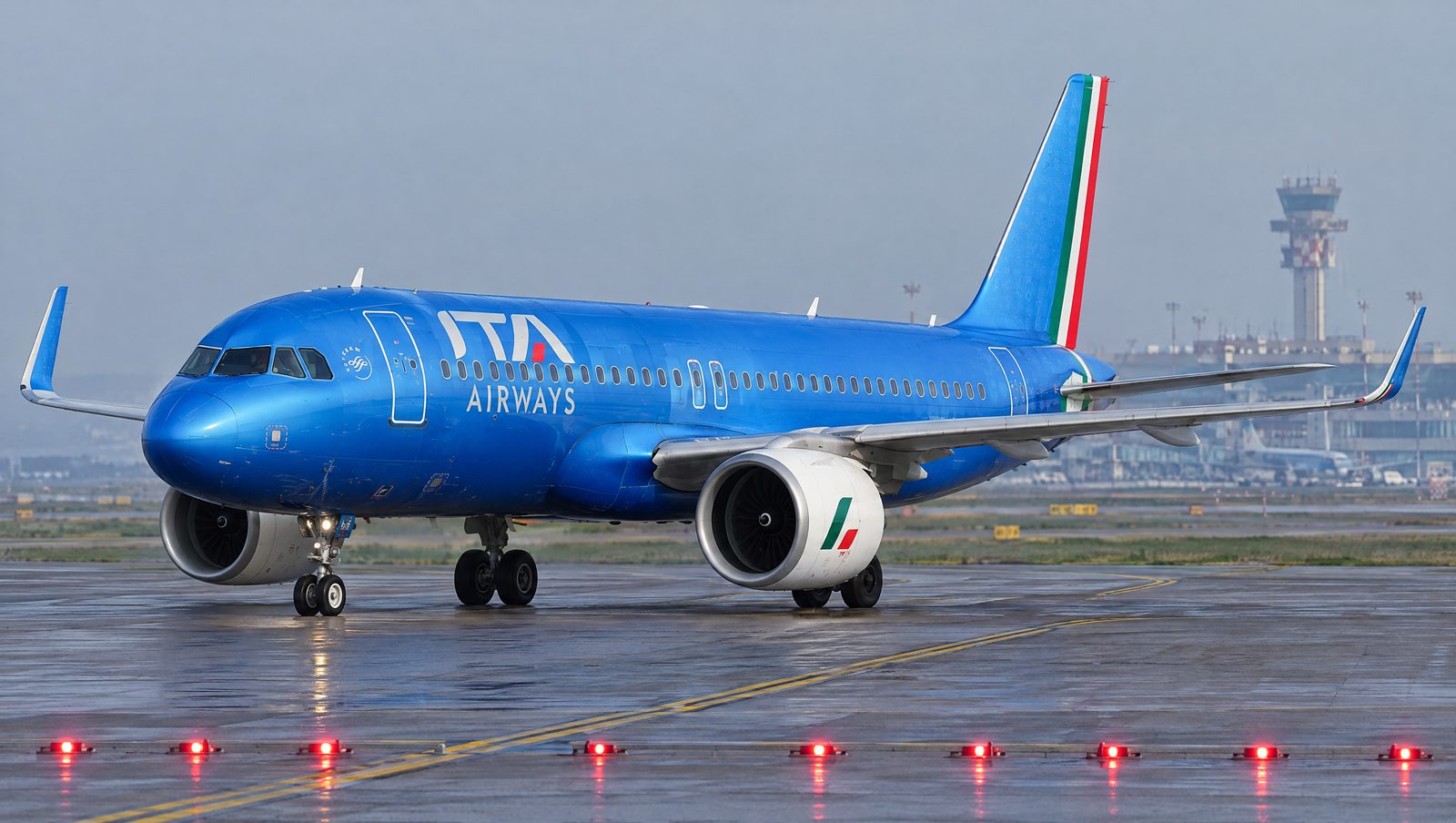
Rolls-Royce's civil aerospace business today is built around widebody aircraft. Its Trent engines power the Airbus A350 and A330neo and, historically, the Boeing 787 Dreamliner, while rivals have fought for dominance on the single-aisle jets that make up the bulk of the global fleet — the Airbus A320neo family and the Boeing 737 MAX. Those narrowbodies sell in far greater numbers than widebodies, which is precisely why the segment is so valuable to engine makers.
The company has stepped back from single-aisle propulsion before, choosing to focus its resources on large long-haul engines rather than compete head-on for the volume market. That decision left the field to a small number of established players and their joint ventures.
Two things appear to be driving the rethink. The first is technology: Rolls-Royce's UltraFan demonstrator, a next-generation architecture designed for greater efficiency, gives the company a credible basis for a modern single-aisle engine rather than a warmed-over older design. The second is money. A stronger balance sheet and improved financial footing give Rolls-Royce more room to fund the enormous development costs that a new narrowbody engine demands.
Timing matters, too. The current generation of single-aisle jets will eventually give way to successors, and engine makers are already positioning for whatever Airbus and Boeing launch next. Entering that contest early — with technology proven on a demonstrator — is a way for Rolls-Royce to avoid being locked out of the segment for another generation.
None of this is a firm commitment. Rolls-Royce is describing an evaluation, not a launch, and any return would involve years of development, huge investment and the challenge of re-establishing itself against entrenched competitors and their support networks. Airlines value engine commonality and mature global support, both of which favour incumbents.
Still, the very fact that Rolls-Royce is talking publicly about single-aisle engines again is significant. It signals confidence in both its technology and its finances, and it puts the wider industry on notice that the comfortable structure of today's narrowbody engine market may not be permanent. If the manufacturer follows through, airlines could eventually gain a third major choice of engine on the world's best-selling jets — and more competition rarely hurts the buyer.
Sources: Simple Flying. Featured image: AI-generated by AviationShop. By Daniel Okafor.








Comments
Loading comments…