


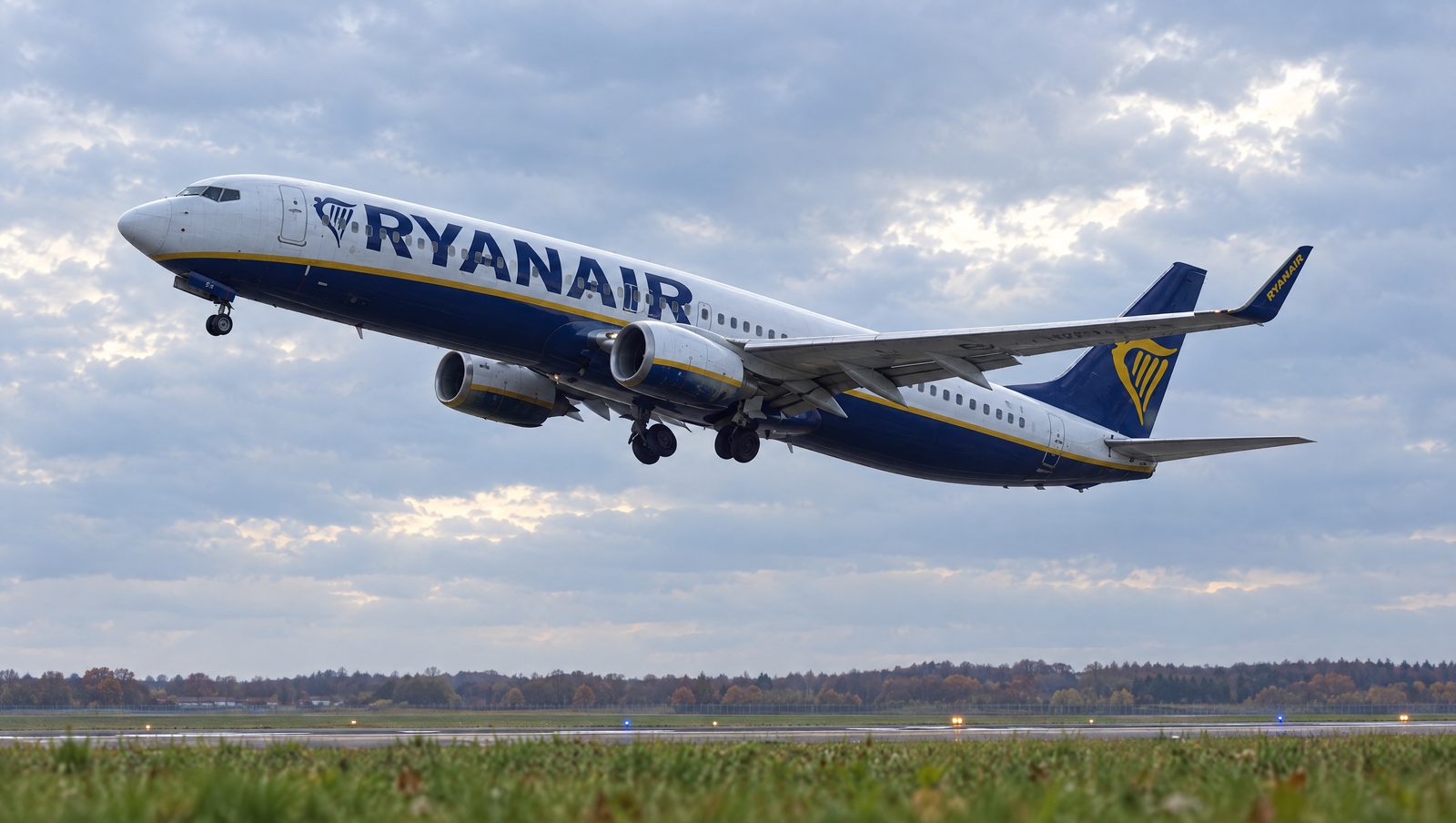
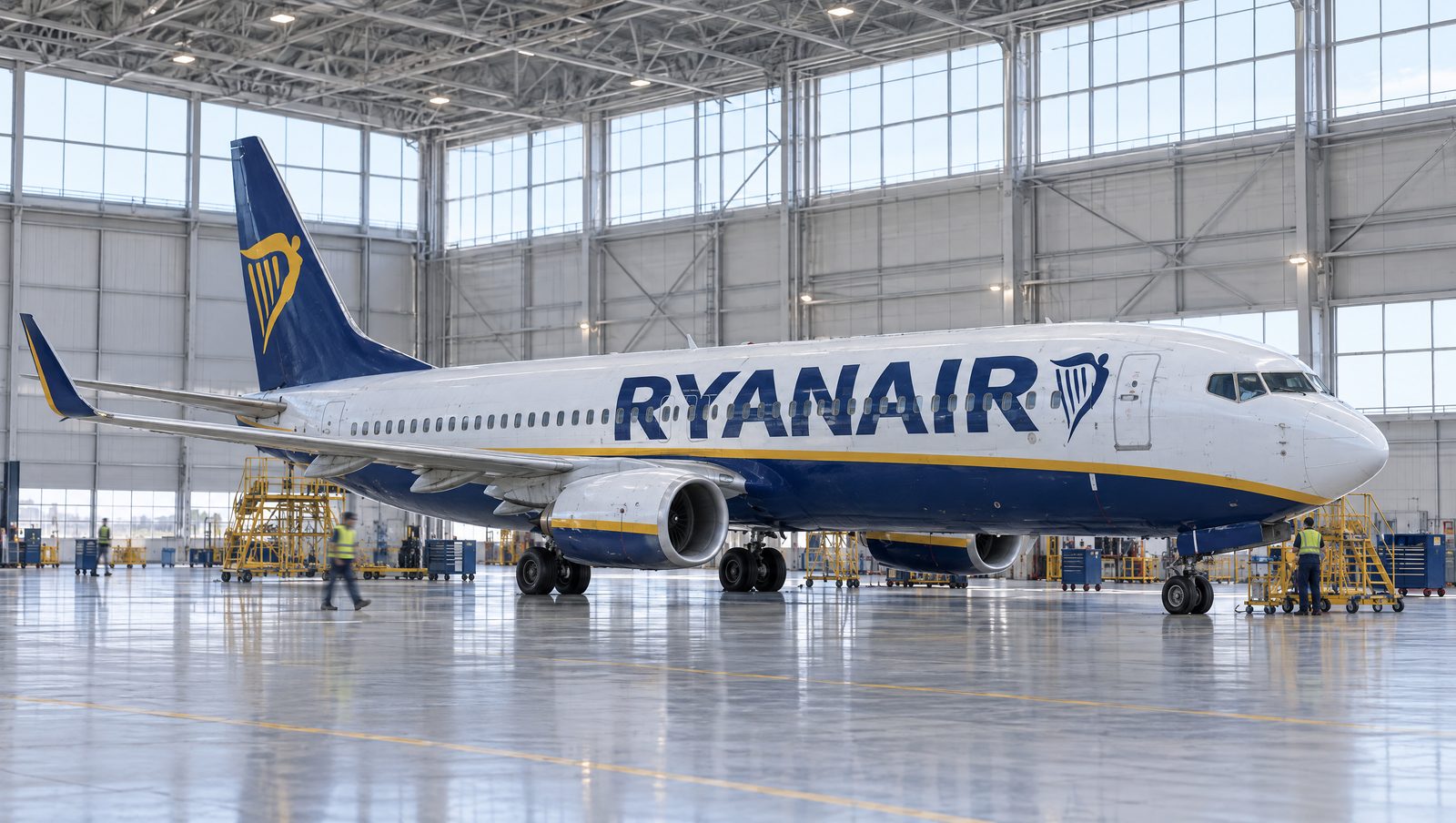
A Ryanair Boeing 737-800 was forced to turn back to Thessaloniki on the morning of July 10 after a cabin window failed shortly after takeoff, partially pulling a passenger toward the opening and leaving him with serious injuries.
The aircraft, operating flight FR1879 from Thessaloniki, Greece, to Memmingen, Germany, on behalf of Ryanair subsidiary Malta Air, had been airborne for roughly eight minutes and was climbing through around 15,000 feet when one of the windows on the right side of the cabin shattered. The cabin depressurised, oxygen masks dropped, and a 61-year-old passenger seated beside the window was partially drawn toward the breach.
According to early reporting, the man had kept his seatbelt fastened, which — together with the intervention of his wife and other passengers — prevented a far worse outcome. Doctors who happened to be on board assisted him during the descent. The crew declared an emergency and returned to Thessaloniki, where the 737-800 landed at 7:09 a.m., a little under an hour after departure.
The injured passenger, reported to be a Serbian national, was taken to AHEPA University Hospital in Thessaloniki, where he was treated for severe friction burns sustained during the brief but violent decompression. No other serious injuries were reported among the remaining occupants.
Initial accounts suggest the sequence began with a problem in one of the aircraft's engines shortly after liftoff, with debris from that failure striking and breaking the window. That account has not yet been formally confirmed, and the precise cause will be a matter for investigators. The aircraft involved is an 18-year-old 737-800 registered 9H-QEU.
Sudden loss of a cabin window in flight is rare but well understood as one of the more serious non-catastrophic events a narrow-body crew can face. Above roughly 10,000 feet the pressure difference between the cabin and the outside air is large enough that a breach can pull loose objects — and, in the worst cases, people — toward the opening, which is why cabin crews stress keeping seatbelts loosely fastened even during smooth cruise. The dropping of oxygen masks and an immediate emergency descent to a breathable altitude are standard, well-drilled responses.
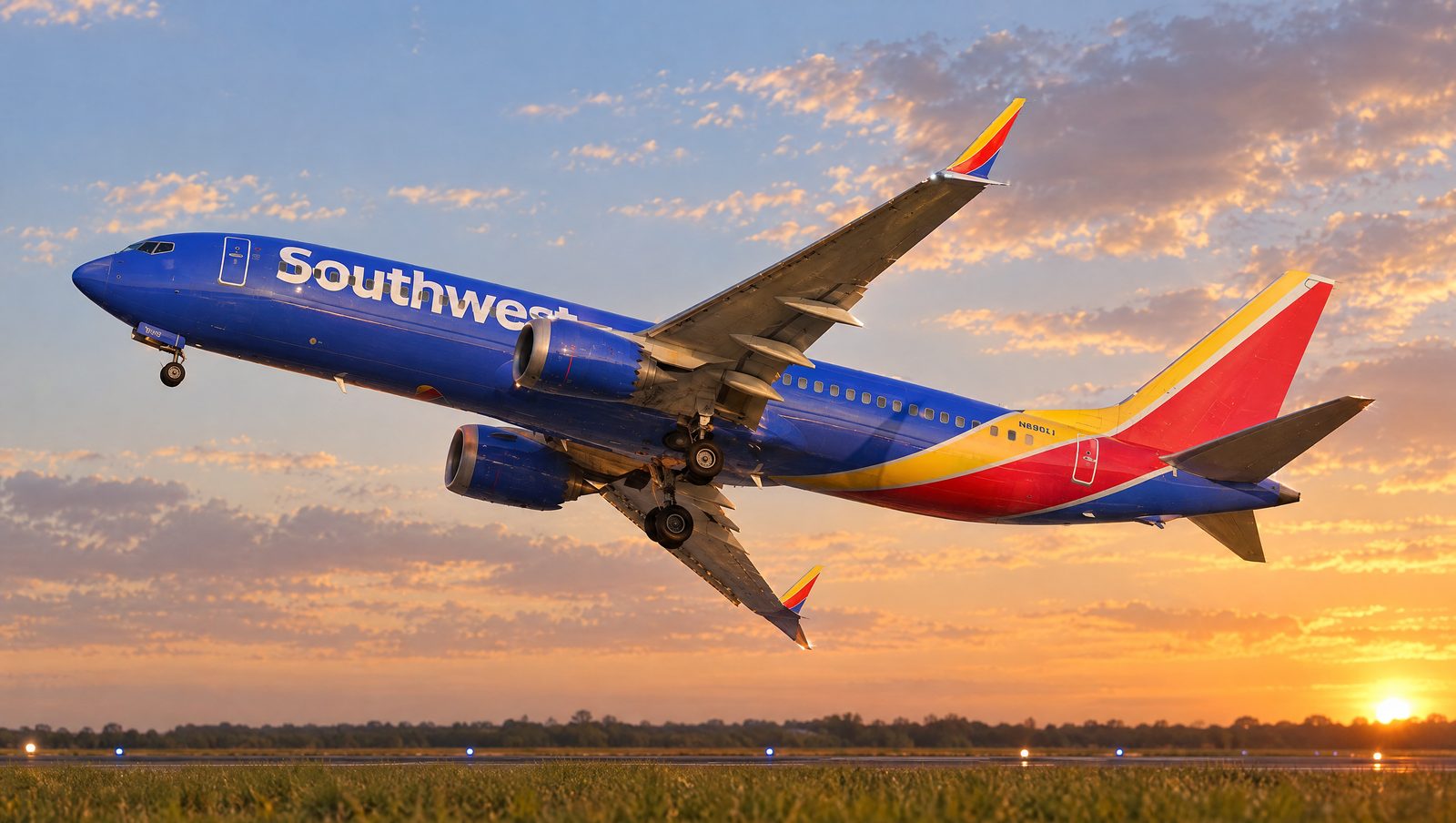
The event inevitably draws comparison with earlier debris-related engine incidents on the 737 family, most notably the 2018 Southwest Airlines accident in which an engine failure sent debris into a window. Modern engines are designed to contain most failures, and events of this kind remain statistically very uncommon across the tens of thousands of 737 flights operated each day.
For Ryanair and Malta Air, the immediate priorities are the welfare of the injured passenger and the technical investigation into what caused the window to fail. The aircraft will remain grounded pending inspection, and safety authorities are expected to review the crew's actions and the airframe's maintenance history as part of the standard process. Passengers on the disrupted service were rebooked onward to Germany.
The incident is a stark reminder that, even on one of the most heavily flown aircraft types in the world, the fundamentals of cabin safety — a fastened seatbelt, a trained crew and a rehearsed emergency descent — remain the difference between a frightening story and a tragedy.
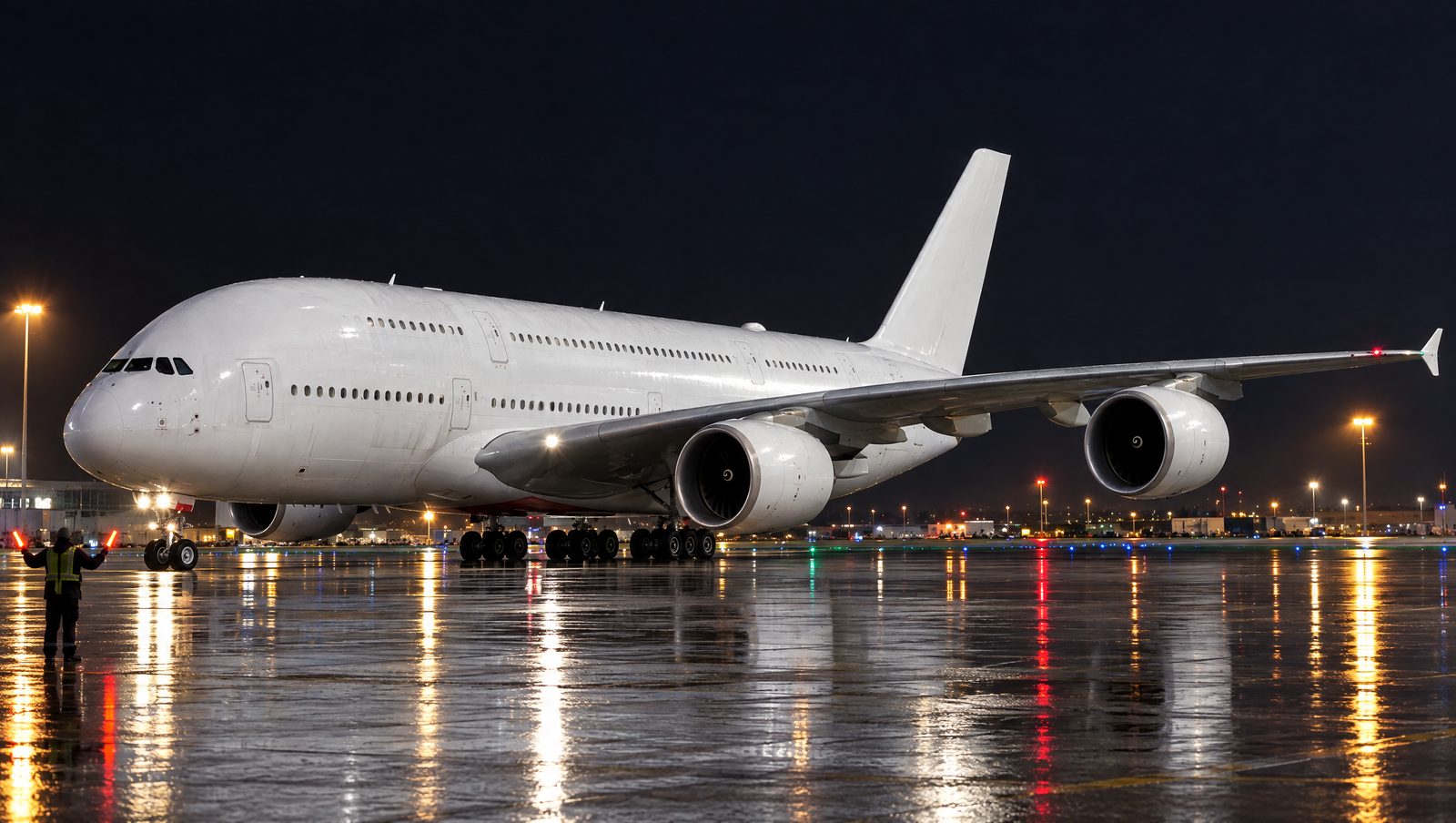
Sources: Simple Flying, AeroTime. Featured image: AI-generated by AviationShop. By Elena Vargas.


Comments
Loading comments…