


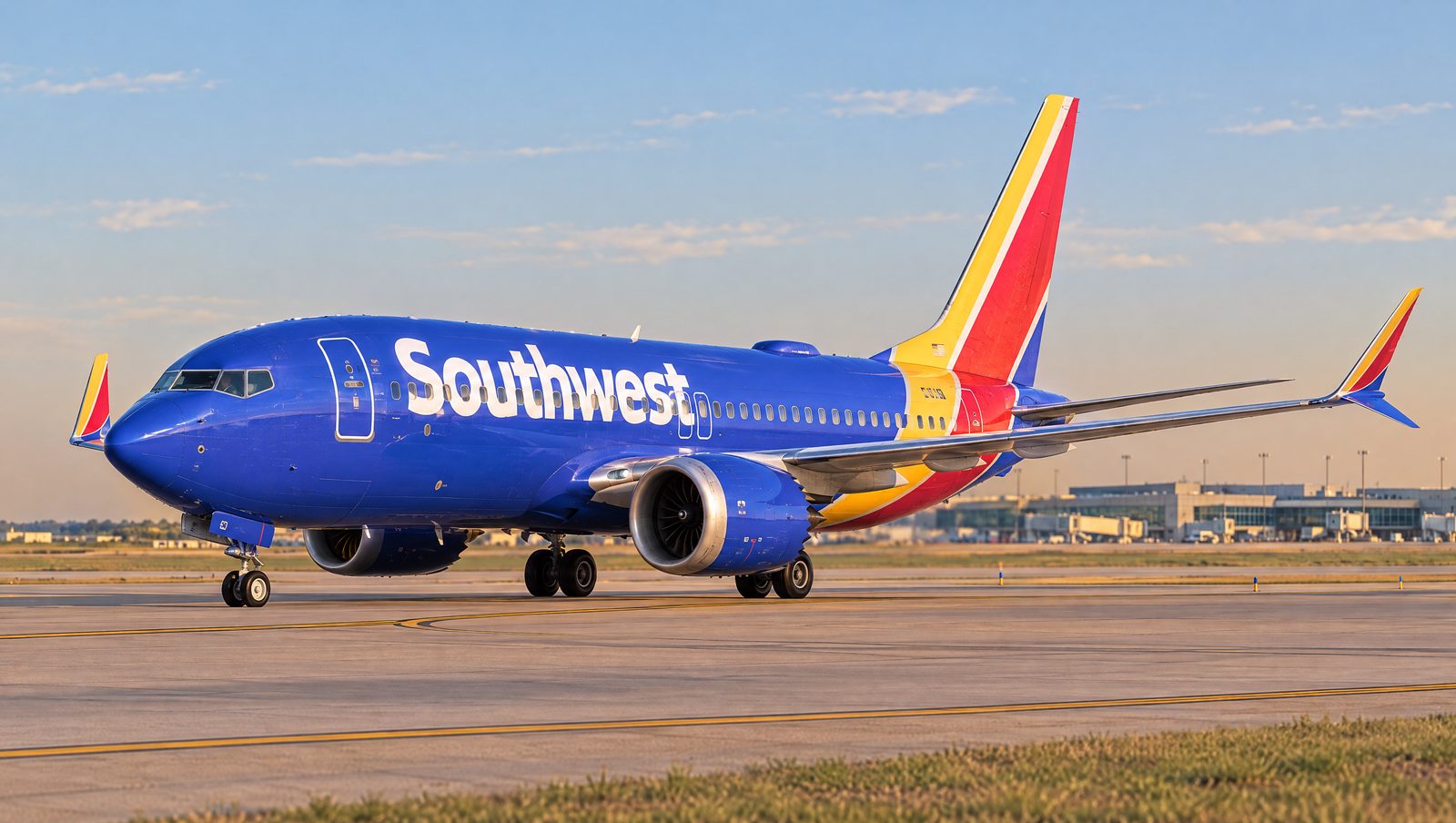
Southwest Airlines has found itself at the center of an online debate after a lighthearted social media post poking fun at one of air travel's most familiar habits drew a wave of pushback from passengers. The carrier's message, shared on Threads, gently mocked travelers who spring to their feet the instant the seat belt sign is switched off at the gate — even though the aircraft often stays parked for several more minutes before anyone can actually step off.
What was intended as a bit of relatable humor quickly turned into a broader conversation about passenger etiquette, generating hundreds of responses from both sides. While many users enjoyed the joke, others argued that the airline was unfairly criticizing behavior that is usually driven by practical reasons rather than simple impatience.
A Joke That Split Travelers
Southwest's post landed in the middle of a long-running divide among frequent fliers. Supporters agreed that jumping up the moment the cabin stops moving accomplishes little, since the doors rarely open right away and standing passengers often end up waiting in the aisle instead of in their seats. “Nobody is getting off any sooner,” one commenter wrote, echoing a common argument that the rush only creates unnecessary congestion inside the cabin.
Critics, however, said the airline missed the point. Several commenters explained that they stand to stretch after sitting for hours, or to gather their belongings so the line moves faster once the door finally opens. “Some of us have been sitting for hours and just want to stretch our legs,” one traveler responded. Another said standing early is “about getting ready so the line moves faster when the door opens,” rather than about being first off the plane.
Why Passengers Stand The Moment They Arrive
Aviation observers note that there are several understandable reasons behind the habit, even if it rarely speeds up the overall deplaning process. Passengers with tight connections often feel pressure to prepare for a quick exit, while those seated toward the rear know they face a wait of several minutes and use the time to organize bags or put on jackets. For many, standing has simply become an ingrained part of the flying routine — a way to feel ready for the next stage of the journey, whether or not it actually saves time.
The behavior is common enough that it has picked up an informal nickname among frequent travelers, who sometimes jokingly refer to eager standers as “aisle lice.” Cabin crews deal with the split behavior on nearly every commercial flight, with some passengers remaining seated until their row is ready and others up and waiting well before the doors open.
Timing Adds To The Debate
The reaction is notable given the timing. Southwest has been rolling out significant changes to its onboard experience, including the introduction of assigned seating and revised boarding procedures — a departure from the open-seating model that defined the airline for decades. Those changes have already sparked strong opinions among loyal customers, and the seat-belt-sign post added another flashpoint to an ongoing conversation about how the carrier is evolving.
Airlines frequently use social media to connect with customers through relatable travel humor, but posts that touch on everyday frustrations can just as easily generate friction. In this case, a simple joke about standing up too early became a reminder that few topics divide travelers quite like airline etiquette — and that even a playful message can prompt thousands of people to weigh in on how passengers should behave once the wheels are on the ground.
Sources: Simple Flying. Featured image: AI-generated by AviationShop. By Elena Vargas.


Comments
Loading comments…