


US lawmakers are intensifying scrutiny of the airline industry following Spirit Airlines' recent collapse, with a congressional hearing now underway to examine competitive dynamics and consolidation in the US aviation market. The proceedings have reignited debate over antitrust enforcement and the health of low-cost carriers, which have historically played a critical role in keeping fares competitive across domestic routes. Spirit's demise marks a significant moment for the industry, as the carrier had operated as an independent ultra-low-cost airline (ULCC) for decades, competing aggressively on price-sensitive routes where legacy carriers and larger competitors had historically maintained higher margins.
Spirit's fleet was predominantly composed of Airbus A320 family aircraft, the industry workhorse narrow-body jet that powers short- and medium-haul operations across North America and globally. The A320's efficiency, reliability, and high-density seating configuration made it ideal for Spirit's business model, which relied on maximizing load factors and minimizing per-seat operating costs. As Spirit faced mounting financial pressures and operational challenges, the disposition of its A320s has become a focal point for industry observers and lawmakers alike, with questions about how those aircraft will be absorbed into the broader market and whether their loss represents a permanent reduction in low-cost capacity.
The congressional hearing reflects broader concerns among US lawmakers about airline industry consolidation and its effects on competition. Over the past two decades, a series of major mergers—including the combinations of America West and US Airways, Delta and Northwest, and United and Continental—have significantly reduced the number of independent carriers competing on major routes. While these consolidations have been approved by antitrust authorities, critics argue they have contributed to sustained high fares on certain routes and reduced consumer choice. Spirit's collapse removes yet another independent competitor, and lawmakers are questioning whether existing antitrust frameworks are sufficient to protect competition in an industry with high barriers to entry and substantial capital requirements.
Low-cost carriers like Spirit have historically served a critical competitive function, forcing legacy airlines to reduce fares and improve ancillary revenue models to retain passengers. The ULCC segment, which strips away amenities and charges separately for seat selection, baggage, and other services, has proven attractive to price-sensitive leisure and business travelers, particularly on routes where traditional carriers command premium positioning. Spirit's financial distress and eventual collapse raise questions about the long-term viability of the ultra-low-cost model in an environment of elevated fuel costs, labor pressures, and increased airport fees—dynamics that have compressed margins industry-wide since the pandemic.
Lawmakers and industry observers have highlighted several structural factors that may have contributed to Spirit's decline, including increased competition from larger carriers expanding their own economy offerings, rising operational costs, and challenges in maintaining aircraft utilization rates. The hearing is expected to explore whether regulatory changes or enforcement actions might be necessary to preserve meaningful competition in the sector. Some participants have advocated for scrutiny of interline agreements and capacity-sharing arrangements among dominant carriers, arguing that such partnerships can effectively eliminate independent competition without formal mergers.
The timing of the hearing underscores ongoing tension between the airline industry's capital intensity and its role as a public utility serving the traveling public. Lawmakers are balancing recognition that airlines operate in a competitive, cyclical industry with concerns that excessive consolidation can durably harm consumers through higher fares and reduced frequency. Aviation analysts note that the A320 aircraft currently operated by Spirit may eventually migrate to other carriers or lessors, but the loss of Spirit's independent brand and operational network represents a permanent reduction in the competitive landscape.
As the hearing unfolds, the focus remains on whether Congress will pursue legislative or regulatory action to strengthen antitrust enforcement in aviation or impose structural requirements on the industry. The collapse of Spirit has provided momentum for those advocating a more interventionist approach, though the industry continues to argue that market forces and existing regulations remain adequate. The outcome of this congressional scrutiny may shape regulatory policy toward airlines for years to come, with particular implications for low-cost carriers and the broader competitive health of the US aviation market.
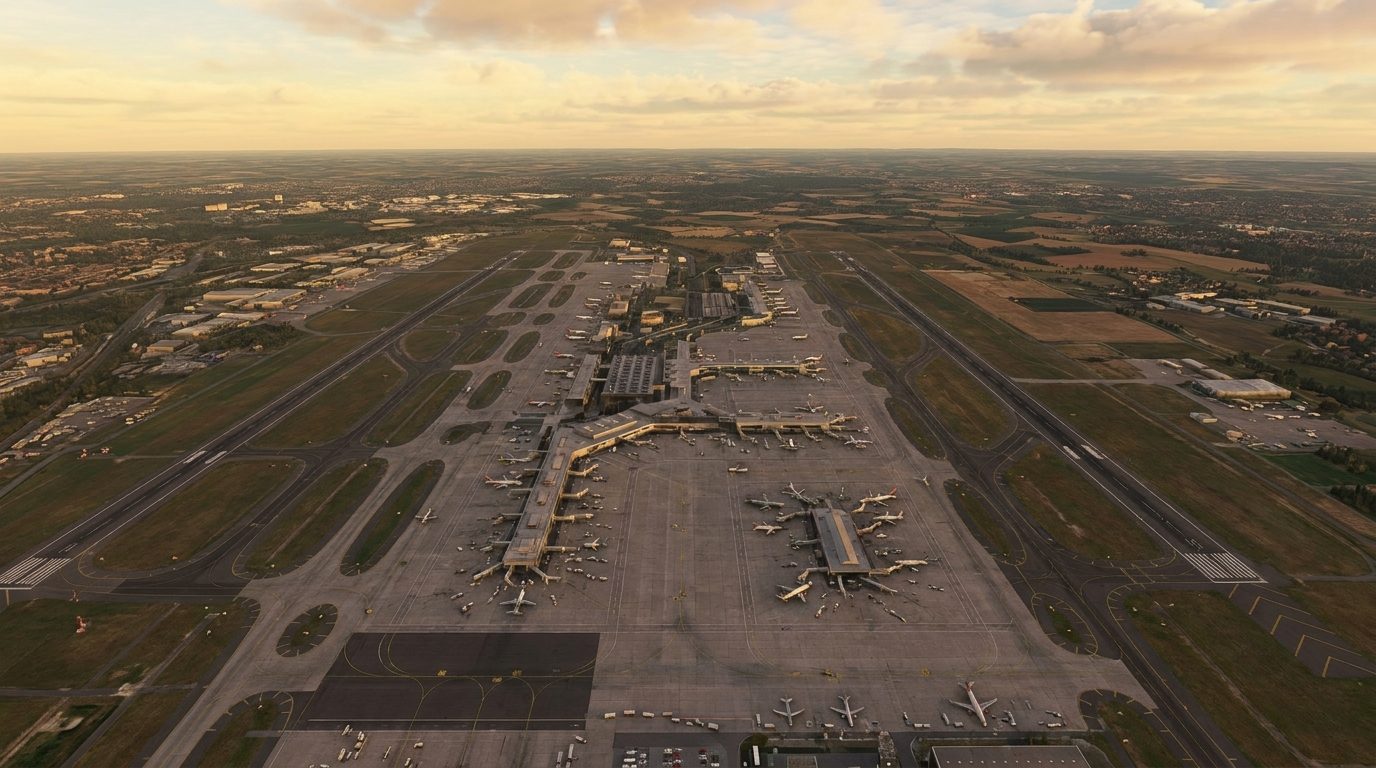
Sources: AeroTime & Reuters. Featured image: AI-generated by AviationShop. By Daniel Okafor.




Comments
Loading comments…