


Turkish Airlines has confirmed one of the deepest schedule cuts of any major European or Middle Eastern carrier so far this year, pulling roughly 520,000 seats and more than 100 weekly departures from its May programme. The Istanbul-based carrier has also signalled that 18 international destinations will be dropped from its global network through the rest of 2026, spanning Africa, Europe, the Middle East, Central Asia and Latin America. Management has blamed the Strait of Hormuz blockage and the resulting jet fuel spike for forcing a fast, structural rethink of the network.
Why the network is shrinking
For more than a decade, Turkish Airlines has built its identity on connecting almost any two points on the planet through Istanbul. That model relies on extremely long sectors flown by Boeing 777-300ERs and Airbus A350s, which are unusually fuel-hungry compared with narrowbody flying. With jet fuel prices structurally higher this spring and major Gulf routings still being detoured around closed airspace, the marginal cost of an Istanbul transit has risen sharply. Several long, thin routes that worked at lower fuel prices no longer break even.
Turkish Airlines has also extended its suspension of services to and across the Gulf and Iran through May 31, with only a phased restart underway. Damascus, Beirut and Amman resumed on May 1, Riyadh is planned for mid-May, and Dubai, Doha and Tel Aviv are tentatively pencilled in for July 1 — none of which is helping fill the gap left by Hormuz-region cancellations.
Which markets feel it
The 18-destination cut list will be released in stages, but the carrier has confirmed that long, low-yield routes in Africa, Central Asia and Latin America are most exposed. Frequencies on retained routes will also be trimmed where possible, particularly second daily or weekend-heavy services. Premium-heavy Western European and US flying is expected to be largely protected, because corporate and high-yield leisure traffic remains the most defensible part of the revenue mix.
Codeshare partners, including some Star Alliance carriers and SkyTeam connections used by Turkish Airlines Cargo, will absorb some of the displaced demand. Passengers booked on cancelled flights are being rebooked on the next-best operating sectors or refunded.
What it means for the wider industry
Turkish Airlines is far from alone — Lufthansa, British Airways, Air France-KLM and Air India have all announced rolling capacity cuts in May for the same underlying reason. But Turkish's scale of reduction is striking and underscores how fragile the long-haul connecting model becomes once fuel and airspace shocks combine. If the Strait of Hormuz disruption continues into the summer peak, more route obituaries are likely to follow.
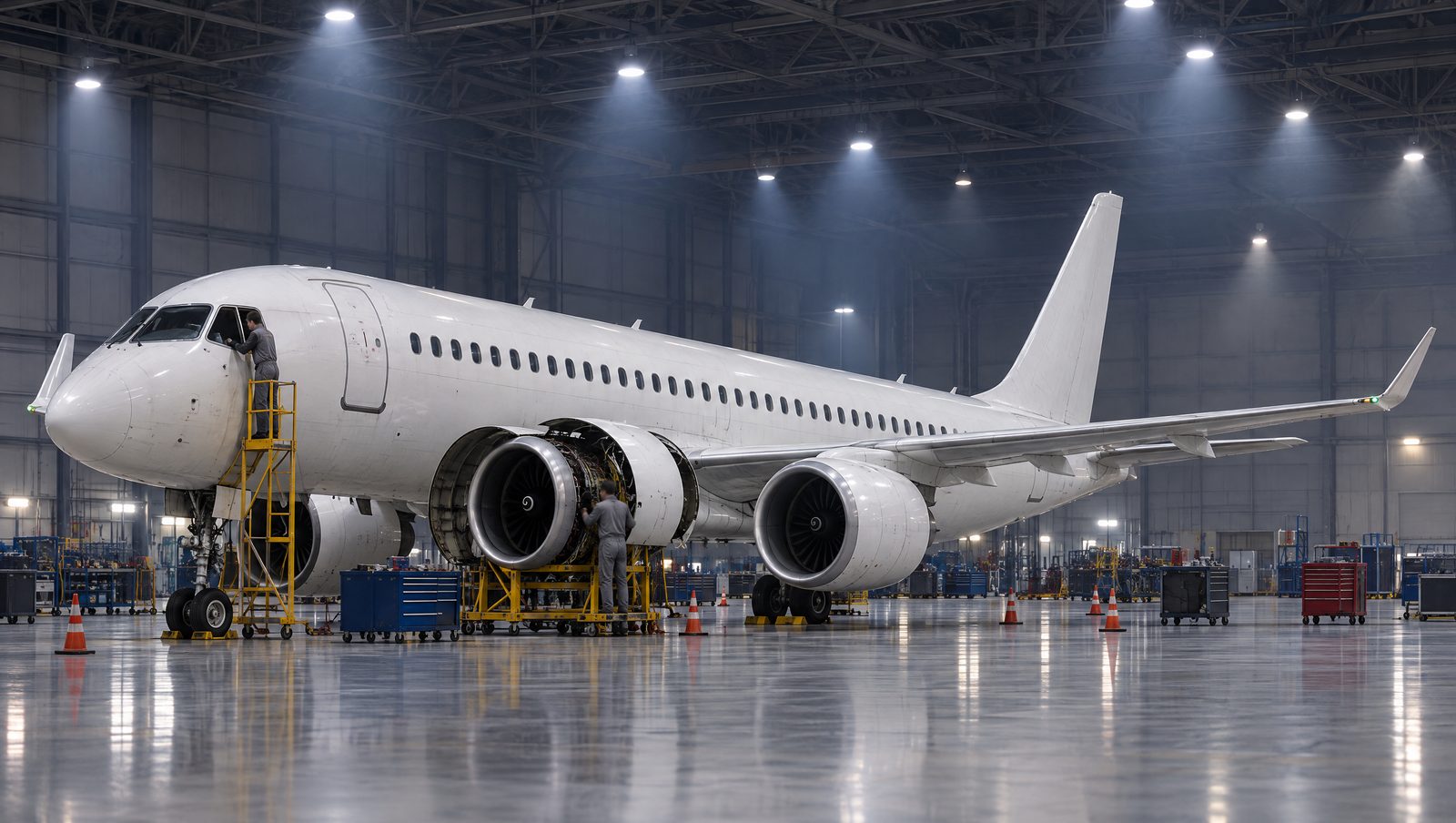
Compiled from publicly available aviation news sources. Featured image: AI-generated by AviationShop. This article is original editorial content; facts have been verified across multiple public sources.


Comments
Loading comments…