


United Airlines has launched two new transcontinental routes utilizing the Boeing 737 MAX 8, each spanning approximately six hours of flight time from Portland, Maine. This expansion marks a strategic deployment of the fuel-efficient narrowbody jet on longer domestic routes, reflecting United's confidence in the aircraft's range and operational economics following its return to service across the industry.
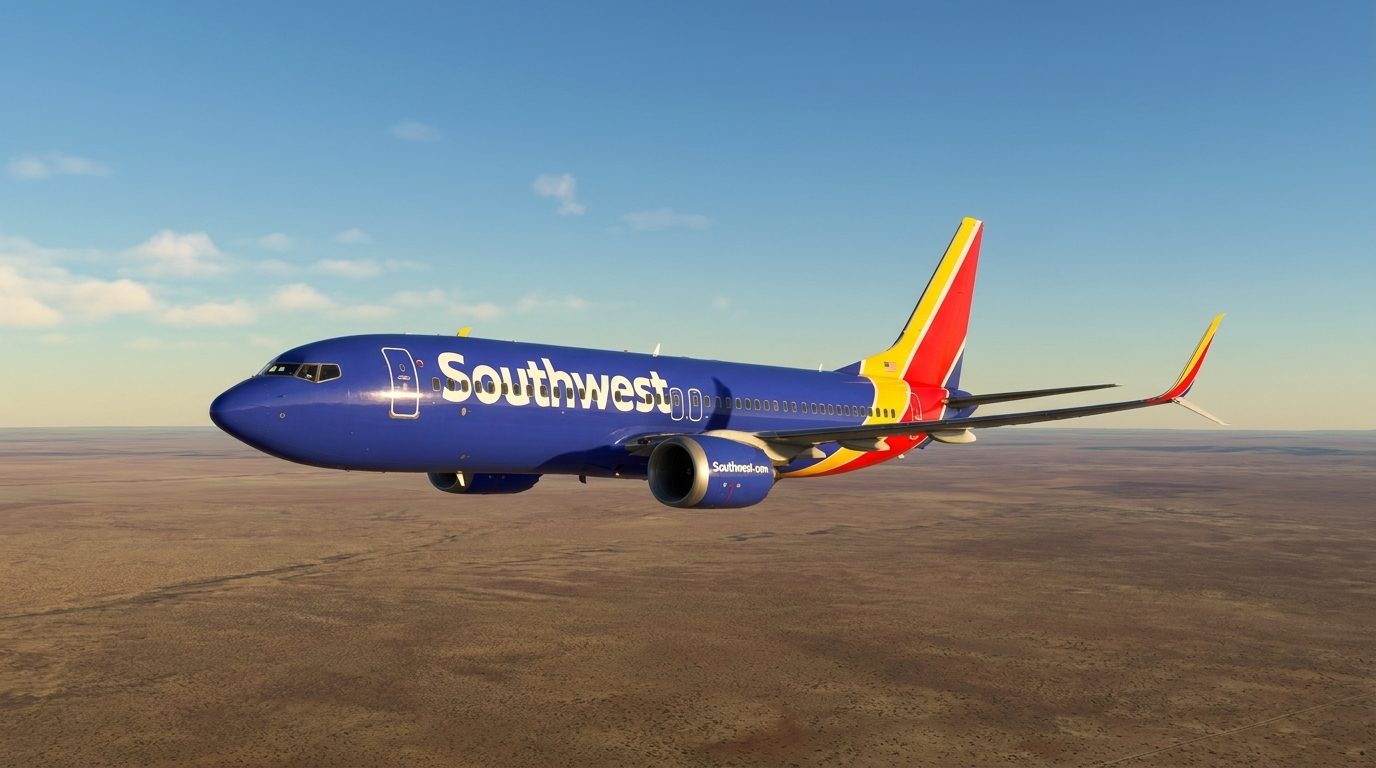
The 737 MAX 8 represents a significant advancement in single-aisle aircraft design, featuring the CFM International LEAP-1B engine that delivers roughly 20 percent better fuel efficiency compared to the 737 NG it replaces. With a maximum range of approximately 3,550 nautical miles, the MAX 8 is well-suited for six-hour domestic transcontinental operations, allowing carriers to deploy single-aisle economics on routes traditionally reserved for widebody aircraft. The type's composite materials, aerodynamic enhancements, and advanced avionics contribute to lower operating costs per available seat mile, a critical metric as airlines optimize profitability in competitive markets.
United's deployment of the 737 MAX 8 on these Maine routes reflects broader industry trends toward right-sizing capacity on longer routes. The aircraft carries a typical configuration of 160 to 190 seats depending on cabin layout, allowing United to serve point-to-point demand without the overhead of larger widebody jets. For regional gateways like Maine, which lack the connecting hub infrastructure of major metropolitan centers, this capacity sweet spot enables viable service to distant markets while maintaining acceptable load factors and revenue per departure.
The timing of this expansion comes as the 737 MAX has achieved operational stability following its 2020 return to service. Carriers worldwide have systematized MAX operations, developed pilot proficiency standards, and integrated the aircraft into long-term fleet planning. United's willingness to assign the type to new routes on extended flight times signals industry-wide acceptance of the aircraft's reliability and efficiency for demanding operational schedules. The six-hour flight time also falls well within crew duty regulations, requiring single crew change capabilities rather than complex multi-crew rotations.
From a market perspective, United's Maine expansion addresses underserved transcontinental demand from the Northeast. Portland International Jetport and other Maine facilities have historically relied on connections through hub airports or larger carriers for cross-country service. Direct six-hour flights open new possibilities for business and leisure travelers in the region while generating incremental revenue for United's network. The routes also leverage Maine's geographic position on the northeastern seaboard, positioning the state as a practical launching point for westbound transcontinental traffic.
Operationally, the 737 MAX 8's superiority in fuel burn directly impacts route profitability on long domestic missions. At six hours, fuel represents one of the largest variable costs for the operator. The LEAP engine's thermal efficiency and reduced specific fuel consumption enable better margin realization compared to earlier narrowbody generations, particularly on thin transcontinental markets where per-seat revenue may be lower than premium metropolitan pairs. This efficiency gain was a central justification for 737 MAX program development and continues to drive adoption among operators managing network economics in a rising fuel price environment.
United's expansion also reflects confidence in passenger demand recovery and route feasibility post-pandemic. The carrier has systematically returned capacity to domestic markets and pursued network growth in underserved regions. Maine's population and tourism economy, combined with the Northeast's affluent customer base, supports sustainable demand on transcontinental service. By deploying an efficient, modern aircraft to serve this market, United positions itself competitively while maintaining favorable unit economics on routes that might otherwise require larger, less efficient equipment or remain unserved entirely.
Sources: Simple Flying. Featured image: AI-generated by AviationShop. By Elena Vargas.


Comments
Loading comments…