


Air Arabia has launched daily non-stop service between Sharjah and Aleppo, Syria, effective July 4, operating with Airbus A320 aircraft. The route marks a significant expansion of the low-cost carrier's presence in the Syrian market and represents renewed commercial aviation connectivity to Aleppo International Airport following years of regional instability.
The Airbus A320 is the backbone of Air Arabia's fleet and an ideal aircraft for this regional route. The narrow-body jet offers a typical seating capacity of around 174 passengers in a high-density single-class configuration, enabling the airline to optimize load factors on regional sectors. With a range of approximately 3,000 nautical miles, the A320 comfortably covers the roughly 2,500-kilometer distance between Sharjah International Airport in the United Arab Emirates and Aleppo, delivering fuel efficiency and operational reliability critical to low-cost carrier economics.
Sharjah serves as Air Arabia's primary hub and operational base, making it a logical gateway for expanding service into the Levant region. The airline has systematically built its network across the Middle East, North Africa, and South Asia, leveraging Sharjah's position as a secondary UAE aviation hub with lower slot congestion than Dubai. This latest route addition underscores Air Arabia's strategy to capture underserved regional markets where demand exists but larger full-service carriers have limited presence.
The resumption of scheduled commercial service to Aleppo reflects stabilization efforts in northern Syria and represents a calculated business decision by Air Arabia to tap demand from diaspora communities, business travelers, and those reconnecting with the region. Aleppo, historically Syria's largest city and commercial center, has seen gradual resumption of economic activity following the Syrian civil conflict. The availability of daily non-stop service reduces travel friction for passengers who previously relied on connections through regional hubs, enhancing the commercial viability of the route.
Air Arabia's network expansion strategy typically focuses on point-to-point connectivity between underserved city pairs where the airline can leverage its cost structure to offer fares below traditional carriers. The daily frequency on Sharjah-Aleppo indicates management confidence in sustained demand and the route's financial viability. The airline's ability to operate lean, high-utilization networks—with minimal ground handling overhead and rapid turnarounds—enables profitability on routes that would be marginal for legacy carriers.
From an industry perspective, the launch signals cautious optimism about regional aviation recovery and reflects broader post-pandemic normalization of air travel patterns in the Middle East. Gulf-based carriers have historically demonstrated agility in identifying and capturing market opportunities, and Air Arabia's move into Syrian markets aligns with this competitive positioning. The airline competes directly with other low-cost operators and regional carriers across the Gulf and Levant, and network expansion into growing markets remains essential to sustaining long-term growth.
Operationally, Air Arabia's existing A320 fleet and established ground support infrastructure at Sharjah minimize capital requirements and deployment complexity. The airline can allocate aircraft from existing rotations or modest fleet additions to support new route launches with minimal disruption to existing services. This operational flexibility has been central to Air Arabia's growth model since its founding in 2003 and continues to differentiate it in competitive regional markets.
The Sharjah-Aleppo service joins Air Arabia's broader Middle Eastern and international network, which continues to evolve in response to demand patterns and geopolitical developments. As regional stability improves and air travel demand strengthens, additional route expansion opportunities may emerge, particularly on underserved sectors within the Levant and surrounding regions.
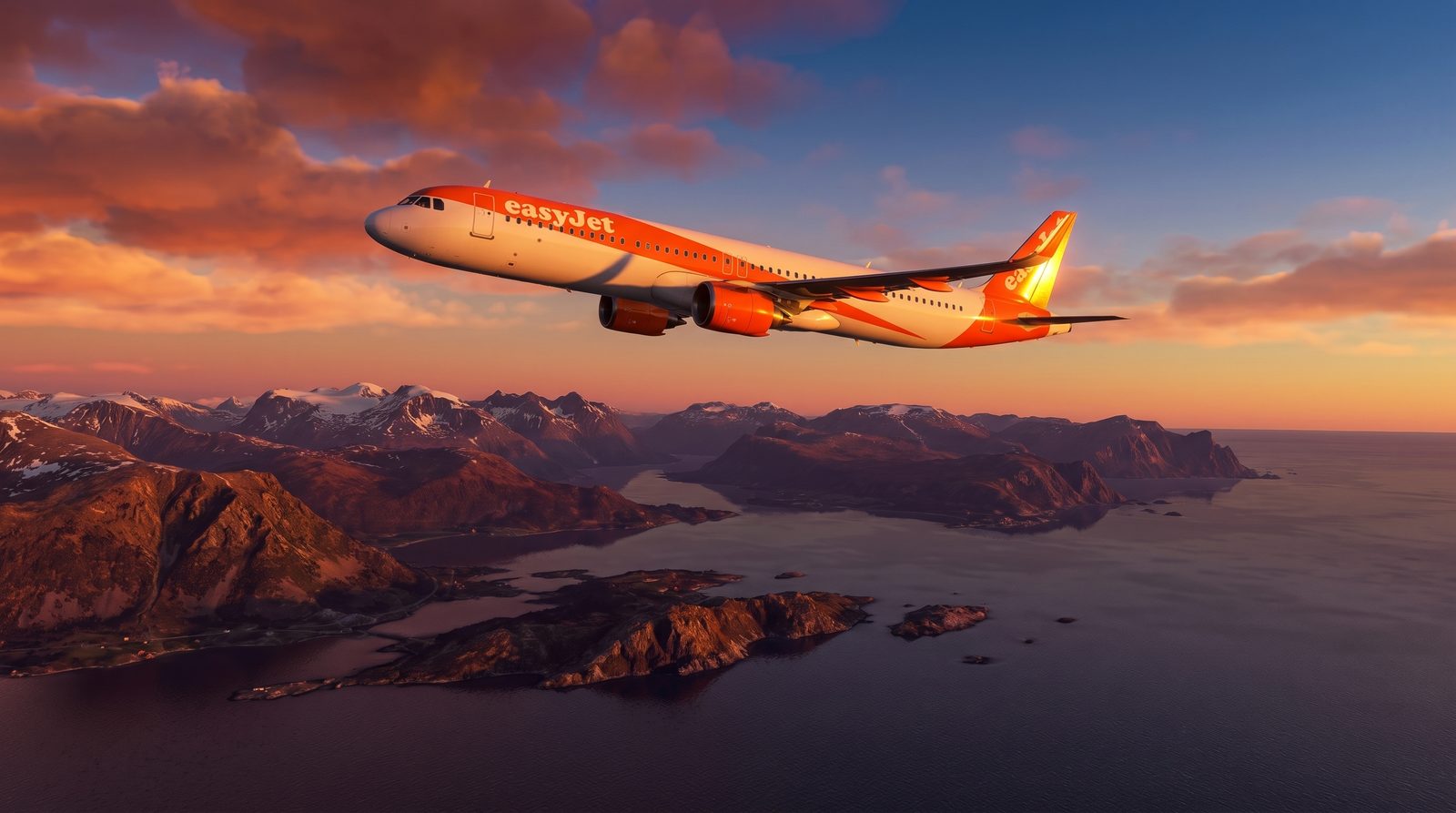
Sources: Gulf News & Aviation Business ME. Featured image: AI-generated by AviationShop. By Daniel Okafor.


Comments
Loading comments…