


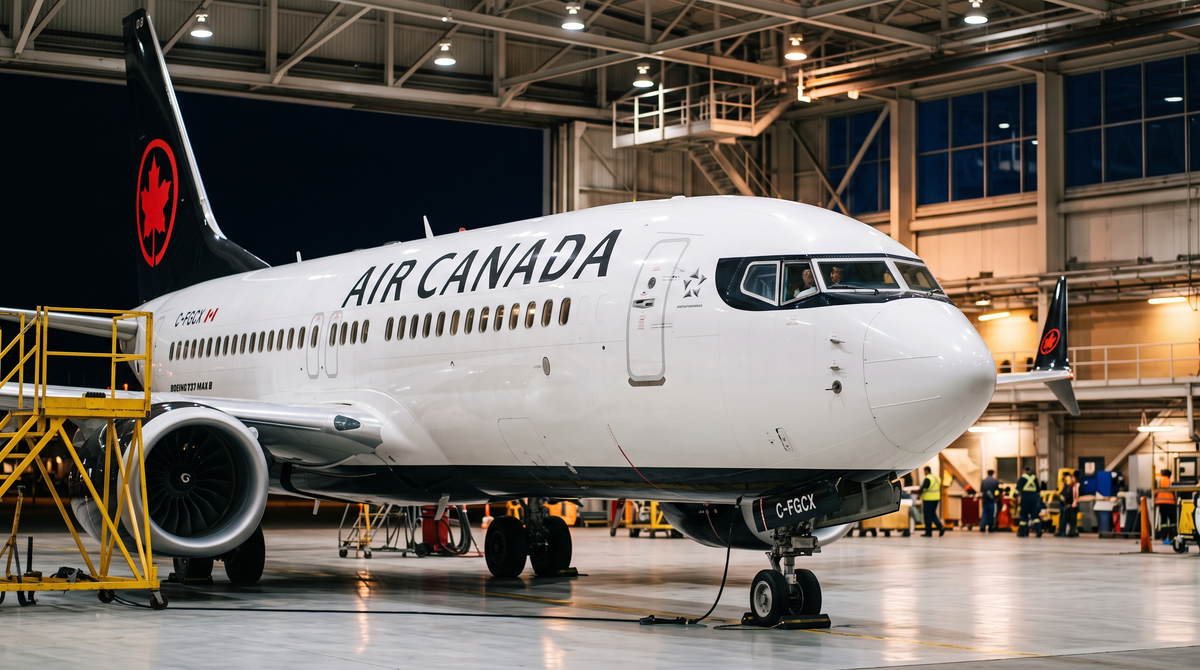
Air Canada has reached a new tentative collective agreement with the International Association of Machinists and Aerospace Workers (IAMAW), covering approximately 11,000 employees across the airline's technical and operational divisions. The deal was announced on July 13, 2026, according to a GlobeNewswire release, and now goes to the union's membership for a ratification vote that is expected to be completed within days.
The agreement covers Air Canada's Technical Operations, Maintenance and Operational Support group. That is a broad bargaining unit: it takes in employees working in Technical Operations, Airports, Cargo, Logistics and Supply — in other words, much of the workforce that keeps the airline's fleet airworthy and its stations running, rather than the flight crews who appear at the front of the cabin.
The proposed contract runs for four years. It would take effect retroactively from April 1, 2026 and remain in place until March 31, 2030, giving both sides a long runway of labour stability at a moment when the wider industry is wrestling with cost inflation and a tight supply of licensed engineers. Air Canada said the agreement recognises the contributions and skills of its employees.
The second IAMAW deal in as many months
This is not the carrier's first agreement with the machinists' union this year. In June, Air Canada and the IAMAW reached a separate tentative agreement covering more than 11,000 employees in Maintenance, Cabin Services, Airport Airside Operations, Cargo, Finance and Clerical roles. The terms of that deal were kept confidential pending ratification by union membership and approval by Air Canada's board of directors.
Taken together, the two agreements represent an unusually intense period of bargaining. If the latest deal is ratified, it would be the sixth collective agreement concluded at Air Canada in 2026 — a pace that reflects how many of the airline's contracts came up for renewal in the same window, and how determined management appears to be to close them out rather than let them drift toward open conflict.
Why maintenance contracts matter more than they used to
Aircraft maintenance has quietly become one of the tightest constraints in commercial aviation. Licensed aircraft maintenance engineers take years to certify, they are in demand from airlines, MRO providers and manufacturers alike, and a shortage of them shows up not as a headline but as an aircraft sitting on jacks in a hangar while a scheduled flight is cancelled. For an airline the size of Air Canada — which operates a mixed Airbus and Boeing fleet from major bases in Toronto, Montreal and Vancouver — the ability to keep hangar shifts fully staffed is a direct input into on-time performance.
That is part of why labour peace in the technical division is worth more to a carrier than the raw headcount suggests. A stoppage among 11,000 technical and operational-support employees would not merely inconvenience a handful of flights; it would degrade the airline's ability to return aircraft to service at all, with knock-on effects that compound across the network within days.
Union members will now review the proposed terms before voting. Neither Air Canada nor the IAMAW has published the detailed wage and benefit provisions, and until ratification is complete the agreement remains tentative. Should the membership vote it down, the two sides would return to the table — but the fact that this is the second tentative deal the parties have produced in roughly a month suggests the negotiations have been productive rather than adversarial.
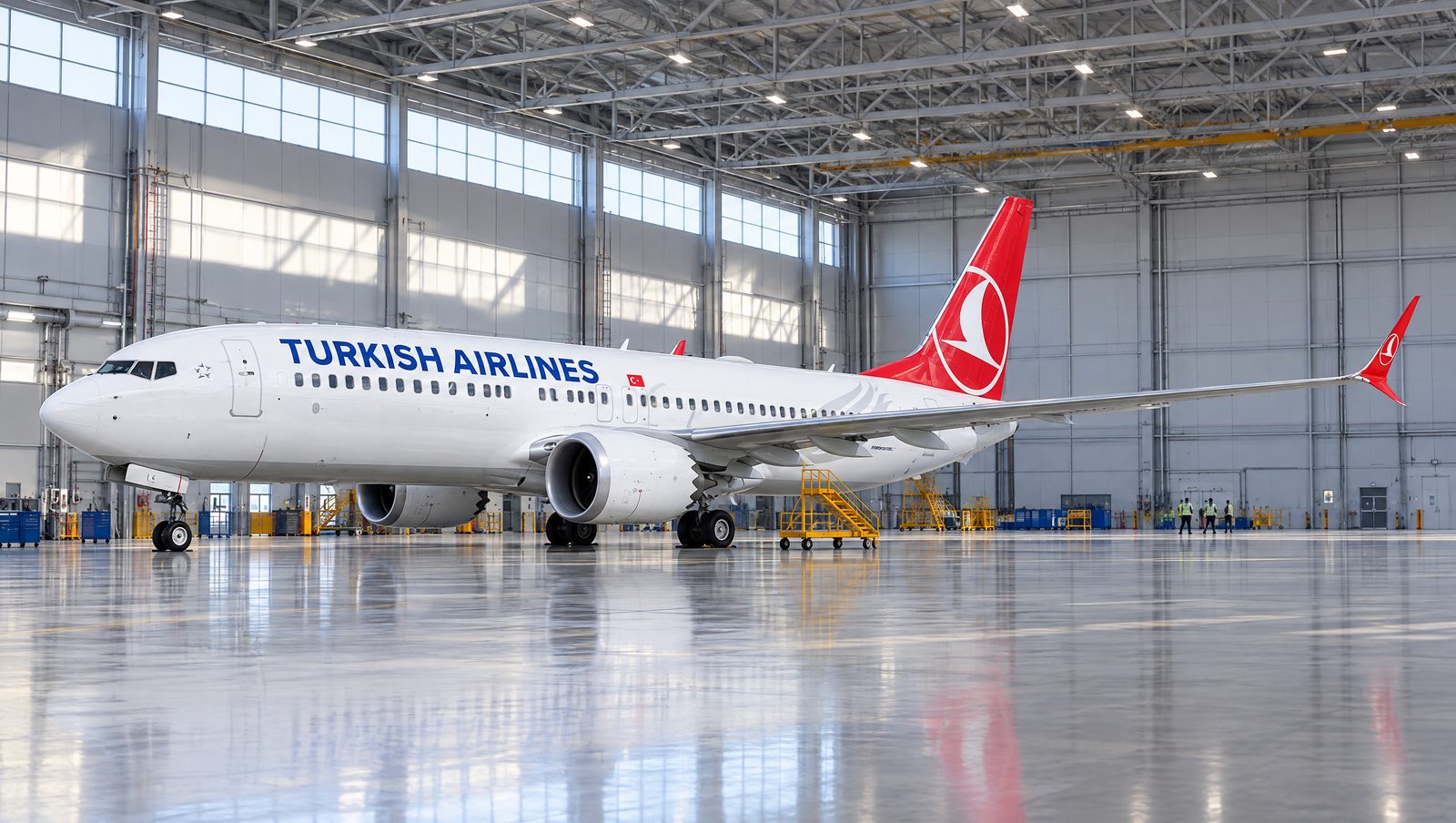
Sources: AeroTime, GlobeNewswire. Featured image: AI-generated by AviationShop. By Marco Bianchi.











Comments
Loading comments…