


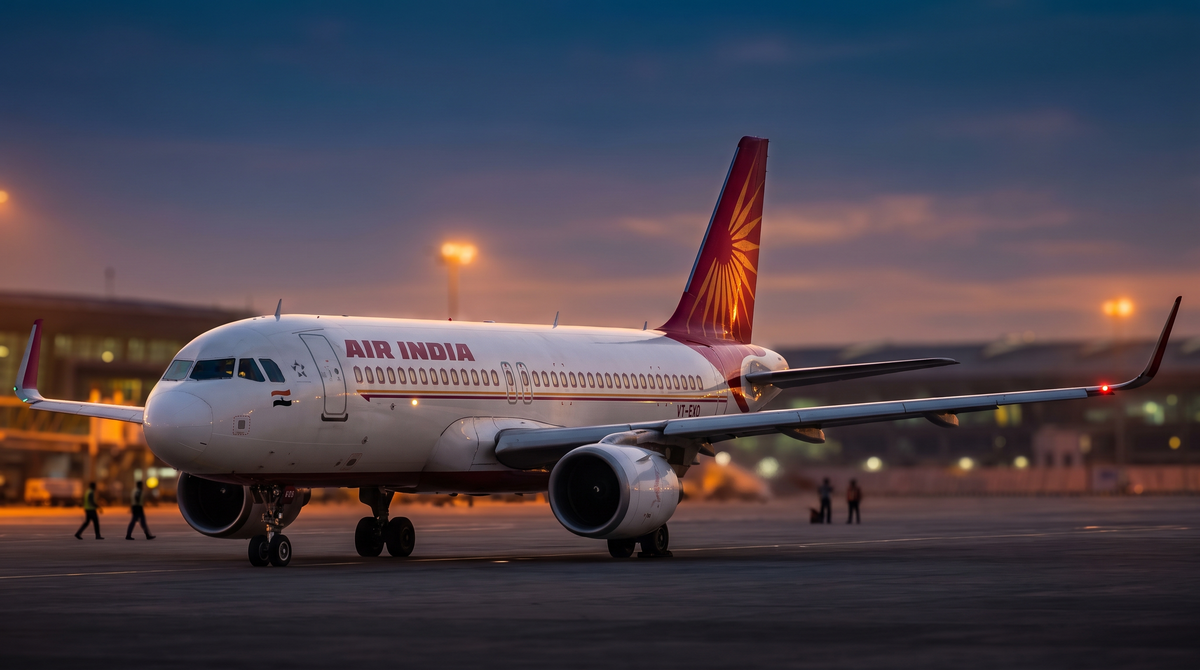
An Air India Airbus A320neo operating flight AI2379 from Phuket International Airport (HKT) in Thailand to Delhi's Indira Gandhi International Airport (DEL) encountered severe turbulence on August 4, briefly losing around 300 feet (91 meters) of altitude and leaving 17 people injured on board.
The aircraft continued to its destination and landed safely in Delhi, where medical teams were waiting on the ground to assist affected passengers and crew members. Photographs and video shared after the flight showed damaged cabin panels and a disordered cabin in the aftermath of the sudden event, underscoring how violent the encounter was for those on board.
Severe turbulence of this kind can strike with little or no warning, particularly in convective weather where rising and sinking columns of air are difficult to detect visually. A brief loss of altitude measured in the hundreds of feet is enough to throw unrestrained passengers, crew and loose items against the cabin ceiling, which is the most common cause of injuries during turbulence events.
The Airbus A320neo is one of the most widely flown narrowbody aircraft in the world, valued by carriers such as Air India for its fuel efficiency and range on medium-haul sectors. The Phuket to Delhi route is a popular leisure and connecting corridor between Thailand and northern India, typically flown in a little over four hours.
Turbulence remains the leading cause of in-flight injuries across commercial aviation, even though it very rarely threatens the structural safety of a modern airliner. Aviation safety authorities consistently advise passengers to keep their seatbelts fastened whenever seated, precisely because sudden encounters like this one leave no time to return to a seat.
Air India has been modernising both its fleet and its operational procedures as part of a wider transformation under the Tata Group. Incidents involving turbulence are investigated to review the weather information available to the crew and the timing of any seatbelt advisories, though such reviews are routine rather than an indication of fault.
For the 17 people hurt on flight AI2379, the priority after landing was medical assessment and care. The safe arrival of the aircraft in Delhi, despite the abrupt altitude loss and cabin damage, reflects the resilience of the airframe and the training of the flight crew in managing an unexpected and frightening situation.
Sources: Simple Flying. Featured image: AI-generated by AviationShop. By Elena Vargas.



Comments
Loading comments…