


An Air India Airbus A321neo operating flight AI2651 from Delhi to Bengaluru suffered a tail strike during landing at Kempegowda International Airport on Thursday, May 21, 2026, prompting an immediate engineering investigation and forcing the cancellation of the return service. All 181 people on board, including 174 passengers and seven crew, disembarked safely without any injuries reported.
The aircraft, registered VT-TVF, touched down at Bengaluru after what investigators believe was an encounter with significant wake turbulence on short final. Sources familiar with the matter indicate that a wide-body Boeing 747 had departed from the same runway moments earlier, leaving disturbed air that may have destabilized the A321neo as it crossed the threshold. Gusty surface winds at the airport at the time of landing are also being examined as a contributing factor.
Aircraft Grounded For Detailed Inspection
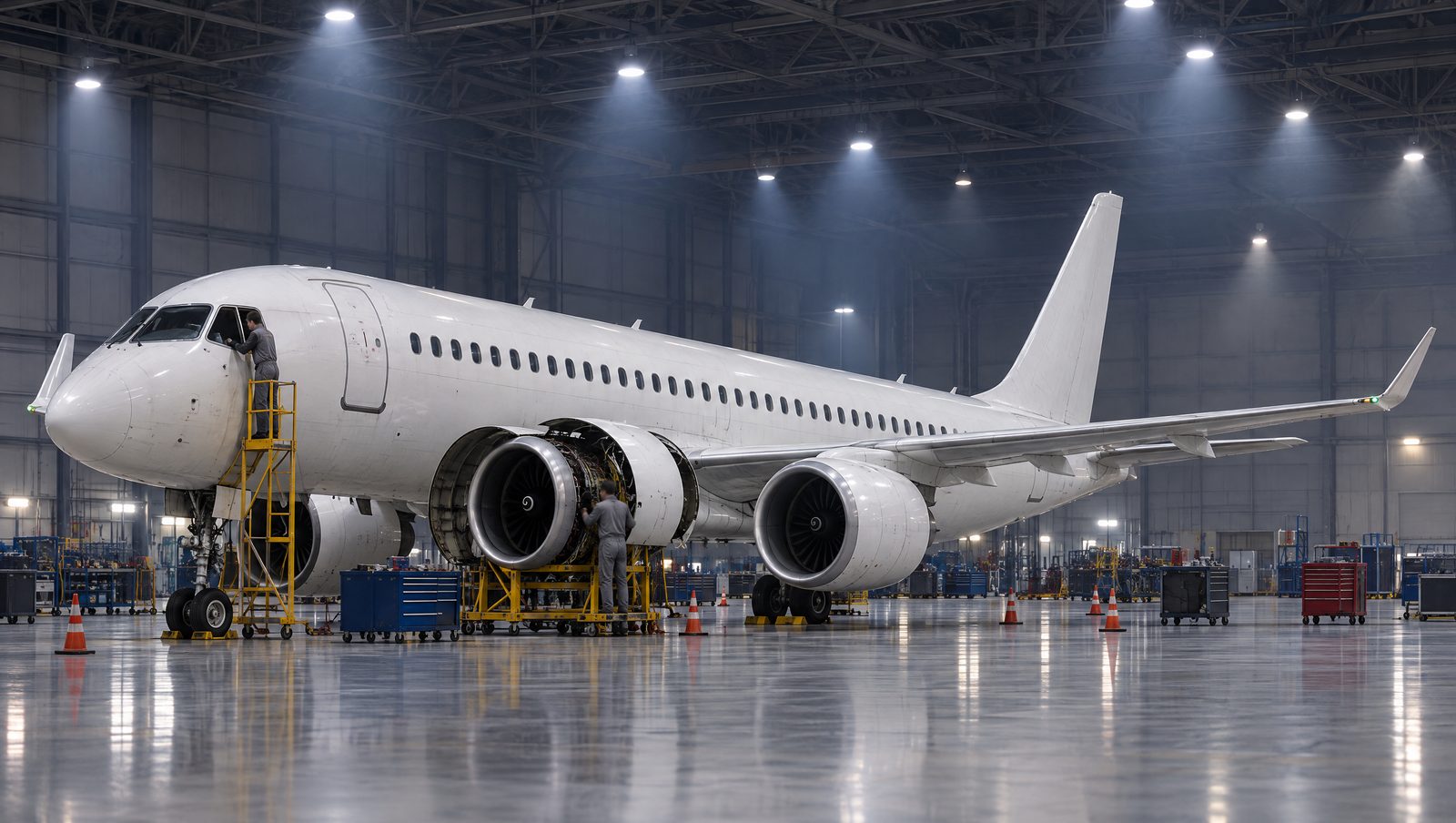
Following the incident, Air India immediately withdrew the A321neo from service for a comprehensive engineering assessment. Tail strikes — where the rear underside of the fuselage contacts the runway during landing or rotation — can cause structural damage ranging from minor skin abrasion to pressure-bulkhead cracking, all of which require careful non-destructive testing before the aircraft is cleared to fly again. The carrier has not yet disclosed the extent of the damage.
As a direct consequence of the grounding, Air India canceled the return rotation, flight AI2652 from Bengaluru back to Delhi, leaving passengers booked on that service to be rebooked onto alternative flights. The airline confirmed it is cooperating fully with India's Directorate General of Civil Aviation, which is expected to open a formal inquiry into the sequence of events on approach.
Wake Turbulence Remains A Persistent Hazard
The A321neo, one of the youngest aircraft in Air India's narrow-body fleet, is a high-performing single-aisle jet that the carrier has been deploying aggressively across domestic trunk routes since its post-Tata Group acquisition modernization push. Thursday's tail strike will inevitably renew questions about runway-separation standards at Bengaluru, one of India's busiest hubs, where heavy and medium-weight aircraft regularly operate from the same runway in close succession.
Wake turbulence has long been recognized by aviation regulators as a persistent hazard, particularly for smaller jets following larger types. International Civil Aviation Organization guidelines mandate specific time and distance spacing behind heavy aircraft like the 747, and the inquiry is likely to examine whether the recommended buffer was fully observed in this case.
Air India said in a brief statement that the safety of passengers and crew remains its highest priority and that it is supporting affected travelers with rebooking and refreshments while the investigation proceeds. The carrier confirmed that the pilots followed all standard operating procedures and that the landing was completed without the need for an emergency evacuation.
Compiled from publicly available aviation news sources. Featured image: AI-generated by AviationShop. This article is original editorial content; facts have been verified across multiple public sources.



Comments
Loading comments…