


Airbus delivered 89 commercial aircraft in June 2026 and booked 71 gross orders during the month, capping a strong first half of the year for the European planemaker.
The June handovers went to 49 customers and helped push Airbus's total for the first six months of 2026 to 351 aircraft — an increase of roughly 15 percent on the 306 jets delivered in the same period a year earlier.
Behind the June acceleration were two temporary tailwinds. Airbus made progress clearing a backlog of handovers to Chinese customers that had built up earlier in the year, and it faced fewer bottlenecks from engine suppliers, a constraint that has repeatedly slowed narrow-body output across the industry.
The performance keeps Airbus within reach of an ambitious internal goal: surpassing 900 deliveries in a single year for the first time. Publicly, the company has held its full-year guidance at 870 aircraft, leaving itself room to manage the second-half ramp-up without over-promising.
Deliveries are the metric that matters most for Airbus's cash flow, because customers pay the bulk of an aircraft's price on handover. A stronger June therefore feeds directly into the manufacturer's financial momentum as it works through a vast order backlog stretching years into the future.
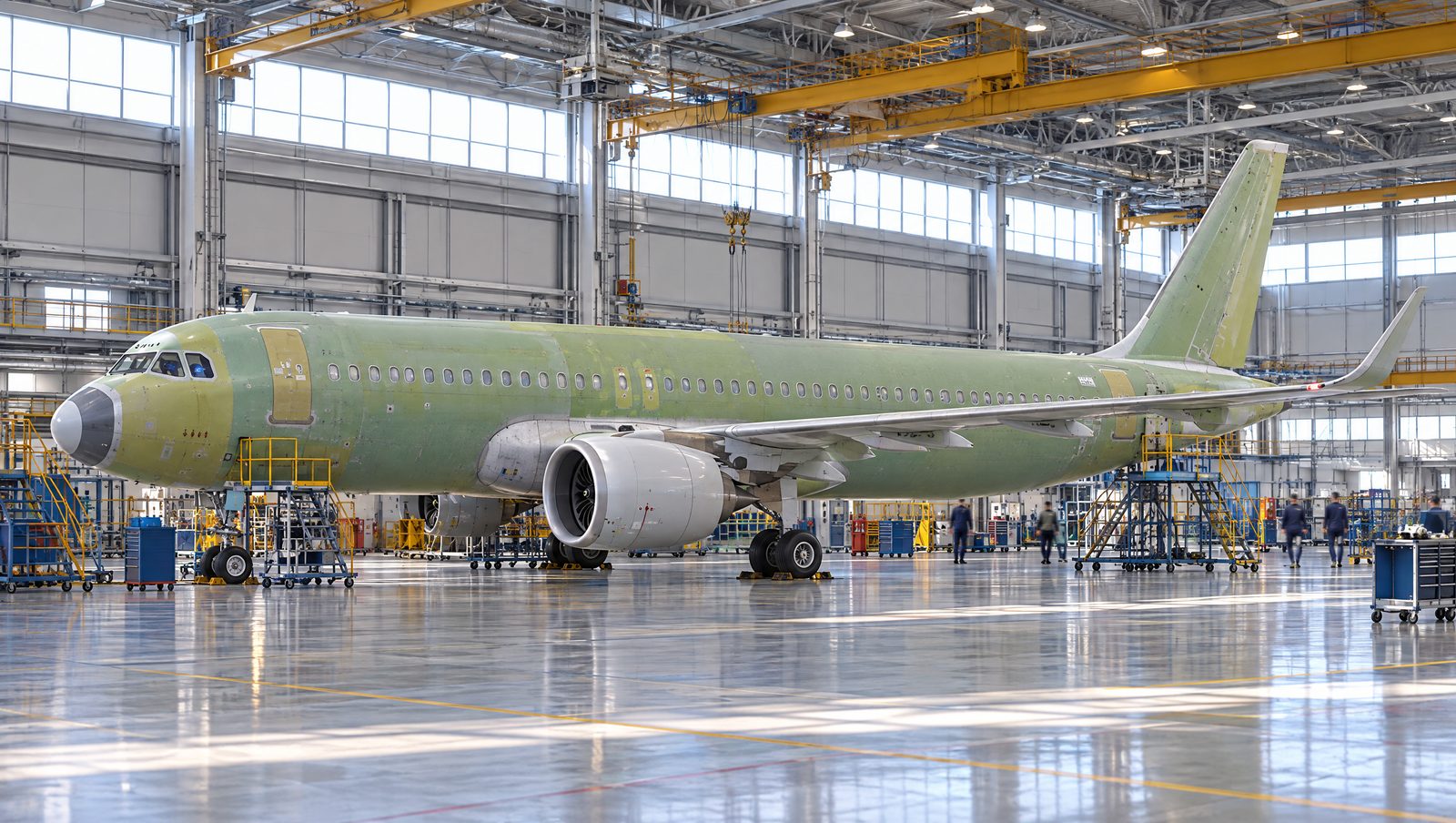
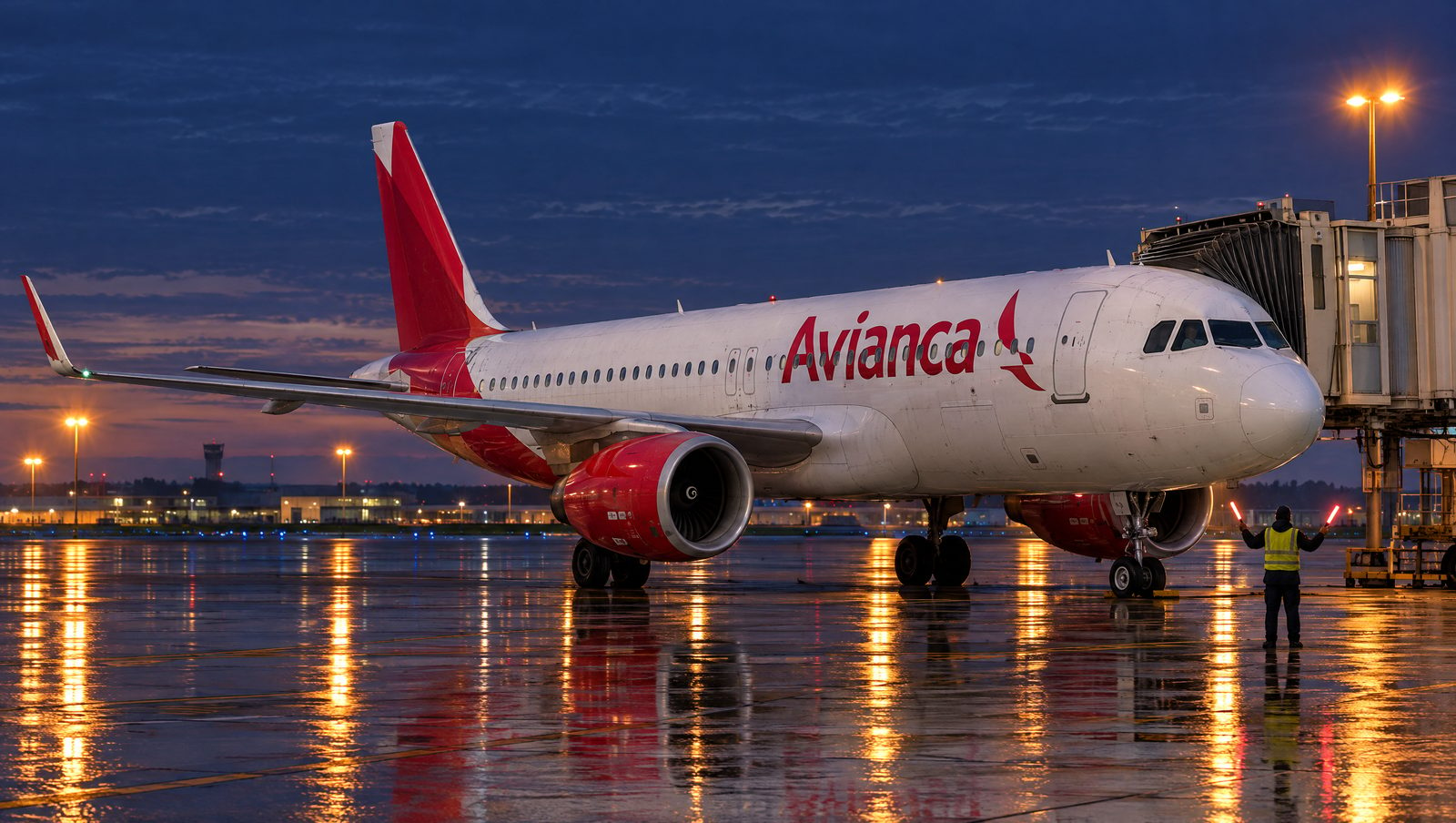
The single-aisle A320neo family remains the engine of that backlog and of monthly output, with the A321neo in particular in heavy demand from low-cost and full-service carriers alike. Clearing engine and supply-chain constraints on that programme is central to whether Airbus can sustain the delivery pace seen in June through the rest of the year.
Reaching 351 aircraft at the halfway mark leaves Airbus needing a familiar second-half surge to hit its targets — a pattern the company has repeated in recent years, when a disproportionate share of deliveries lands in the final months. June's numbers suggest the production system is moving in the right direction, but the full-year goal still hinges on maintaining that rhythm.
For airlines waiting on new jets, steadier monthly deliveries are welcome news after years of delays, offering more certainty over fleet planning and capacity growth heading into 2027.
Sources: Reuters & Aviation24. Featured image: AI-generated by AviationShop. By James Holloway.





Comments
Loading comments…