


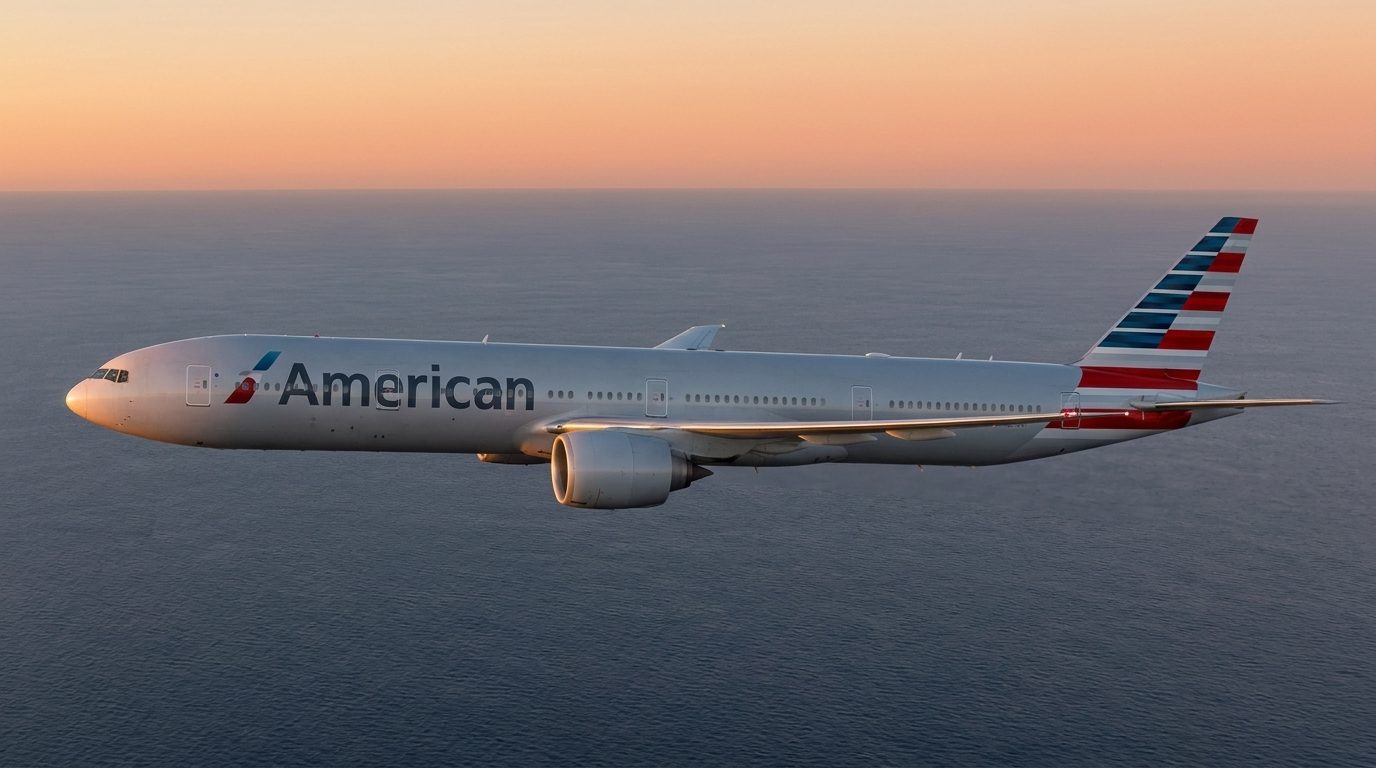
American Airlines is expanding its premium cabin retrofit program to its narrow-body Airbus A319 and A320 fleet, marking a significant shift in the carrier's approach to domestic and short-haul international service. The initiative reflects growing industry recognition that premium seating and amenities can drive revenue on routes traditionally dominated by economy configurations, even on aircraft with inherent space constraints.
The retrofit program introduces premium seats to aircraft that have historically operated in all-economy or limited premium configurations. Rather than simply adding a business-class cabin, American is implementing a more nuanced approach that balances premium product enhancement with operational efficiency. The carrier is introducing miniature galleys and optimizing galley space to accommodate the new seating layouts without significantly compromising service capabilities. This design choice underscores the careful engineering required when retrofitting narrow-body jets, where every cubic foot of fuselage carries competing operational demands.
One notable aspect of the retrofit is the removal of seatback in-flight entertainment screens from premium seats in favor of integrated systems that allow passengers to stream content to personal devices. This design decision reduces weight, lowers maintenance costs, and aligns with broader industry trends toward passenger-controlled entertainment. Modern travelers increasingly prefer streaming to existing infrastructure, and removing seatback hardware also provides more cabin space—a critical consideration on narrow-body aircraft where legroom and seat width are already constrained compared to wide-body jets.
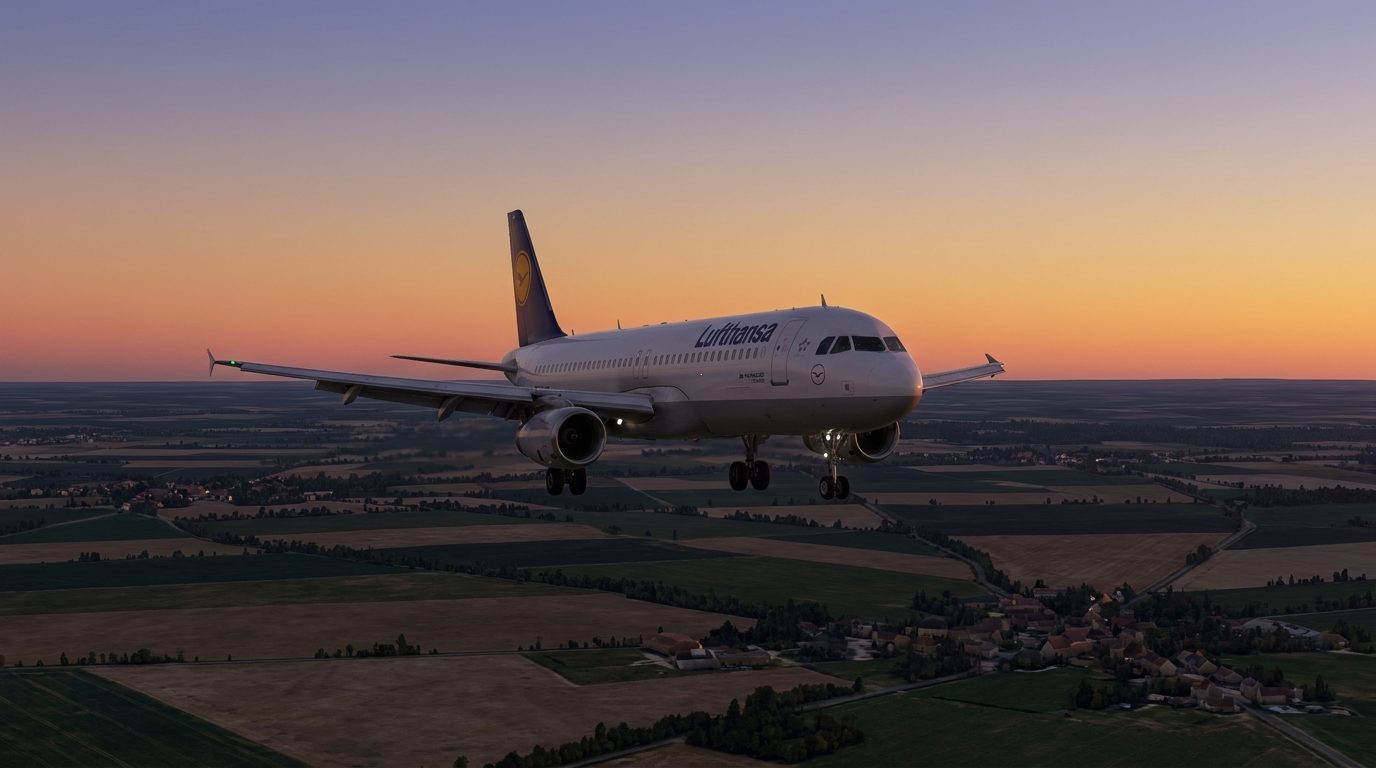
The Airbus A319 and A320 represent the backbone of American's domestic and short-haul international network. These aircraft operate routes ranging from transcontinental flights within North America to short-haul international services to leisure destinations in the Caribbean and Mexico. By retrofitting these jets with premium cabins, American aims to capture additional ancillary revenue and compete more effectively with rivals on high-demand routes where passengers are willing to pay for improved comfort. The narrow-body segment has historically offered fewer premium options than wide-body fleets, making this retrofit a competitive differentiator.
Industry context shows that other major carriers have pursued similar strategies in recent years. Premium economy and enhanced economy products on narrow-body aircraft have become increasingly common, driven by rising fuel costs and the need to maximize revenue per available seat-mile. American's program demonstrates that even modest improvements—wider seats, increased pitch, dedicated cabin service, and amenity upgrades—can command meaningful price premiums on the routes where passengers have both demand and ability to pay.
The retrofit program also reflects American's broader fleet modernization strategy. Rather than accelerating retirements of older A319 and A320 aircraft, the airline is investing in cabin upgrades that extend the useful life and revenue potential of these jets. This approach balances capital expenditure with operational economics, particularly important in an era of aircraft delivery delays and supply chain disruptions affecting new aircraft availability.
The timing of this program comes as American continues to navigate a competitive domestic market while managing inflationary pressures on labor, fuel, and maintenance costs. Premium cabin retrofits represent one lever for offsetting these pressures through higher-margin revenue, though implementation requires careful coordination with crew training, ground operations, and scheduling to ensure the retrofit doesn't disrupt service or increase turnaround times at the gate.
As these retrofitted A319 and A320 aircraft enter service, they will provide insight into passenger demand for premium products on narrow-body routes and the operational feasibility of maintaining service standards in tighter cabin configurations. The program's success could influence how American and its peers approach cabin design and revenue optimization across their narrow-body fleets in the coming years.
Sources: AeroTime, Paddle Your Own Kanoo. Featured image: AI-generated by AviationShop. By Elena Vargas.



Comments
Loading comments…