


WestJet is making a significant strategic withdrawal from its United States network in 2026, ending service to 20 routes as the Canadian carrier reassesses its continental footprint. The move represents a notable contraction for the airline, which has long relied on US connectivity as a key pillar of its growth strategy. The decision comes as WestJet navigates changing market dynamics, competitive pressures, and the need to optimize fleet deployment across its growing network.
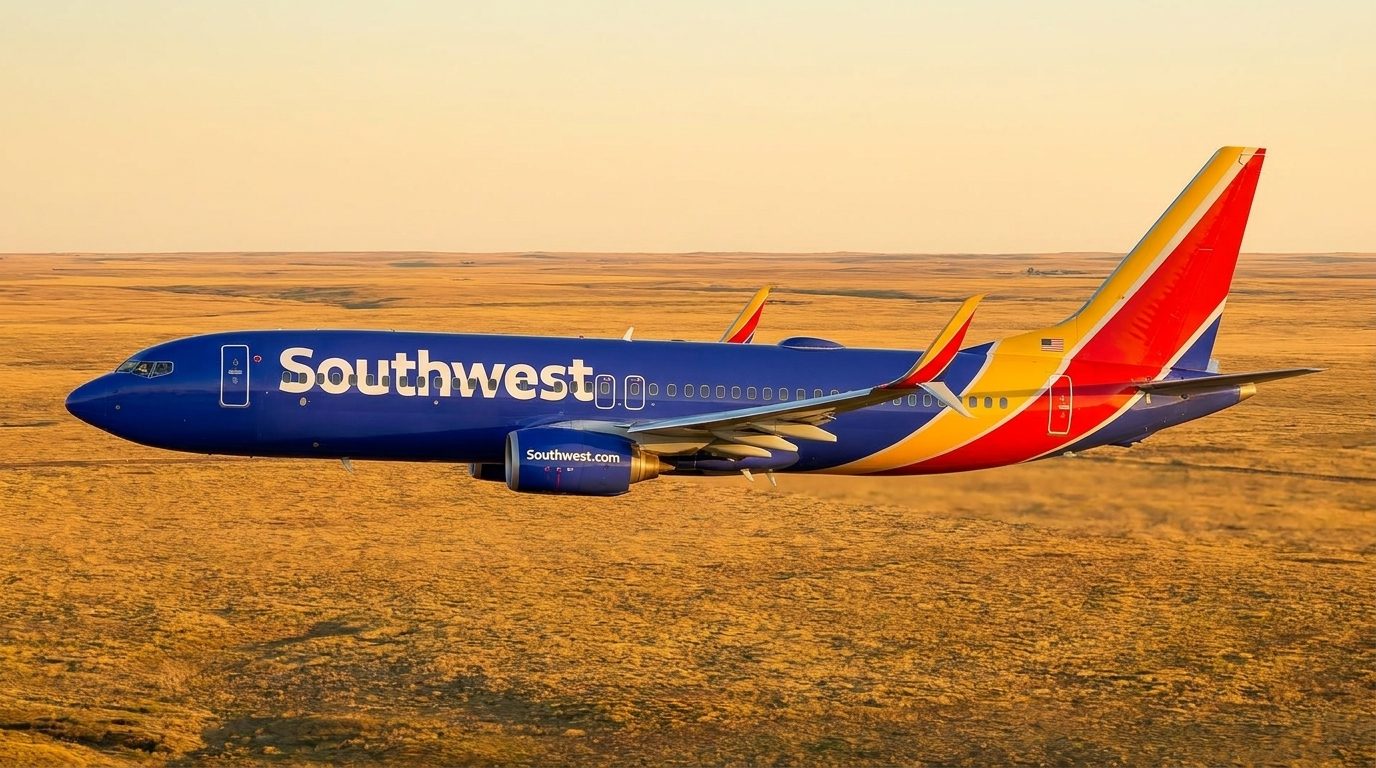
The Boeing 737-800 has formed the backbone of WestJet's traditional narrowbody operations for nearly two decades. This twin-engine jet, capable of seating between 162 and 189 passengers in typical configurations, offers the range and economics necessary for cross-border operations typical of Canadian carriers serving US markets. The 737-800 remains one of the most widely operated commercial aircraft globally, known for its fuel efficiency, proven reliability, and operator familiarity. By scaling back US routes, WestJet will presumably redeploy these aircraft toward other network priorities, potentially including higher-yield domestic Canadian routes or emerging international markets.
Route rationalization of this scale typically reflects a broader strategic recalibration. Airlines periodically reassess regional and international networks based on load factors, yield performance, and competitive intensity. The US market, while massive, presents intense competition from legacy carriers, low-cost operators, and regional airlines with established bases in key hubs. For WestJet, maintaining profitability on marginal US routes—particularly those competing directly with larger carriers—may have become unsustainable even as travel demand remains relatively healthy. The timing of this announcement, with implementation set for 2026, provides sufficient runway for customers to adjust travel plans and the airline to communicate alternative options.
The scale of this withdrawal—20 routes across a single year—suggests WestJet is pursuing a more focused US strategy rather than complete exit. The airline will likely retain its most profitable US gateways and connections while eliminating secondary or tertiary markets. This approach mirrors industry precedent, where carriers occasionally thin network portfolios to improve overall profitability and free capacity for higher-return operations. Canadian airlines in particular have historically balanced US exposure with domestic network density and Asia-Pacific expansion, where long-haul economics can be more favorable.
From an operational standpoint, the removal of 20 US routes will directly impact crew scheduling, ground support staffing at affected US airports, and slot allocation where applicable. WestJet maintains bases across Canada and operates from major US hubs including Denver, Las Vegas, and select East Coast airports. The 2026 timeline allows the airline to complete existing aircraft orders, evaluate its widebody fleet needs, and position itself for post-pandemic travel pattern normalization, which some carriers are still navigating.
Industry observers will watch closely to see whether this US route reduction signals broader consolidation among Canadian carriers or reflects WestJet-specific challenges. Air Canada, Canada's largest carrier, maintains a substantially larger US footprint, while other regional competitors have varying exposure levels. Market capacity discipline of this kind—where capacity is deliberately reduced rather than expanded—can ultimately benefit remaining airlines through improved load factors and pricing, provided the capacity is redeployed productively elsewhere in the network.
The 2026 timeline also coincides with potential fuel price fluctuations, economic cycles, and competitive realignment in North American aviation. WestJet's decision underscores the importance of disciplined network management and the willingness to exit markets that no longer meet profitability thresholds, even if they represent historical revenue sources. For passengers and travel partners currently using these 20 routes, the announcement provides a 12+ month window to secure alternative carriers or adjust travel patterns accordingly.
Sources: Simple Flying. Featured image: AI-generated by AviationShop. By Marco Bianchi.




Comments
Loading comments…