


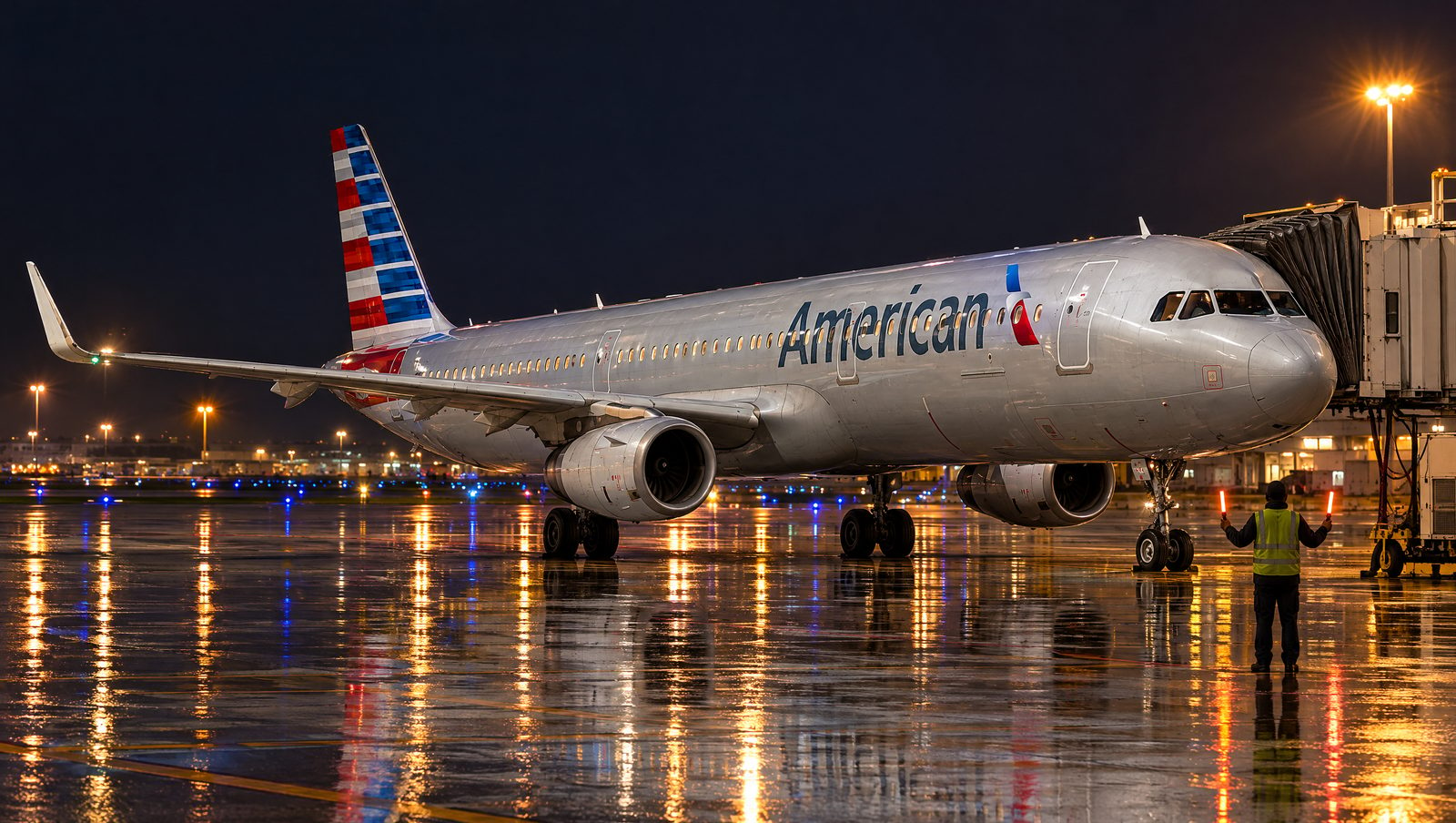
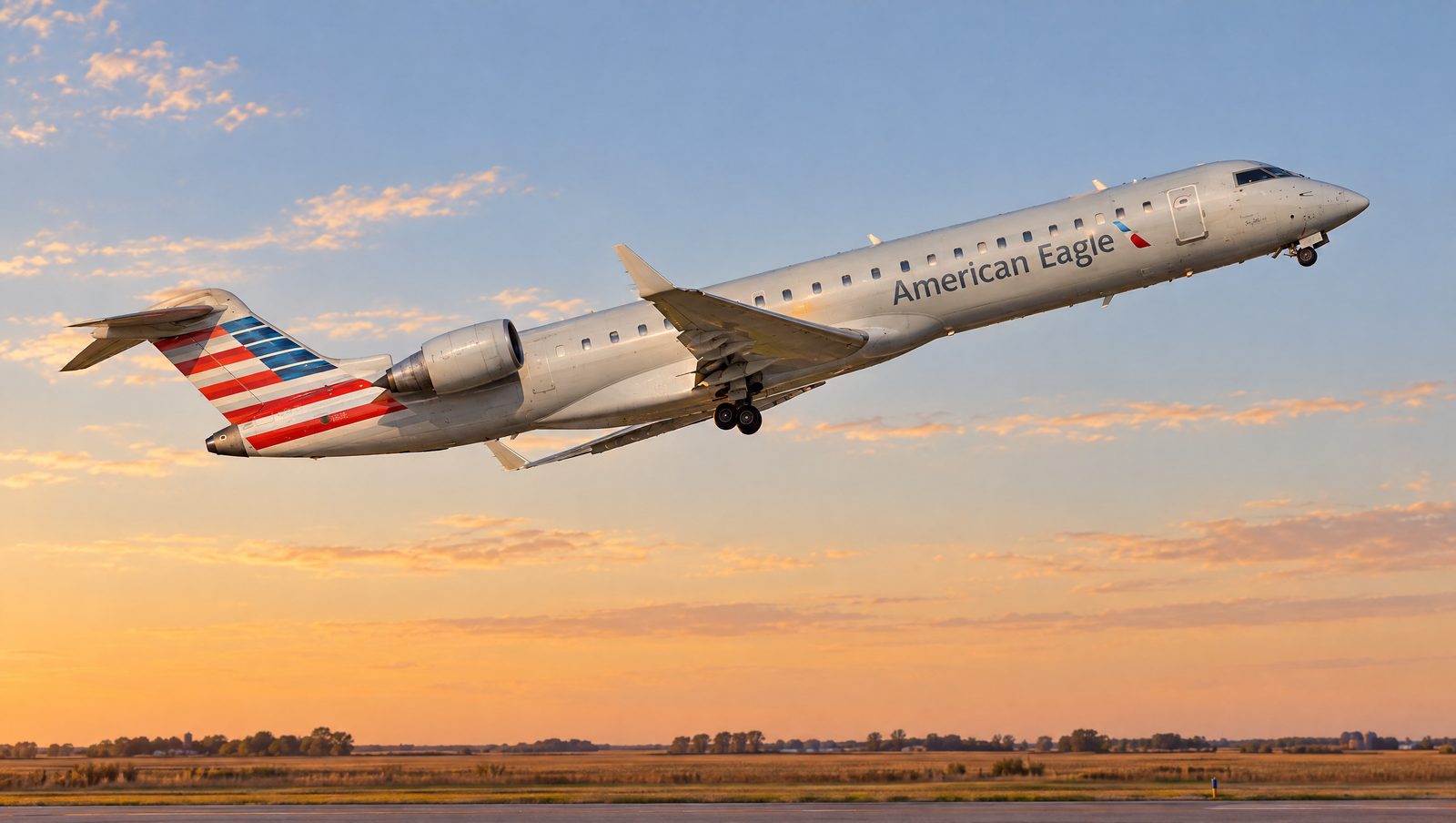
American Airlines has told its airport teams to stop involuntarily bumping passengers from oversold flights. An internal directive first reported by View From The Wing, and followed up by Simple Flying on 4 October 2026, makes the elimination of involuntary denied boarding a company requirement rather than a performance target. The instruction took effect on 30 September and applies across mainline and regional flying, on both domestic and international routes.
What the directive says
The memo describes a "zero involuntary denied boarding mandate." Gate staff are told not to close the aircraft door until enough volunteers have been secured for every oversale, and to bring in station leadership when they need help. In the words quoted by View From The Wing, "No invols" is no longer a goal – it is a company requirement. Agents are to keep working the oversale until every affected customer has voluntarily accepted an offer and confirmed alternative travel, even if that means a late departure.
The directive also moves the money decision. Under American's earlier procedure, each station had preset compensation amounts, and going above the maximum shown in the system needed approval from the airline's Day of Departure support team. The new instruction says Day of Departure no longer authorizes or denies going above maximum compensation. Station leadership, physically present at the airport, now decides whether a higher amount is needed to find volunteers. The memo does not publish a new dollar ceiling.
A seat on the next flight, even if it looks full
The most unusual element is what American can now promise volunteers. A volunteer may be confirmed on the very next departure even when that flight does not currently show any available seats. Agents are told to use their rebooking tools and call Day of Departure for help when the next flight has no availability.
That matters because for many travelers the real deterrent to volunteering is not the size of the voucher but the risk of sitting on standby for several flights. A passenger who is involuntarily denied boarding is normally rebooked on the next flight with an open seat; under the new rules, a volunteer can potentially be locked onto the very next departure instead. The policy does not create seats out of thin air. American appears willing to accept the operational risk that no-shows, missed connections or other changes will free space, and if the next flight is also oversold, the process simply repeats there.
Why American is changing course
American has historically been the industry's biggest source of involuntary bumps. Department of Transportation figures cited by View From The Wing show that American and its regional partners recorded 14,758 involuntary denied boardings in 2025, about 60% of the 24,596 reported across the US industry. In the first half of 2026 American logged 5,247 involuntary bumps, while Delta reported zero over the same period.
The airline had already been moving in this direction. Its second-quarter 2026 figures showed 1,953 involuntary bumps, down 54% from 4,257 a year earlier. The new directive goes further by making the outcome mandatory, and by giving the people at the gate both the authority and the instruction to spend more to reach it.
What it means for passengers
For travelers holding a confirmed ticket, the change should make it far less likely that they are removed from a flight against their will. For flexible travelers, it could mean richer offers and more certainty about when they will actually get where they are going if they agree to give up a seat. The trade-off is that some oversold departures may leave a few minutes late while agents keep searching for volunteers.
Overbooking itself is not going away. Airlines sell more tickets than seats because a share of passengers reliably fail to show up. What changes is how the airline resolves the rare cases when everyone does turn up. American has moved from paying the minimum required by law to treating any involuntary bump as a failure, a step that puts it closer to the approach Delta has used to keep its own figures at zero.
Comments
Loading comments…