


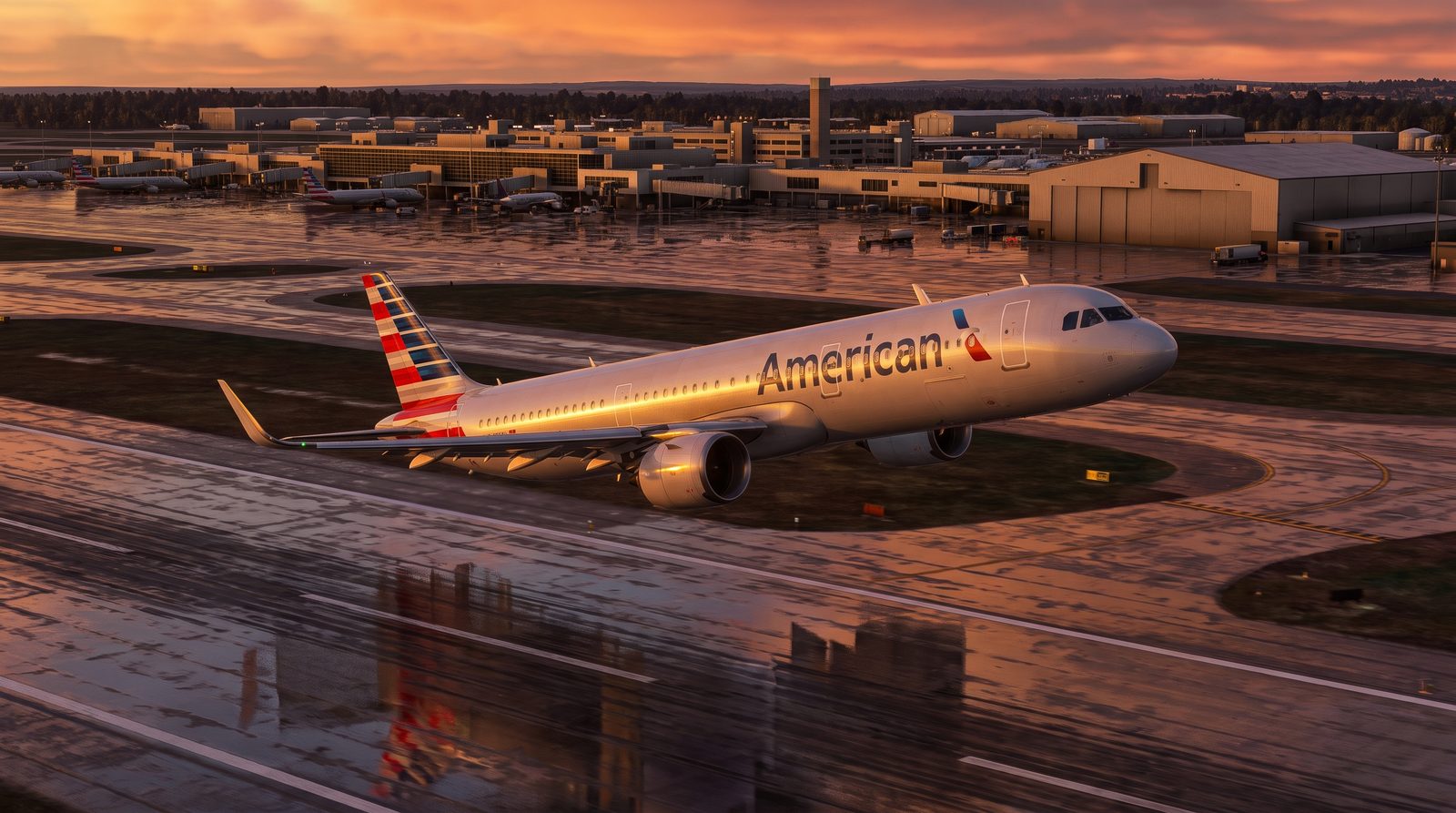
American Airlines may cut flights if jet fuel prices stay at current levels, CEO Robert Isom told the Morgan Stanley Laguna Conference, Airline Geeks reported on 17 September 2026. Isom said the carrier is recapturing much of the extra fuel expense today but may need to adjust capacity planning in the months ahead if prices do not ease.
If fuel prices remain as high as they are right now, I think that that is going to require some adjustments in terms of our capacity planning as we take a look into the future, Isom said. He stressed that demand remains strong, unit revenue is up, and premium continues to perform, leaving American on solid financial ground even while fuel is elevated.
Jet fuel roughly doubled earlier in 2026 during the war in Iran and the closure of the Strait of Hormuz, the report noted. Crude prices climbed further as Iran restricted traffic in the strait, fighting intensified in Yemen, and militants in Iraq bombed Saudi Arabia East West Crude Oil Pipeline, a critical Hormuz bypass, forcing a temporary shutdown by Saudi Aramco. Those shocks explain why United States network carriers are revisiting fourth quarter capacity assumptions even after a solid summer booking season.
Isom also framed a race to the top on product. American is investing in Flagship suites, expanding Starlink wireless internet, restoring seatback entertainment screens, and opening new airport lounges at a pace he said has not been seen in decades. He did not name the lounge cities. On the cabin mix, about 30 percent of American seats now generate roughly 50 percent of revenue, and that premium share should grow as new aircraft such as the Airbus A321XLR arrive and cabin configurations are refreshed.
Asked how American will compete when even budget airlines add premium, Isom pointed to the scale of the carrier North American network and fleet. Those structural advantages, he argued, matter more than matching every competitor amenity headline. Capacity discipline, if fuel stays high, would be the balancing lever rather than abandoning the premium push. Peer comments from United and Southwest in the same week, reported separately by FlightGlobal, show the same conditional language across the United States majors.
For schedule watchers, the near term signal is whether American autumn and winter banks show thinner frequencies on weaker domestic and short haul international spokes while A321XLR and other premium heavy deliveries continue. Isom did not publish a cut list; the message was conditional planning, not an immediate grounding wave. Investors will look next at American September quarter call for any quantified capacity trim tied to sustained jet fuel costs.
The Airbus A321neo family remains central to that balancing act: denser narrowbody flying on short and medium haul sectors where fuel burn per seat matters most if crude stays elevated, while long haul premium growth rides separate widebody and A321XLR deliveries. How quickly those neo jets absorb frequency cuts will shape American unit costs into early 2027 for both leisure and corporate traffic.
Sources: Airline Geeks
By Elena Vargas

Comments
Loading comments…