


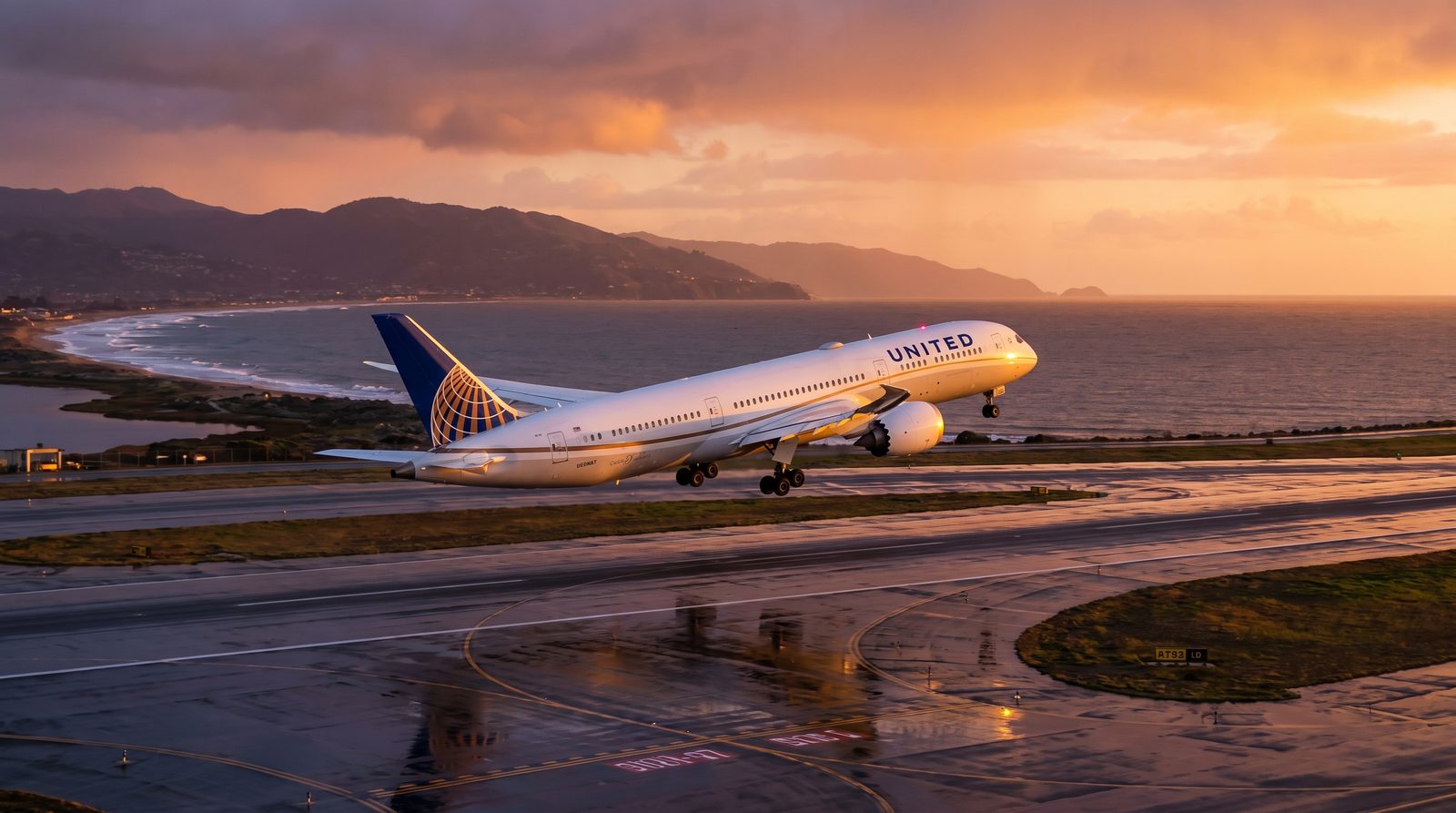
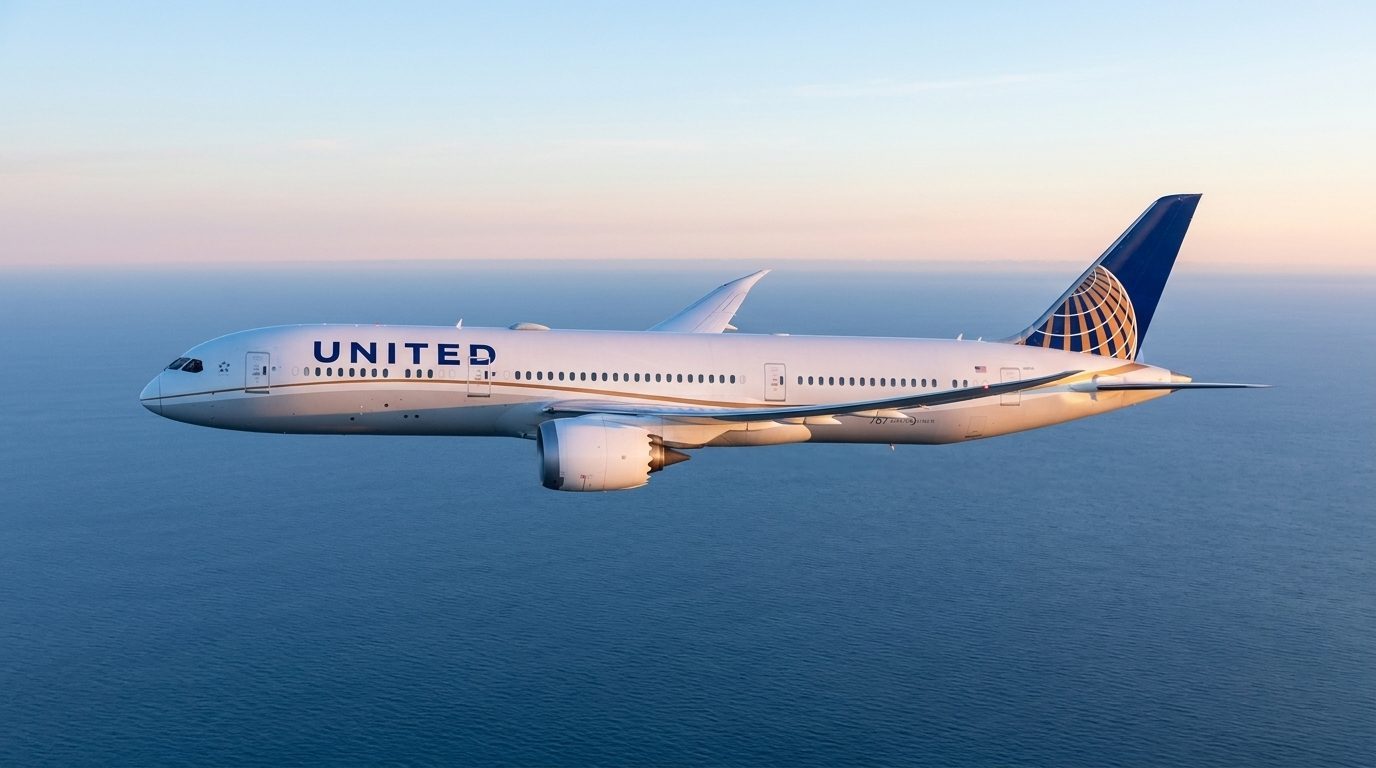
United Airlines is staring at a premium-lounge bottleneck of its own making. Simple Flying reported on 19 September 2026 that the carrier is evaluating Polaris lounge expansions at Los Angeles International and Chicago O’Hare as it inducts a new Boeing 787-9 configuration with far more business-class seats than today’s Dreamliners.
The pressure comes from United’s Polaris 2.0 rollout on the 787-9. The new layout carries 64 business-class seats—eight Polaris Studio suites plus 56 standard Polaris seats—against 48 business seats on existing United 787-9s. That is a 33 percent jump in premium capacity on every newly configured Dreamliner. With roughly 66 aircraft still in the delivery pipeline, the cumulative effect is a lot of extra Polaris passengers chasing the same lounge seats before departure.
United can add premium aircraft seats faster than airports can grow lounge footprints. LAX and ORD are the leading candidates for expansion precisely because they already concentrate long-haul Polaris traffic and will absorb many of the denser 787-9s. Other hubs matter too, but the reporting frames Los Angeles and Chicago as the first places United is actively studying more lounge capacity.
Polaris Studio is the sharp end of the cabin redesign. Eight suites give United a way to monetize the most desirable forward positions, while the broader 56-seat Polaris cabin still lifts total business inventory by sixteen seats per airplane versus the older 787-9. The rest of the cabin has been reshaped around that strategy, leaving a more premium-heavy Dreamliner aimed at high-value international demand rather than maximum economy density.
For travelers, the near-term implication is crowded lounges on banks where the new 787-9s dominate, unless United opens more seating. Elite members and Polaris ticket holders already feel peak-evening pressure at coastal and Midwestern gateways; stacking denser business cabins on the same departure banks without matching lounge space will make that worse before it gets better. Boarding windows may also stretch when more premium customers arrive early for dining and showers.
For United, the story is strategic, not decorative. The airline has bet heavily on Polaris as a revenue engine across the Atlantic and Pacific. Delivering dozens of denser 787-9s without lounge relief would undercut the product promise those cabins sell. Evaluating LAX and ORD expansions is the operational follow-through on a fleet decision already in motion, and it competes with other capital needs such as gate upgrades and club refreshes elsewhere in the system.
Airport partners will care about construction timing. Lounge projects at LAX and O’Hare face security-line constraints, union labor calendars, and terminal landlords. Even a green-lighted concept can take years from study to ribbon cutting, which means the denser 787-9s may arrive before the extra sofas do.
Schedule and aircraft assignment details will keep shifting as deliveries arrive. What is firm in the 19 September reporting is the equipment math: 64 versus 48 business seats on the new 787-9, a large remaining Dreamliner backlog near 66 aircraft, and active study of Polaris lounge growth at Los Angeles and Chicago. Premium flyers on those hubs should watch United’s lounge footprint as closely as they watch the Polaris seat map.
Sources: Simple Flying.
Comments
Loading comments…