


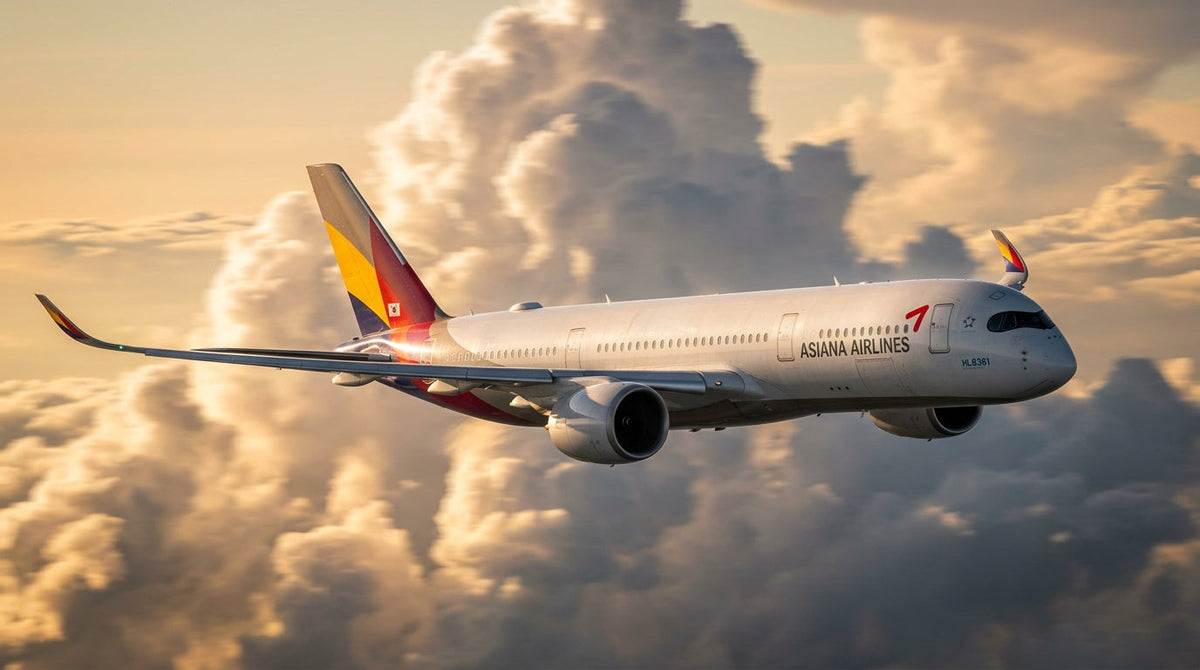
The clearest sign yet of how the Korean Air – Asiana merger will look to passengers has appeared in a schedule filing. From 17 December 2026 — the first operational day on which Asiana Airlines merges into Korean Air — four of Asiana’s European routes are filed to be operated by Korean Air aircraft.
The changes cover the bulk of Asiana’s long-haul flying into Europe:
- Seoul Incheon – Frankfurt: a Korean Air Boeing 777-300ER replaces the Asiana Airbus A350-900, four weekly.
- Seoul Incheon – London Heathrow: a Korean Air Boeing 787-10 replaces the A350-900, one daily.
- Seoul Incheon – Paris Charles de Gaulle: a Korean Air 787-10 replaces the A350-900, five weekly, with one of those five switching to a Korean Air 777-300ER from 17 January 2027.
- Seoul Incheon – Prague: a Korean Air 787-9 replaces the Boeing 777-200ER, three weekly.
One detail is worth flagging for anyone reading the schedules directly. In the GDS flight information listing, the airline did not state the aircraft owner as Korean Air — so the change shows up as an equipment swap rather than an explicit operator change.
What actually changes on board
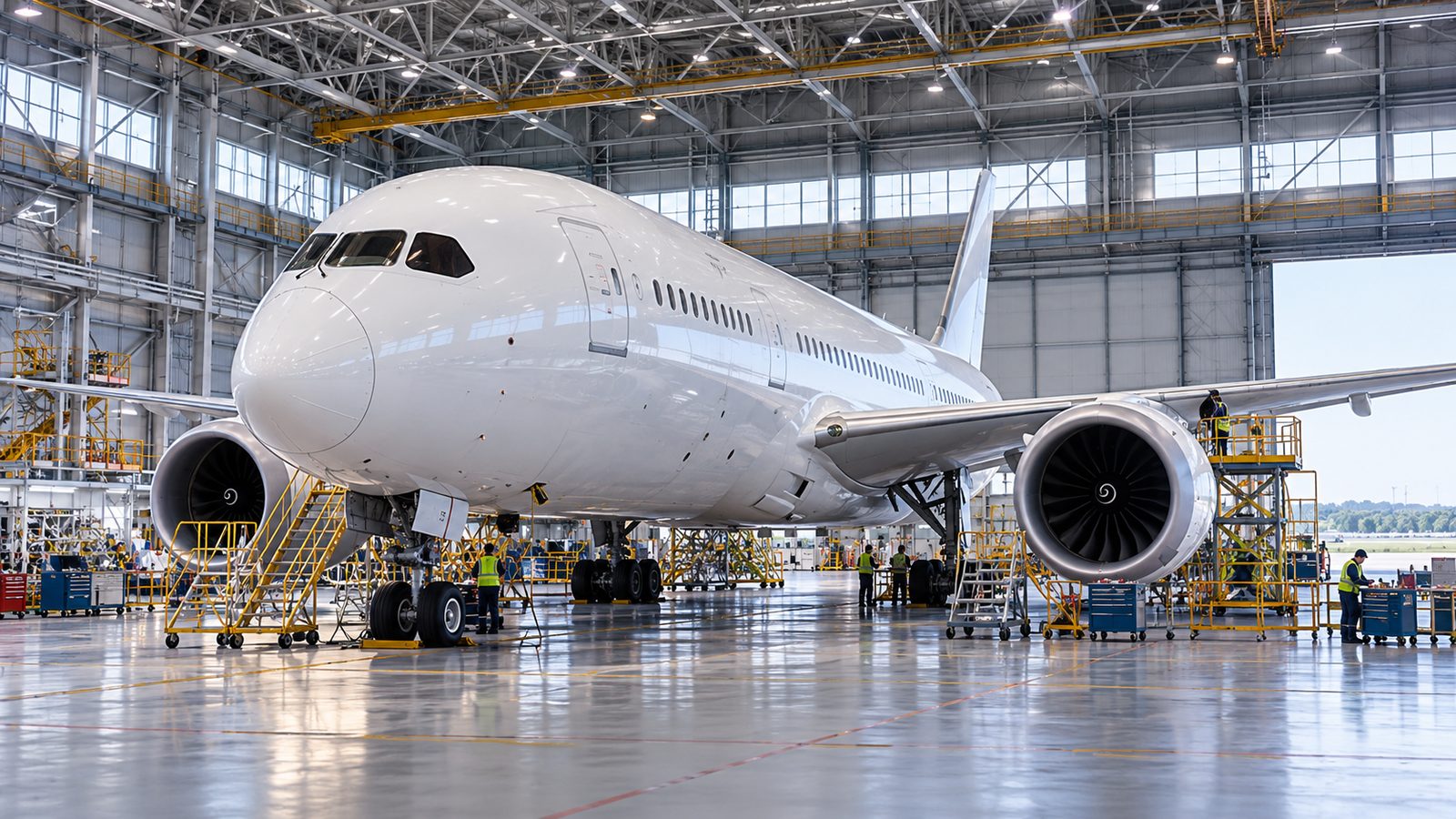
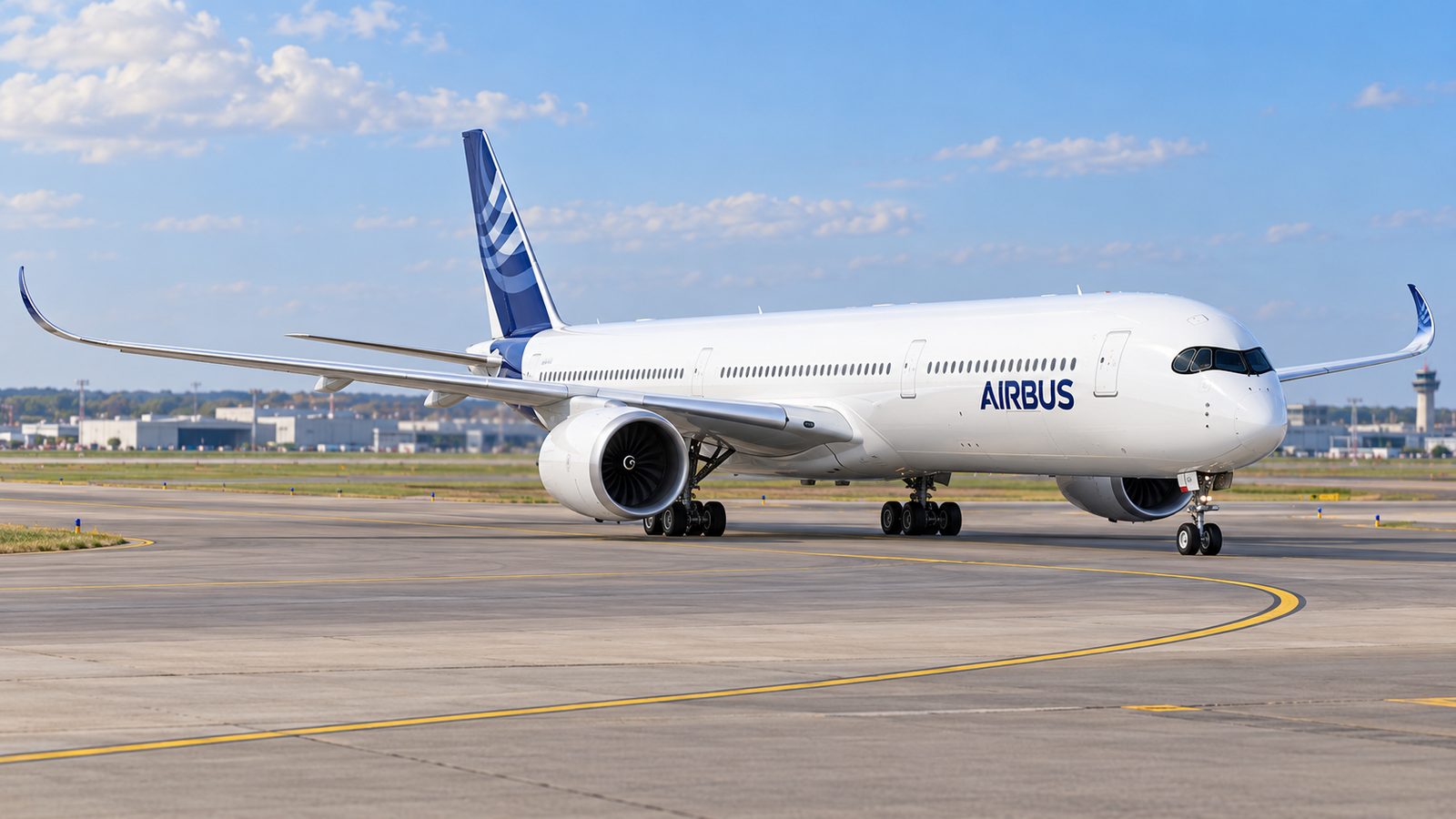
For passengers, the practical difference is the cabin. The Airbus A350-900 being displaced is a twin-engine widebody with Rolls-Royce Trent XWB engines and a twin-aisle layout; the Boeing 787-10 and 787-9 replacing it on the London and Prague services are Boeing’s stretched Dreamliner variants, recognisable by their chevron-edged engine nacelles and raked wingtips. On Frankfurt, the swap goes the other way in size terms, with the larger 777-300ER stepping in.
That matters because seat products differ between the two carriers’ fleets. A passenger booked on an Asiana flight number to Frankfurt or Paris in early 2027 may find themselves in a Korean Air cabin rather than the Asiana one they were expecting when the ticket was issued.
The merger becomes visible
Schedule filings like this are usually the first concrete evidence that an airline integration has moved from paperwork into operations. Aircraft, crew and slot allocations have to be assigned to specific flights months in advance, which is why the equipment tables update before the branding does.
Grouping the European long-haul flying onto Korean Air metal is a logical early step. Europe is where the two carriers’ networks overlapped most heavily, and consolidating the widebody assignments removes duplicated capacity while keeping the routes themselves intact. It also lets the combined group standardise a smaller set of aircraft types on its highest-value long-haul sectors.
The 17 December 2026 date is the one to watch. It marks the first operational day of the merged carrier, and these filings suggest the transition on Europe will be immediate rather than phased over a season.
Sources: AeroRoutes. Featured image: AI-generated by AviationShop. By Marco Bianchi.


Comments
Loading comments…