


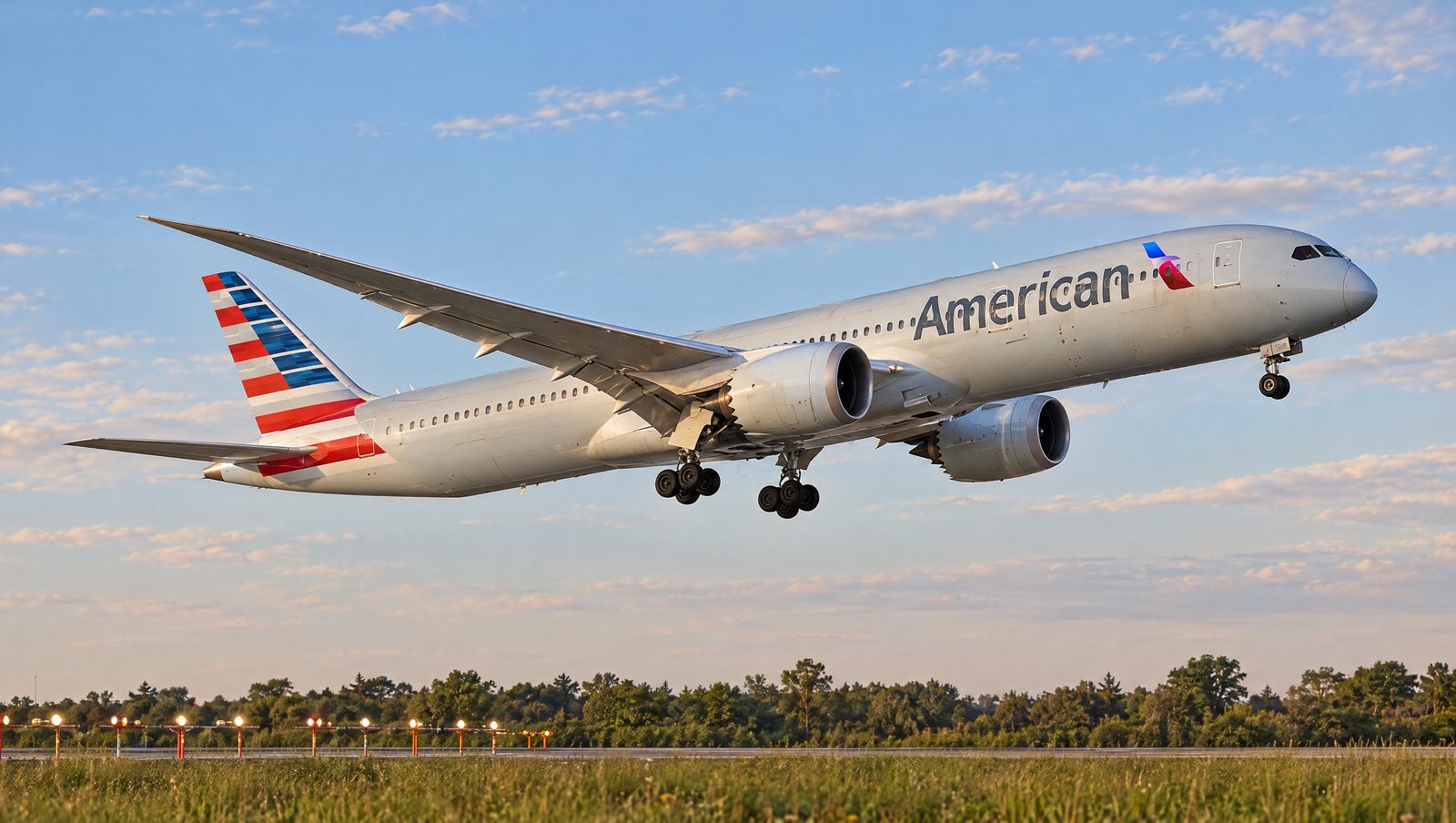
Brazil's competition regulator has cleared American Airlines to take a minority stake in Azul. On 7 October 2026 the tribunal of CADE, the Administrative Council for Economic Defence, unanimously approved American's US$100 million investment in the Brazilian carrier, which will give the US airline about 8% of Azul's total and voting capital.
How the deal works
According to a filing by Azul, the investment will be made through the exercise of subscription warrants: 3,958,429,263,261 Series 1 warrants (AZUL11) and 5,449,247 Series 4 warrants (AZUL19). Azul said the tribunal's decision, including the related Merger Control Agreement, is expected to be published in the coming days, after which certain commercial agreements between American and Azul that were also part of CADE's review will be put in place.
The investment is part of Azul's financial restructuring. The airline emerged from Chapter 11 bankruptcy protection in February after a sweeping restructuring that included investments from both United Airlines and American, Reuters reported. FlightGlobal described the US$100 million stake as a liquidity lifeline as Azul works through its transformation.
Approval with conditions
CADE's approval is conditioned on the signing of, and full compliance with, a Merger Control Agreement, known in Brazil as an ACC. The regulator said the agreement turns safeguards that had previously been private commitments into obligations directly enforceable before CADE.
Brazilian newspapers Valor Econômico and O Globo reported the main terms. American will be entitled to one of seven seats on Azul's board of directors and one of five seats on its strategic committee. However, American's representatives will be barred from accessing materials on, discussing or voting on commercially sensitive matters. In practice, when Azul's leadership discusses fares, margins, fleet capacity or route planning in markets where the two airlines compete, the American representative must leave the room. Those sessions must be recorded in minutes that are kept for five years and made available to antitrust investigators.
O Globo also reported that American must notify CADE in advance if it decides to buy stakes of 5% or more in any other airline that connects Brazil with the United States, even where the deal falls below the usual legal notification threshold.
"The agreement makes the safeguards more robust, verifiable and directly enforceable before CADE," rapporteur councillor Camila Cabral Pires Alves said, according to O Globo. She said the solution addresses the identified risks without imposing broader restrictions than necessary to preserve competition.
Abra's challenge
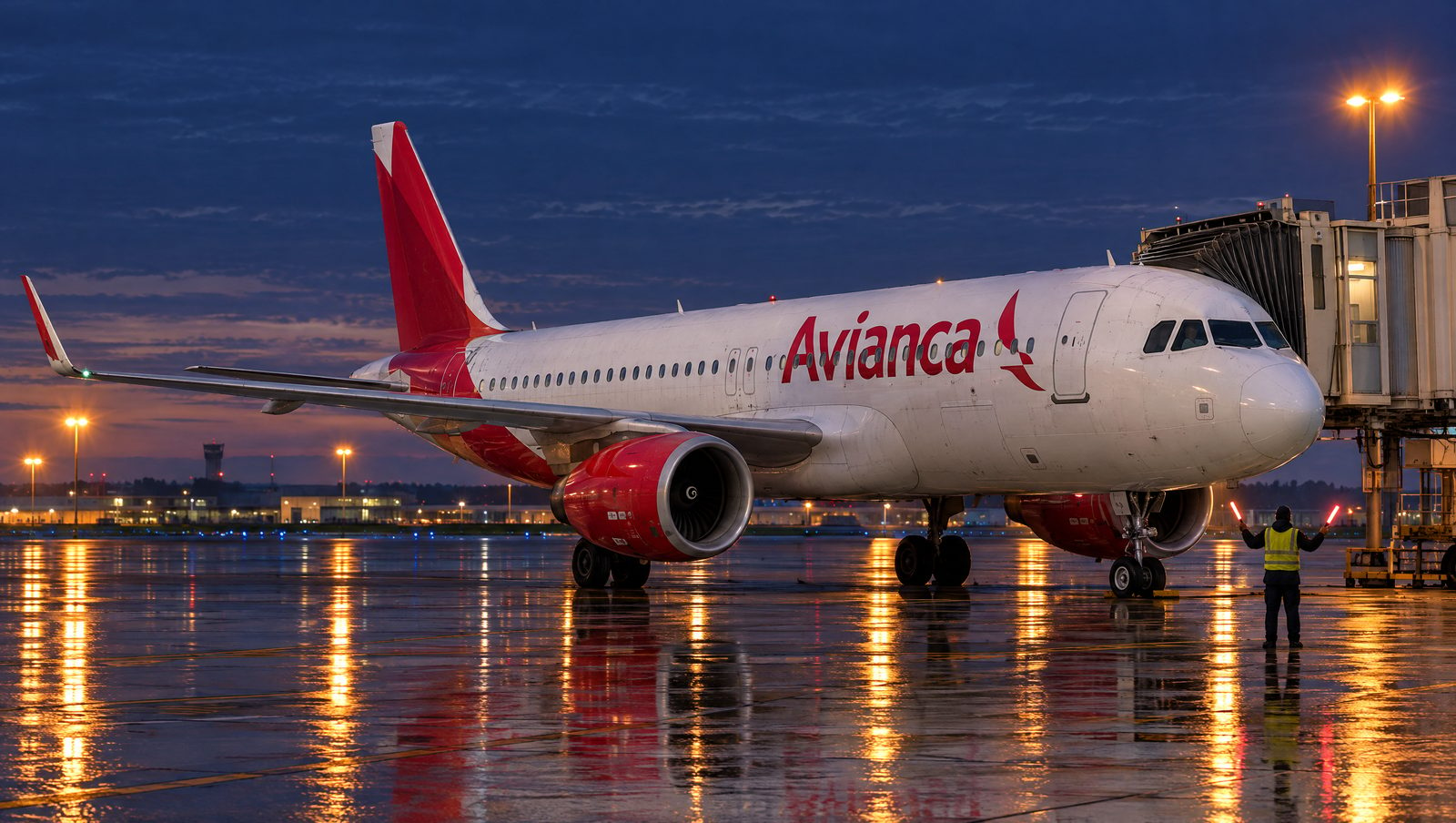
The case drew close scrutiny because of the web of cross-shareholdings in South American aviation. CADE's technical staff had previously cleared the investment, but Abra Group, the holding company that controls Gol and Avianca, appealed the decision. Gol has long been a partner of American. According to O Globo, Abra argued that having both American and United inside Azul's governance structure could weaken competition and create a risk of sensitive market information leaking between rivals.
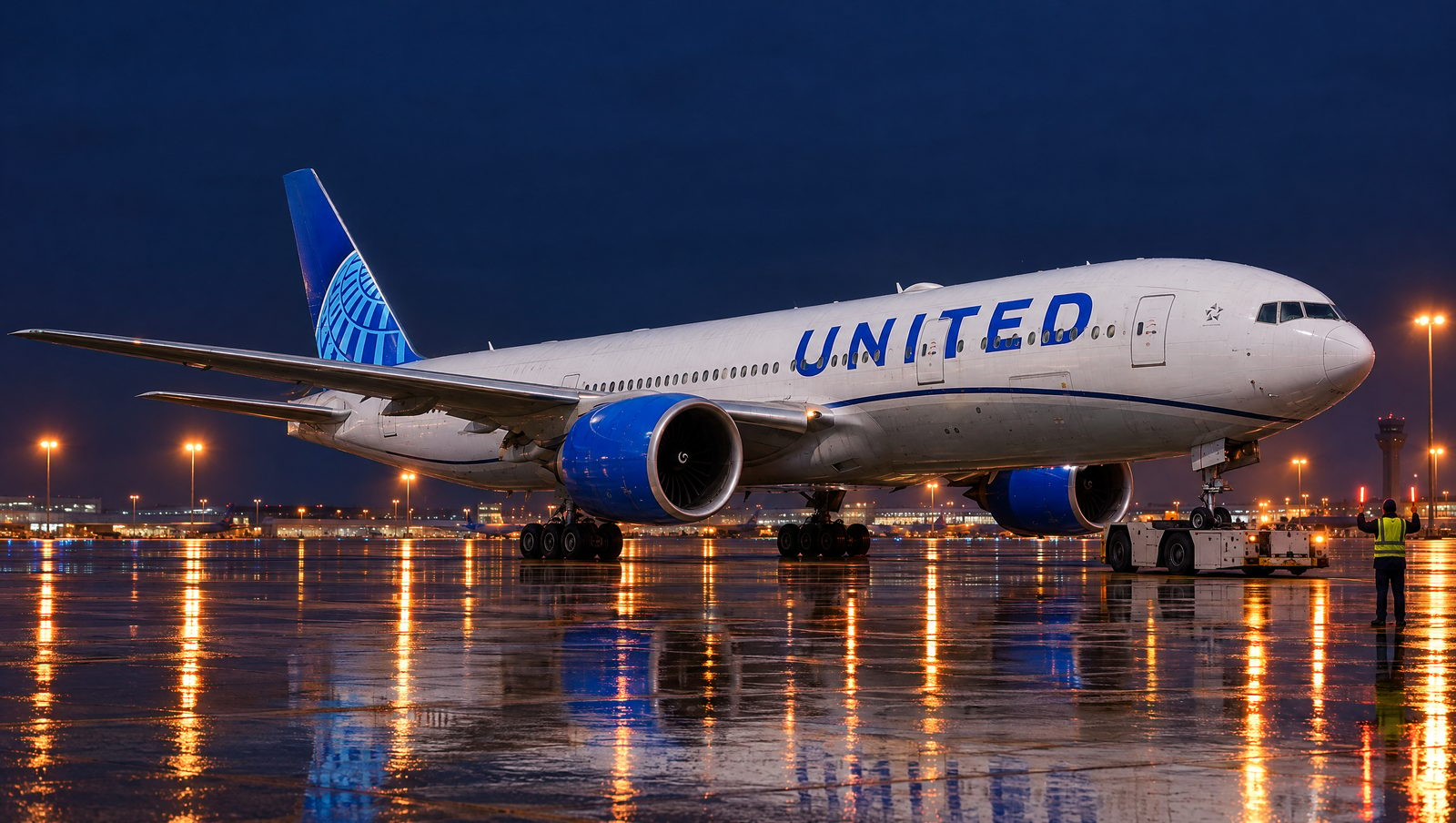
United received approval earlier this year for its own US$100 million investment in Azul and now holds about 9% of the Brazilian airline, O Globo reported.
A codeshare could follow
Unlike United, which already had a codeshare agreement with Azul, American did not have one. According to Valor, the rapporteur said the transaction opens up that possibility. The relationship between the two airlines could be expanded on the commercial side through an alliance agreement, codesharing and reciprocity between their loyalty programmes.
For Azul, the investment brings fresh capital after its restructuring, while American gains a board seat at one of Brazil's largest airlines. The next step is the formal publication of CADE's decision and the Merger Control Agreement, which will set the terms for how the two airlines can work together.



Comments
Loading comments…